

The AD & Biogas Industry Awards, hosted by the Anaerobic Digestion & Biogas Association (ADBA), were held on July 4 in the Concourse Suites at the NEC in Birmingham.
Agriverts AD plant in Cassington, Oxfordshire and the University of Southampton Science Park were amongst the winners. The high level of excellence in the Best AD Project category saw the judges so impressed that two projects were announced as winners.
Commenting on the awards Aidan Cumiskey, managing director of event sponsor Monsal said: The awards reflect the significant growth and maturing in the sector since the last ADBA show 12 months ago. Monsal are delighted to be sponsoring this sector event and are looking forward to a fantastic night.
The ceremony was hosted by Charles Secrett, noted for his role as executive director of Friends of the Earth which he held for ten years between 1993 and 2003. He now holds a range of positions including senior associate at the University of Cambridge programme for sustainability leadership and as co-founder of The Robertsbridge Group.
Judges
The judging panel consisted of: Gwyn Jones, former vice president of the National Farmers Union; Jeremy Jacobs, managing director of the Association for Organics Recycling; Claire Henson, special advisor at the Waste and Resources Action Programme (WRAP); Julia Barrett, consultant at JB Barrett Consulting; and, Richard Nuttall, bank manager at Clydesdale Bank. Matt Hindle, policy manager at ADBA, held the position of non-voting chair.
Commenting on the entries Ms Barrett said: In my experience working with local authorities, the highlighting and sharing of best practice can be really helpful when it comes to convincing stakeholders of the benefits of introducing new technologies, such as AD, as part of a councils waste management service.
The winners are:
Best Integration of AD into a Food and Drink Business
Winner: Insource Energy and RF Brookes Ready Meal Facilities, Rogerstone
Insource Energy developed a fully operational on-site AD plant for RF Brooks a leading supplier to Marks & Spencer – which can handle up to 22,000 tonnes of waste every year. Contaminated plastics that come out of the process, which were previously sent to landfill, are now washed and recycled.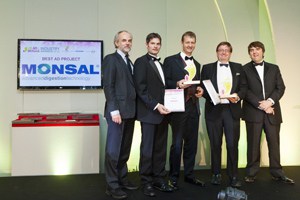
Best Local Authority
Winner: Newcastle-under-Lyme borough council
In 2008 the council introduced a weekly food waste collection service, and working in partnership with Lower Reule Bioenergy it was processed the Lower Reule Farm AD plant in Gnossal. The council also engaged with residents and rolled-out a full recycling education service to 60 schools in the borough.
Innovation in Waste Collection
Winner: Agri Energy, National Used Cooking Oil Collection Business
Agri developed a bespoke food waste collection vehicle to meet the needs of its customers and the AD plants they operate from. The service allows the catering industry to be linked directly to local AD facilities to ensure maximum carbon savings.
Best Integration of AD into a Farming Business sponsored by Vogelsang
Winner: Fre-Energy Ltd
The firms core farming business is organic milk production. The firm built an AD plant with a specialised de-gritting process meaning it was able to handle cow-slurry from cows which were bedded down on ash, which conventional plants could not. Since then it has seen a significant improvement in grass growth.
Innovation in Biomethane
Winner: Chesterfield Biogas Ltds Gas-To-Grid Project
In autumn 2010 the firm installed the UKs first biogas upgrade gas-to-grid project commissioned by Centrica, Scotia Gas Networks and Thames Water to process the natural gas produced by the waste water from Didcot sewage works. This provided heat and power to 200 Oxfordshire homes.
Best Community Involvement
Winner: Cassington AD Plant, Agrivert
Agrivert fully engaged with the community throughout the development of the AD plant from planning to operation. Presentations were also given to local parish councils and also took some members of the community to visit a German biogas plant. The community was also invited to the official opening and the first spread of digestate to land.
Most Innovative Product or Process sponsored by Imtech
Winners: Front-End Autoclave Technology, Aerothermal Group Ltd
The Aerothermal Advanced AD process uses front-end autoclave technology to increase the generation of biogas from the organic fraction of waste materials, whilst improving the overall resource efficiency and reducing the carbon footprint.
Innovation in Digestate
Winners: Aerocover
Aerocover was developed following extensive reaserch by Biotech and aims to cover odour problems at their source. It is a low cost polymer coated floating cover. It is a specially selected micro porous substrate which is coated with three polymers to prevent the release of ammonia and other elements which cause odours.
Best Micro AD Project (<250 kWh)
Winners: University of Southampton Science Park, SEaB Energy Ltd
The Science Park entered into an electricity service company relationship with SEaB to deploy the Muckbuster SEaB MB400, an onsite containerised anaerobic digestion solution. The machine produces an average of 46 cubic metres of biomethane a day and helps to reduce waste disposal costs.
Best AD Project sponsored by Monsal
Winners: Cardiff and Afan Advance Digestion Plant, Imtech;
and, Rothwell Lodge Farm AD Plant, Fernbrook Bio
Cardiff and Afan AD was a 68 million programme delivered on a collaborative basis between Welsh Water, Imtech and Morgan Sindall to achieve a power self-sufficient waste water service and generate renewable electricity. The project commissioned six months early.
Rothwell Lodge became operational in October 2010 and is now processing 30,000 tonnes of waste every year. Site operations have been carefully considered with regular plant and machinery checks taking place and a health and safety visit to site every six weeks. The plant also engaged with the local community and is working closely with a university to enhance the biology of digesters.


Register for free to comment