

The move has been brought about as part of efforts to ‘modernise’ waste services in the city, and to increase recycling rates, which have been static at close to 35%.
Councillors approved the move at a meeting in November, opting for the alternate weekly collection method rather than replacing existing 240 litre residual waste bins with smaller 12 litre containers (see letsrecycle.com story).
Most of the city’s 117,000 households had previously had access fortnightly mixed recycling collections and weekly brown bin refuse collections. Under the new service residents will continue to receive a fortnightly green bin commingled recycling collection service for glass, cans, plastic bottles and tubs, paper and card, alongside a fortnightly brown bin collection.
Residents also have access to a garden waste service – which is collected using reusable plastic bags.
‘Big change’
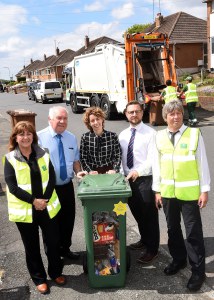
Commenting on the changes, Councillor Mike Leaves, cabinet member for street scene and the environment for Plymouth city council, said: “We know this is quite a big change for local people but most other areas of the country – around 75% of councils – have already successfully introduced this type of collection and increased recycling rates.
“We want to make Plymouth a cleaner, greener city and we need everyone in the city to do their bit to help make this happen.”
Lou Hayward, the council’s assistant director for street services, said: “Our staff have worked really hard to get these changes off the ground and we want to make it as easy as possible for local people to recycle and dispose of their waste correctly.”
She added: “We will be giving the changes a chance to bed in and we appreciate it will take people a while to get used to the new system. To ensure that everyone in the city is helping us to become greener, but where necessary, we will consider taking enforcement action once the new arrangements have been in place for a few weeks.”
According to documents published by the council ahead of the switch, Plymouth’s waste and street services currently cost £5,390,568 per annum, and the implementation will require an initial investment of £499,335 in year one. However, the transformation of services is expected to generate savings of around £750,000.
The council recently sent letters out to residents across the city about the changes, along with a leaflet about recycling. An ongoing awareness campaign was launched last month including roadshow events, advertising around the city and via web, social media and press.


Register for free to comment