

Jeremy Jacobs, technical director of the ORG – part of the Renewable Energy Association (REA) – said that the “biggest culprit” of contamination in organic waste and feedstock for compost was plastic bags, and urged councils to help improve the quality of organic waste it collects from households.
In some circumstances, the ORG says, “unacceptable” levels of contamination within organic waste feedstock have led to compost failing to meet the PAS 100 specification.
Mr Jacob’s comments came during a workshop with council recycling officers on ‘Keeping green waste green, and costs down’ at the Local Authority Recycling and Advisory Committee (LARAC) conference in Nottingham yesterday (October 17).
Plastic material in particular, Mr Jacobs explained, can affect shredding machinery as well as having adverse environmental impacts if spread to land in compost: “Too often when you go to a composting site you see huge amounts of plastic, and when it goes to a composter it gets shredded into a thousand pieces.”
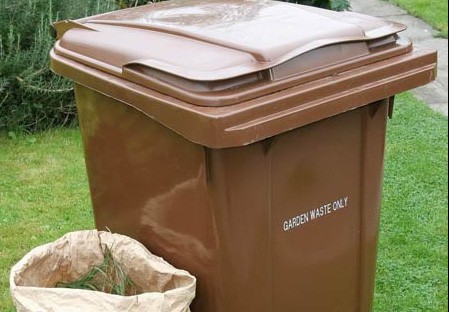
Householders, he said, sometimes put their garden waste into plastic bags before placing them into their garden waste containers, and said that organic waste collected at household waste and recycling centres (HWRCs) was often of better quality.
Reject
He added that the level of contamination could be worse during the winter months when there is less green or garden waste material around, and urged councils and recyclers to be more prepared to reject loads of organic waste feedstock that do not meet the required quality standard.
According to Mr Jacobs, the increase in contamination is due to a number of reasons, such as declining funding for council communications and the cost of policing the input of correct material into garden waste collection containers.
He told delegates during the workshop: “The level of contamination can be absolutely shocking. My plea to you is what can you do that is financially sustainable to get this out of the waste stream?”
[testimonial id = “57” align=”right”]
But he also said that “we, as an industry, are part of the problem”, explaining that “too often composters accept material into their sites rather than reject it”, partly due to a fear of losing contracts.
Position statement
In order to tackle the problem, the ORG has drawn up a draft ‘Position statement on maximum contaminant levels in biowastes specifications for composting’ which was made available to delegates at the LARAC conference.
The draft statement specifies what the maximum acceptance levels for physical contaminants – such as plastic and glass – should be in collected source-segregated garden waste and commingled food and garden waste.
According to the ORG, the specified contamination acceptance levels by weight should be used by local authorities, composters and procurement bodies when drawing up or revising organic waste contracts in order to enforce better quality of feedstock.
It also includes advice to local authorities and composters on ensuring a good working relationship between suppliers and contractor and recommends that local authorities appoint a ‘direct liaison officer’ to deal with waste contamination as part of all contracts.
The document states: “The inconsistency and inadequacy of input material specifications used in contracts and tenders has led to far too much poor quality feedstock being accepted and treated at biowaste management facilities. In addition, composters feel compelled to accept any loads from waste suppliers at no additional cost, which has created an uneven playing field and unfair competition between operators.”

Register for free to comment