


Plastic recycling and reprocessing companies have hit out at Dairy UK over the dairy industry trade bodys call for the plastics recycling sector to step up its production of recycled HDPE.
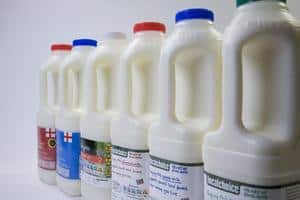
The trade association said this week (May 10) that the recycling industry needed to to up its game in order to help meet the dairy sectors demand for increased recycled content in plastic milk bottles (see letsrecycle.com story).
However, the comments have drawn the ire of the plastics recycling sector, which has stressed that the production of recycled HDPE (rHDPE) is a capital intensive process, with few companies competing in a tough market.
Speaking to letsrecycle.com, Chris Dow, managing director of Closed Loop Recycling, which produces rHDPE, said: The area where Dairy UK should be focusing their comments and energy is on government policy and assisting the recycling industry in lobbying for the tightening and enforcement on the export of this valuable resource.
We have 80,000 tonnes of milk bottles collected and still nearly 60,000 tonnes are put on a ship to export.
He added that, while milk bottle recycling was a real success story, the onus should be on preventing HDPE feedstock from being exported rather than chastising the plastics recycling industry for not meeting demand.
Recyclers are fighting hard to demonstrate to government that the export of this valuable resource is costing British Industry, including the dairy sector, many jobs and ultimately lower carbon footprint packaging for the British consumer, he said.
Awareness
Echoing Mr Dows sentiments, a sales and purchasing manager at a leading plastics recycling firm, who wished to remain anonymous, said that the Dairy UK comments showed a lack of awareness about the state of domestic rHDPE flake production.
He said: Our concern with reading that sort of thing is the market for rHDPE is comprised of three to four major players, major companies who can make value out of the material, which is much different from the rPET [recycled PET] market where we have got a range of guys doing it.
The reason the rHDPE market is where it is comes down to price. We have had meetings where we have shown the facts and figures and, basically, the high cost involved in the processing to create rHDPE. It is a cost intensive process and it is hard to make a margin on.
Food-grade plastic – both rHDPE and rPET – has become an area of increased interest for the plastics recycling sector as retailers seek to respond to consumer demand for greater levels of recycled content in packaging.
However, despite an apparent willingness on behalf of the sector, the availability of quality feedstock and the cost of the labour-intensive production process have proved barriers to plastics recycling firms adopting the process.

Register for free to comment