

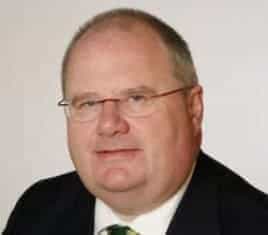
The fund, which was announced by Mr Pickles last night (September 29), is earmarked for launch in April 2012 and will be available to local authorities which guarantee to return to, or retain, weekly waste collections for at least five years.
Councils will have to demonstrate the potential for the change to also boost recycling rates and provide other environmental benefits, such as reducing flytipping or litter. The fund, to be administered by the Department for communities and local government, is expected to be called the Weekly Collections Support Scheme.
Announcing the plans last night, Mr Pickles said: Weekly rubbish collections are the most visible of all frontline services and I believe every household in England has a basic right to have their rubbish collected every week.
Our fund will help councils deliver weekly collections and in the process make it easier for families to go green and improve the local environment.”
Ministers believe more frequent collections are likely to discourage fly-tipping and littering as well as reducing problems with vermin and pests.
Councils will be able to bid individually or collectively for support from the new fund, with private sector involvement allowed where it increases value for money. Money will be available as a mix of revenue and capital funding.
Mr Pickles has said the money will be met from existing budgets at the Department for communities and local government, by “cutting waste” in other areas of the department’s work. If 250 million were allocated equally between each of England’s 354 waste collection authorities, each would receive 700,000.
Major coup
Mr Pickles announcement comes just 48 hours before the beginning of the Conservative Partys annual conference in Manchester on Sunday (September 30) and represents a major coup for the secretary of state, who has long espoused the benefits of weekly waste collections.
Financial support for weekly waste collections had been expected in the June 2011 Waste Review, with up to 100 million reported to be earmarked for a fund. But, the final document only stated the governments preference for weekly collections of smelly waste.
This was interpreted as a last-minute U-turn by sections of the national media, with reports of disputes between Mr Pickles and environment secretary Caroline Spelman over the approach to take to the issue (see letsrecycle.com story).
Talking about the fund on the BBC’s Today programme this morning, Mr Pickles said moving to weekly collections was “not what I would prefer, it’s what the population would prefer”.
“If you want to have a weekly collection we have levelled the playing field for you to do so but are only going to fund it if we can see an improvement in recycling, an improvement in efficiency and an improvement in procurements and that seems to me to be good value-for-money.”
Focus
While DCLG is yet to confirm what type of weekly collections will be eligible for funding, Mr Pickles has given strong indications this morning that the support will at least largely focus on residual waste.
In particular, he cited the benefits of using mechanical biological treatment to extract recyclables from ‘black bag’ material, and said the money could be used to help councils with weekly collections to invest in using this type of technology. He also alluded to weekly waste collection being ‘the norm’ for the past century.
When asked whether the fund would cover collections other than residual waste, a spokesman for DCLG there were no further details of the initiative at present but more would be revealed ‘in due course’.
Mr Pickles stressedthatmore regular collections should not damage recycling rates, commentingthat the idea that householders have to chose between environmentally responsible or weekly collections is a “false dilemma. Or, in other words, a load of old rubbish”.
Alongside MBT, he said recycling incentive schemes such asRecycleBank would help to ensure high recycling levels, while “better” procurement and contracts would help to free up money for weekly collections.
Spelman
Further comment on the plans came this morning from environment secretary Caroline Spelman, who said: “Hard pressed families across the country pay their council taxes and local authorities should be looking to deliver the kinds of frontline services that they want.
“This new fund will help councils whose residents want their rubbish collected more frequently to reinstate weekly bin rounds for smelly waste, while also seeking new and innovative ways to increase recycling and look after the environment


Register for free to comment