

The provisional data for the three months, April-June 2023, was published in a report by the Department of Agriculture, Environment and Rural Affairs (Daera) on 26 October.
The data shows that Northern Ireland’s councils collected 267,107 tonnes of waste in this period, an increase when compared to the 263,355 tonnes collected in April to June 2022.It outlined that the factors affecting the overall volumes included individual household behaviours, the advice and collection services provided by councils, the state of the economy and weather conditions.
Daera highlighted that the council-collected waste sent to landfill amounted to 20.2% which was 2.3% lower than the landfill rate of the previous year. It also noted that, in July to September 2006, this rate was at 71.8%.
Other methods of treatment included energy recovery, which almost a quarter (24.6%) of waste arisings was sent for, the report noted. This represents an increase from the 23.1% reported in April-June 2022. From a more long-term perspective, the report pointed out that in July to September 2009, the recorded energy recovery rates were 0.1%.
Household waste
Household waste accounted for 87.6% of all local authority-collected waste during this period. The remaining 12.4% was non-household waste such as rubble or soil and commercial or industrial waste.
The recycling rate for household waste was 53.8% in April to June 2023, “the same as the rate” recorded during the same quarter of 2022, the report said.
The document stated that since 2006/07, household waste has accounted for between 86 and 90% of total waste collected by councils each quarter, with the exception of April to June 2020, “when Covid-19 restrictions resulted in a larger than normal proportion of household waste being collected.”
Arisings
According to the statistics, 9 councils in Northern Ireland reported an increase in total arisings in April to June 2023 compared to the same period in 2022.
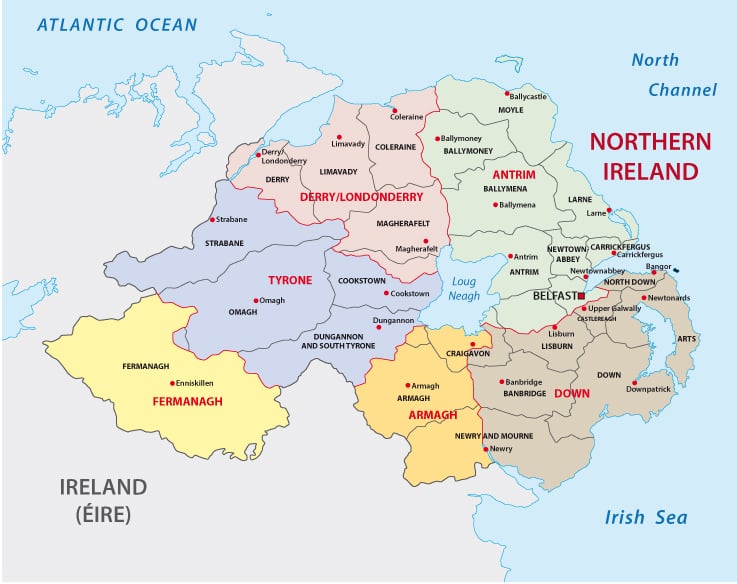
In April to June 2023, Armagh City, Banbridge & Craigavon saw the most significant rise in total waste generation compared to the same period in 2022, increasing by 4.6 percent. This increase was primarily driven by a substantial growth in waste collected at civic amenity sites. In contrast, Ards & North Down reported the most substantial decrease during the same period, with a 5.7 percent reduction compared to April to June 2022
And the total quantity of waste collected at the kerbside and civic amenity sites also fell by 12.4% and 7,4% respectively in comparison to the previous year, the report said.
To find out more please visit the Collection Conference, taking place on 15 November, to book your ticket please click here.

Register for free to comment