

North East Lincolnshire council previously floated switching from weekly kerbside sort to fortnightly commingled rounds as a solution to achieving a minimum cost saving of £1 million across its waste services from April.
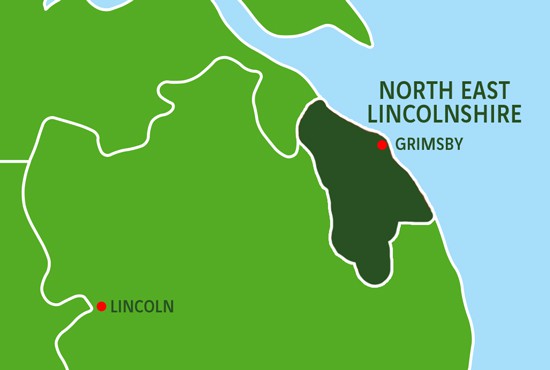
The council currently has collection costs totalling an estimated £4 million per year, with an additional £5.5 million spent on disposal costs under its contract with NEWLINCS Development Ltd – which runs until 2029.
The council previously received £3.6 million from the Department for Communities and Local Government in 2012 to improve recycling services, which allowed it to introduce collections of plastic bottles and card on the basis that it retain weekly collections of residual waste.
The waste budgets are therefore supported by the £800,000 per year recycling grant, resulting in a revenue pressure when weekly collections are maintained beyond December 2016.
The council had considered introducing an alternate weekly commingled collections with a 240-litre wheeled bin and separate box for glass. Presently, some 72,000 households in the district have three 35-litre boxes for paper and card, cans and plastics, and glass.
Deferred
But in the ‘Making Waste Pay’ report – which is to be presented to a meeting of the Regeneration Environment and Housing scrutiny panel tomorrow (19 Janaury) – council officers have recommended putting the option on hold.
This is because the plan would require a 15-month lead time for the procurement of ‘specialist’ collection vehicles, with additional revenue budgets required due to a loss of around £800,000 in recyclate income and additional gate fees for transporting and sorting waste.
In addition, capital funding of £3.6 million would also be needed to deliver the option which includes purchasing new wheeled bins.
A second option could have seen North East Lincolnshire reduce collections of residual waste from weekly to fortnightly has also been deferred until at least November 2017 – due to grant conditions imposed by DCLG.
The report claims that despite the government support, the borough’s performance on recycling and the income it generates, has not seen the step change required.
In 2014/15 the council achieved a recycling rate of 31.9% – a decrease of nearly 2% since 2012/13 when the grant money to retain weekly collections and boost recycling was received.
It adds: “Although there has been some improvement following changes implemented in 2013, our current trend suggests that we will not achieve the EU Target of 50% recycling by 2020 unless we take a more radical approach.”
Green waste
The council has now put forward short-term proposals to meet the budget gap, which include using any surplus income generated via the £30-per-year garden waste subscription service – a charge the authority felt forced to revisit last year (see letsrecycle.com story).
The one-off income from NEWLINCS could also be utilised to ensure the savings target is met while ‘further in-house and alternative recommissioning options are explored and developed to be delivered in 2017/18 and beyond’.

Register for free to comment