


However, it’s been claimed that the increase in fly-tipping incidents is not linked to the policy.

In April 2018, the council introduced a ‘DIY waste’ charge of £3 per 80 litre bag of rubble and timber, £5 for flat glass or general waste, £9-£15 for plasterboard, and £4 per tyre.
According to the statistics, in the first six months since the new charges came into effect – from April 1 to September 30 – there were 4,604 reported fly-tipping incidents, which is 157 or 3.5% higher than for the same period the previous year.This however was lower that the figure achieved in the 2015/16 financial year.
Trends
The report added that fly-tipping trends locally are “in line with national trends”, and said it is not seeing a change caused by its charging policy. The number of incidents involving DIY-type construction and demolition waste have not increased, the figures show.
A spokesman for the Norfolk Waste Partnership said: “Norfolk follows national trends on the crime of fly-tipping, but as a county we continue to see a rise below that experienced nationally. As more than 80% of fly-tips are items which could have been taken to a recycling centre for free, we’d urge everyone to have a look at what they can take along to their local recycling centre and to carry out a few simple checks before giving their waste to anyone to dispose of.”
Norfolk is of a number of councils to have introduced charges at HWRCs in a bid to cut costs, with more coming into effect from today as the 2019/20 financial year begins.
Bucks
In Buckinghamshire, the council approved proposals earlier this year to close two of the county’s ten centres, and also introduce a fee for certain materials, as part of plans to save around £1.2 million in costs per year (see letsrecycle.com story).
The charges mean that from today residents will have to pay £2.50 per 25l bag for hardcore and soil, wood items, and some bathroom items.
Charges for tyres, asbestos and plasterboard have also been introduced.
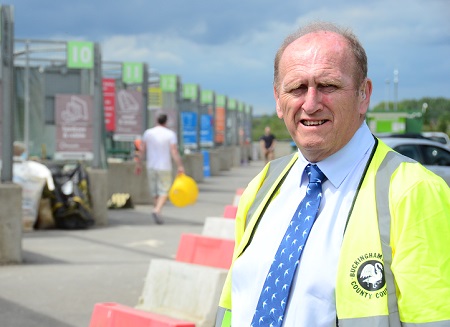
Meanwhile, Kent county council is introducing charges despite some resistance to the policy locally (see letsrecycle.com story).
Last month, Spelthorne council in Surrey found a correlation between an increase in reported fly-tips since charges were brought in for residents in 2016. A report by the council said that while there is no evidence to suggest the changes in 2016 have had a direct impact, it is “reasonable to say it is possible” (see letsrecycle.com story).
The issue of charges at HWRCs is also the focus of the letsrecycle.com poll, which you can vote on here.


We should remember that nothing justifies flytipping, it is an illegal activity which defaces our countryside. If fuel on the forecourts goes up we do not justify people driving off without paying, accordingly we should never seek to justify flytipping.
Regrettably fly-tipping in many areas continues to increase irrespective of charges, and a co-ordinated approach is very much needed to tackle this. The SCRAPFLYTIPPING campaign is an excellent example of this and one which needs to be built on and supported to become a clear and visible national campaign.