

Data shows ‘effectiveness’ of single-use carrier bag charge
Figures published by Defra today (31 July) have “showcased the success of the single-use carrier bag charge in curbing plastic bag usage”.
The data shows that the main retailers reported selling 133 million single-use carrier bags in 2022/23, marking a 33% decrease from the previous year’s 197 million and a vast contrast from the 7.6 billion used in 2014.

Since its introduction in 2015, the 5p charge in supermarkets has led to a remarkable decline of over 98% in bag usage at major retailers, including Asda, Marks and Spencer, Morrisons, Sainsbury’s, The Co-operative Group, Tesco, and Waitrose.
In England, the average individual now purchases only two single-use carrier bags each year from these retailers, a drastic reduction from approximately 140 bags in 2014 before the charge was implemented.
In 2021, the charge was raised to 10p and extended to encompass all businesses, leading to a further reduction in bag usage by more than 35% from 627 million in 2019/20 to 406 million in 2022/23.
Besides its environmental impact, the carrier bag charge has generated substantial funds for good causes, with retailers voluntarily donating over £206 million since its inception. These donations have supported education, arts, heritage, sports, environment, health, and charitable or volunteering sectors.
Environment minister Rebecca Pow said: “Our charge has helped to stop billions of single-use carrier bags littering our neighbourhoods or heading to landfill while ensuring millions of pounds go to good causes.
“We are determined to do more to tackle plastic pollution at source, with further bans on single-use products starting in October and our deposit return scheme will cut litter and drive up recycling rates. We continue to encourage all relevant retailers to play their part in further reducing the use of single-use carrier bags.”
Permit granted for bulking facility in Abermule
Powys county council has received an environmental permit from Natural Resources Wales (NRW) to operate a bulking facility for non-hazardous waste in Abermule.

NRW granted the permit today after “conducting a thorough evaluation of the application and confirming its compliance with regulatory standards”.
The permit allows the site to receive and process up to 22,500 tonnes of non-hazardous waste annually, with a maximum storage limit of 425 tonnes at any given time.
NRW’s determination process involved a comprehensive technical assessment, along with two public consultations and multiple requests to the applicant for additional information.
With the permit in place, Powys county council can now proceed with operating the facility, contributing to proper waste management in the region and ensuring compliance with environmental regulations.
Ann Weedy, Mid Wales operations manager said: “We are confident that the proposals in the application meet the necessary standards to operate the site without damaging the local environment.”
Watford visits Tower Hamlets to learn about underground systems
Watford borough council’s waste and recycling team visited Tower Hamlets last week “to gain insights into waste management practices for tall buildings”.
Tower Hamlets, known for its high percentage of flats, mostly social housing, and a diverse community, faces recycling challenges with a low rate of 16%.
The visit focused on exploring Tower Hamlets’ Underground Refuse Systems (URS), utilised since 2013. URS serves as an alternative to large communal bins for waste collection in new tall building developments.
During the visit, Tower Hamlets’ waste managers provided candid feedback on URS, acknowledging its appeal but also highlighting drawbacks. While the system offers space-saving advantages, its installation, maintenance, and servicing costs are significant for both developers and the council.
Additionally, specialised vehicles for collection experience breakdowns and delays, making it financially and operationally burdensome. URS can also attract fly-tipping and hinder effective waste separation and recycling.
The team highlighted that the “experience of exchanging information with another council offered practical insights beyond the reports on this alternative waste collection method for tall buildings”.
Hillingdon expands food waste recycling service to all flats
After a successful trial involving 162 households and the collection of 10,000kg of food waste at six developments in the borough, the council has decided to extend its food waste recycling service.
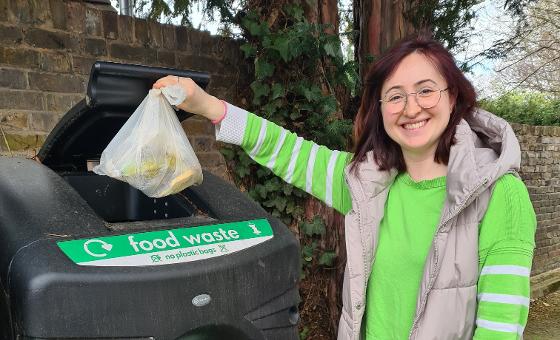
Special pedal-operated food waste recycling units will be installed in communal bin areas across all council-owned blocks of flats.
Over the course of two years, 600 new units will be set up and residents at the developments will automatically receive the new service, and the council will notify households through letters about food waste collection schedules. Additionally, a leaflet will be distributed explaining how to use the service.
Upon delivery of the food waste unit, recycling officers will provide each household with a food-waste recycling kit, including an indoor kitchen caddy and caddy liners.
Cllr Eddie Lavery, Hillingdon council’s cabinet member for residents’ services, said: “We’re delighted that more homes across the borough will be able to access this vital recycling service as part of our commitment to becoming a greener, more sustainable and carbon neutral borough”
Greater Manchester advocates for vape ban
Greater Manchester has joined forces with the Local Government Association (LGA) in advocating for a ban on disposable vapes.
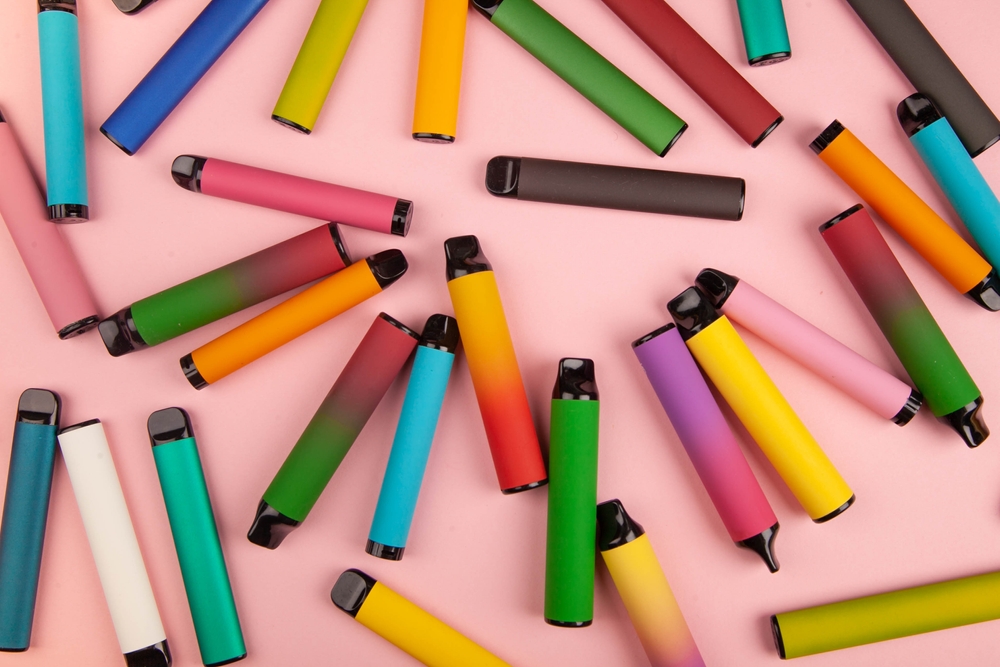
The primary concern cited by the region is the fire risk posed by these devices when they end up in the waste stream.
As the largest joint waste disposal authority in the country, Greater Manchester deals with approximately 1.1 million tonnes of municipal waste annually. To express their support for the ban, Alan Quinn, chair of the GMCA’s waste and recycling committee, addressed a letter to Therese Coffey, the secretary of state for environment, food, and rural Affairs.
The move to ban disposable vapes aims to address safety concerns and mitigate potential fire hazards associated with improper disposal of these devices. By supporting the LGA’s call (see letsrecycle.com story), Greater Manchester seeks to reinforce responsible waste management practices and promote environmental safety within the region.
Councillor Quinn said: “Whilst there may be health benefits associated with vapes, the increase in uptake and use is having a major impact on waste management operations from, often irresponsibly, discarded vapes.”

Register for free to comment