


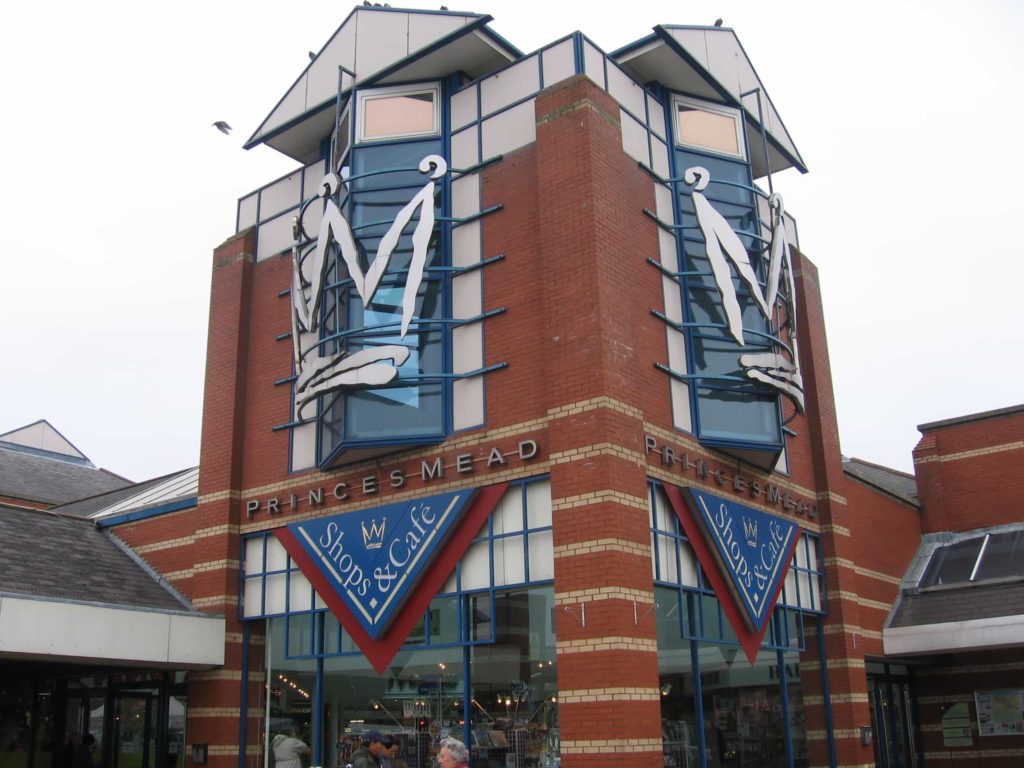
Hampshire shopping centre triples recycling rate
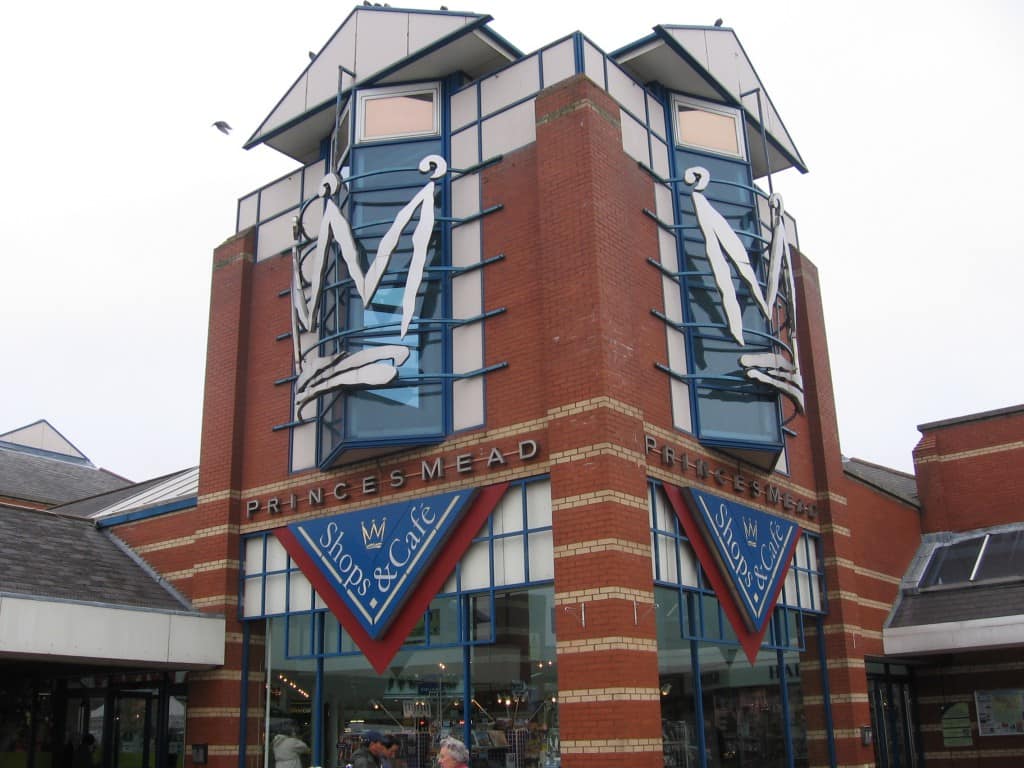
Working in partnership with recycling and waste management firm SAICA Natur, a division of SAICA, the Princes Mead Shopping Centre in Farnborough saw its recycling rate rise from 25% in October 2012 to 75% by the end of July this year.
The company recommended a raft of measures including a small baler for the polythene and paper to create two new revenue streams, and implementing a dry mixed recycling service.
David Pickett, centre director of Princes Mead Shopping Centre said: What really triggered change was the introduction of a waste management tool and training process that showed our retailers exactly what they needed to do and helped them to understand the process fully.
SAICA Natur is set to appear at this years RWM exhibition at the Birmingham NEC.
North Hertfordshire to remove recycling banks
Household recycling banks are to be removed from 21 locations across North Hertfordshire, the district council (NHDC) has announced.
The facilities, which will take their last public donations on August 12, will be removed from public recycling points at supermarkets, car parks and recreation grounds in the wake of a new household kerbside recycling service for textiles, cartons and plastics.
The councils larger household waste recycling centres will remain open, as will supermarkets own facilities for recycling plastic carrier bags and charity recycling banks for shoes, clothing and books.
Councillorr Peter Burt, NHDC portfolio holder for waste, recycling and environment said: Removing NHDCs public recycling banks will save tax payers money as we no longer need to employ contractors to empty them. This is because everything that has historically been recycled at the banks can now be recycled kerbside.
People in North Herts are already keen recyclers and now they can recycle even more right on their doorstep.
Pilot scheme recycles plastic fishing nets
A trial project to manufacture products from recycled polyethylene fishing gear has proven a success for Bord Iascaigh Mhara (BIM – Irish Sea Fisheries Board) and Liverpool-based plastics recycler Centriforce Products.
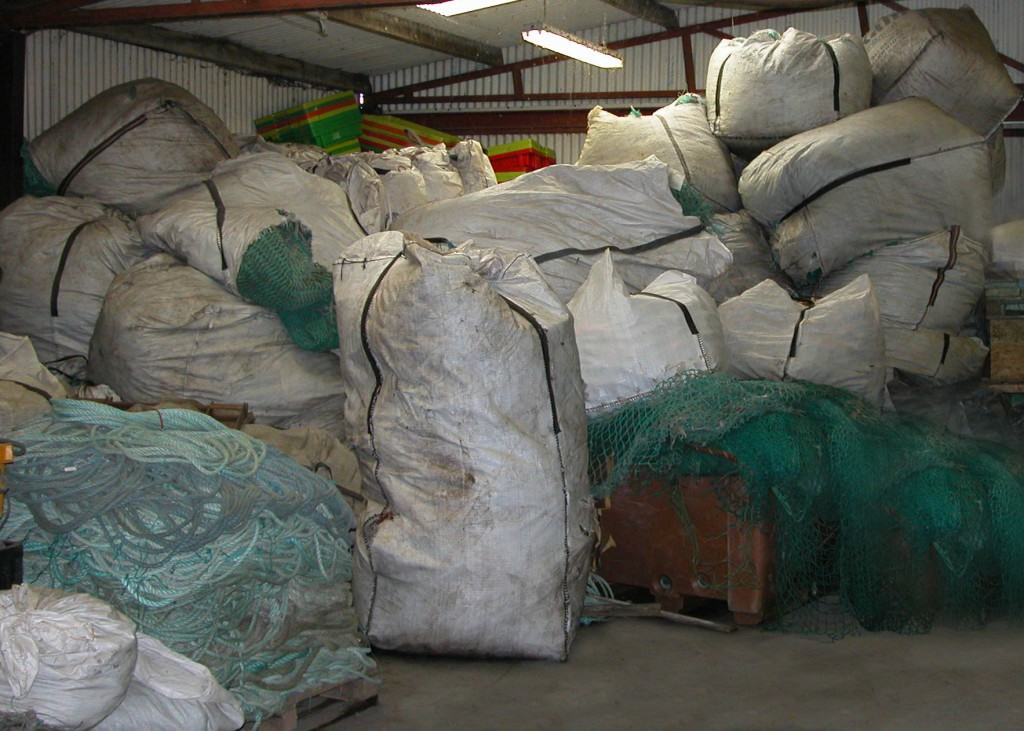
According to the Board, the material takes hundreds of years to biodegrade and it has been seeking ways of preventing it going to landfill or damaging wildlife if abandoned at sea.
In liaison with Green Marine Recycling and GEOLINE, the Board worked with Centriforce to develop the pilot scheme, which sees hundreds of tonnes of recycled nets collected from Irish ports to be stored and extruded into pellets.
Simon Carroll, managing director of Centriforce Products said: We were delighted to work with BIM to find a technical solution to recycling polyethylene waste from the Irish fishing industry.
Working together with BIM, we have successfully demonstrated a means of closing the loop on a serious issue for the marine environment. We are continuing to examine ways of taking the project further and looking at other potential products that can be manufactured from the recycled material.
Biffa MRF hosts BBC health show
Waste management firm Biffa has provided a filming venue for BBC Ones Long Live Britain an attempt to break the UK record for biggest ever health screening.

Biffas materials recovery facility (MRF) at Edmonton was the location for a demonstration on how the liver filters wastes and toxins from the body.
The two-part series and one-off televised event aims to challenge the way we look at Britains three biggest preventable illnesses cardiovascular disease, liver disease and type 2 diabetes, which kill an combined total of 200,000 people each year.
Biffas Fran Tansley said: Were glad that Biffa could lend its support to raising awareness of these preventable diseases, and it was an honour for Biffa to be involved in such an important campaign for the nations health.
It is not the first time Biffa has been on television recently, after chief executive Ian Wakelin appeared on Channel 4s Undercover Boss last week (see letsrecycle.com story).
Warwickshire confident of recycling success
Warwickshire county council has congratulated its residents and partners for helping reduce the amount of waste sent to landfill in the area.
The council, which is predicted to achieve 52.2% as its total composting and recycling rate this year, has worked to meet targets set by the Warwickshire Waste Strategy launched in 2005.
The strategy was a result of the countys relatively low performance in 2004, when just 21% of waste was diverted from landfill.
According to Defra statistics, Warwickshire previously managed to send 48.6% of household waste for reuse, recycling or composting in 2011/12.

Register for free to comment