


Slicker Recycling acquires Oil Monster
Slicker Recycling, which says it collects and recycles over 75 million litres of used oil and commercial garage waste every year, has acquired fellow industry specialist, Oil Monster.
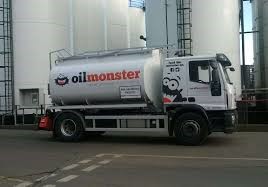
Chester-based Oil Monster employs a team of 13 people and operates a fleet of 10 trucks which collects waste oil throughout the UK.
As part of the deal, the business, which Slicker Recycling has acquired from Cleansing Service Group Limited, will retain its brand identity and be led by respected general manager, Lorna Roberts.
Mark Olpin, executive chairman of Slicker Recycling said: “Oil Monster is a business which is trusted by its large customer base and carries an exceptional reputation for its expertise in the collection of waste lubricating oil.
“The business has an environmental vision which closely mirrors our own, so we see this as the perfect fit as we increase our UK market share. Not only is it an acquisition which delivers growth, but it allows us to support Oil Monster’s customers with their own carbon cutting and sustainability agenda, re-refining their waste oil back into base oil through our own re-refinery.
Reported rise in waste management absences
A report from the human resources platform PeopleHR has found that the waste management sector has seen sickness releated absences rise since the pandemic.

The report surveyed 2,000 businesses and found that the ‘water and waste management’ sectors have seen one of the biggest rises in sick leave across the UK in the last four years.
In total, the sectors experienced 135% more days lost in 2022 due to short and long-term illness when compared with 2021, and 271% since 2019. The sector combined saw companies average around 236 days lost to sickness.
Charles Butterworth, managing director at Access People HR, said: “Workers in waste management are often exposed to a number of chemicals, airborne dust and fumes which can cause long-term health problems such as asthma and chronic obstructive pulmonary disease.
“The growth of sick days in the sector could be as a result of COVID-19, as many employees in waste also work in the public sector. With more exposure to the public, people may feel that it’s more important to take time off for their health, with a focus on how the coronavirus can impact asthma sufferers.
“On the other hand, it may be that more people are experiencing more burnout and long-term sickness, as there’s been immense pressure on the waste management sector to protect the nation’s health to reduce air and water pollution.”
West Northamptonshire partners with fire service on battery warning
West Northamptonshire council has reminded residents of the importance of disposing of batteries safely after a series of fires in the area.
Household batteries that are being thrown away in rubbish and recycling bins have caused a number of incidents, including causing refuse collection vehicles to catch fire, the council said.
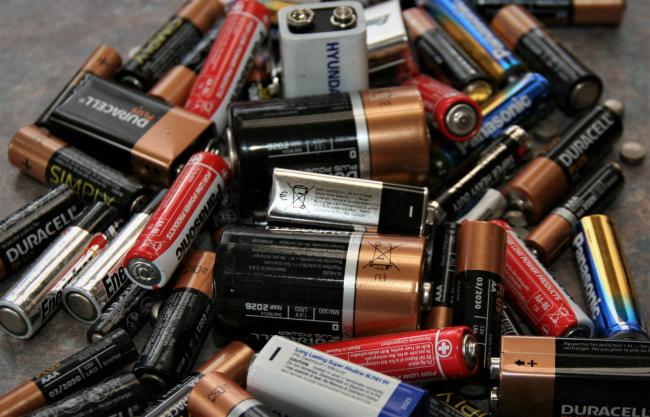
With the support of Northamptonshire Fire & Rescue Service, the council has issued a warning never to bin batteries in household waste.
“There is a serious risk of fires happening in both homes and HWRC if batteries aren’t disposed of properly,” the council explained.
Residents have been reminded of three simple tips: Never put batteries in wheeled bins, use the council’s separate kerbside service or take batteries to supermarkets, and remove all batteries before putting electricals out for collection.
Cllr Phil Larratt, cabinet member for environment, transport, highways and waste, said: “Battery fires can start just as easily in someone’s home as they can in one of our refuse trucks or at one of our waste and recycling centres.
“We want to ensure that all residents are aware of the risks of not disposing of batteries correctly and know where they can take batteries to be safely recycled. Please, let’s work together to avoid risk to life and prevent any future fires.”
Somerset crews work on Sunday due to staff shortages
Crews in Somerset worked on Sunday (14 May) to catch-up on outstanding recycling collections in villages and towns around Frome, Wells, Shepton Mallet and in parts of Bridgwater.
Collections happened one day later all week due to the coronation bank holiday, including collections that would usually be made on Friday due to happen on Saturday.
Staffing shortages being experienced by Somerset Council’s waste contractor, Suez, meant some collections had to be delayed for a further day.
Although crews are working hard to catch up, several areas were not reached on Saturday and recycling was therefore returned for on Sunday.

Register for free to comment