


Under the arrangement, the successful candidate will provide and operate a materials recycling facility (MRF) to receive, sort and transfer segregated materials for reprocessing.

Combined, the neighbouring authorities are expected to generate a combined 34,000 tonnes of mixed recyclables per year.
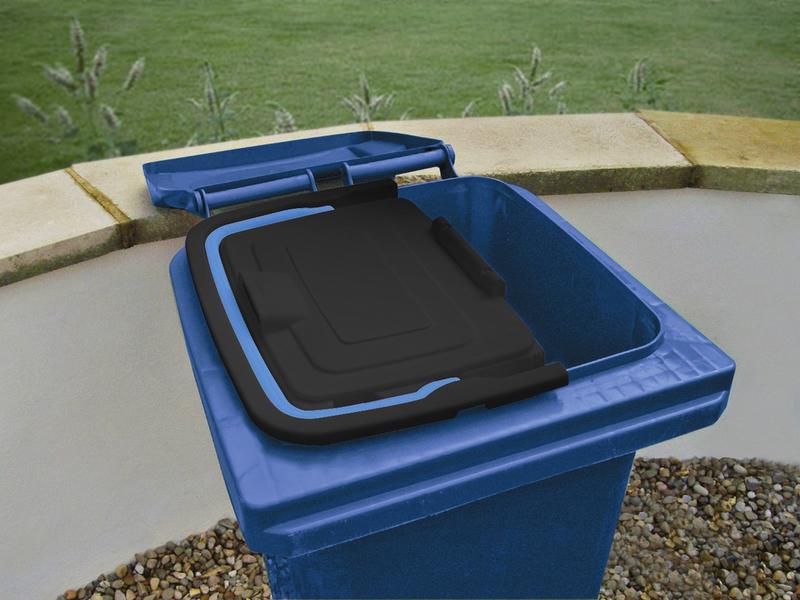
Presently, both Newcastle and North Tyneside operate their own fortnightly twin-stream recycling collections, with 240-litre bin for commingled materials and an inset caddy for glass.
Recyclables from the two councils are currently sent to O’Brien Waste Recycling Solutions’ MRF in Wallsend, Newcastle. The company has retained the contract since the service was first tendered in 2007.
Terms of the contract will see the MRF operator handle the waste for a minimum of three years, with an option to extend for two years. Bidders are asked to submit their interest by 12 May.
Cost-effective
Gearoid Henry, waste strategy officer for Newcastle city council, told letsrecycle.com that any tenders awarded by the authorities needed to be “cost-effective” given the climate of austerity.
He said: “Newcastle is trying to reiterate lots of communications. There are a lot of recyclables in the residual waste that we are trying to capture.”
Mr Henry added that the city was still on track to meet its target of 50% recycling by 2020, which will fall within the lifetime of the new MRF contract. Last year, the council achieved a combined recycling, composting and reuse rate of 40.8%.
Asked whether Newcastle could boost its recycling via separate food waste collections, Mr Henry added the council had “no plans” to introduce such a scheme.
He explained that the organic waste faction of waste is separated out from the residual waste, which is collected fortnightly, at Suez’s mechanical and biological treatment (MBT) plant in Byker.
North Tyneside
In North Tyneside, expected changes to residual waste collections could also have an impact on the forecast tonnages received via the recycling contract.
Unlike Newcastle, the council continues to operate a weekly refuse collection service under a £3.36 million grant fund awarded via the government’s Weekly Collection Support Scheme. The funding is due to run out in 2017 – requiring North Tyneside to find an additional £397,000 in the budget to maintain its weekly service.
In a report published by the council’s environment sub-committee in July last year, a number of options were proposed including a move to fortnightly collections, communal collection areas for flats, chargeable garden waste collections or changes to the frequency of recycling collections.
A task and finish group has been set up to consider the proposals.

Register for free to comment