


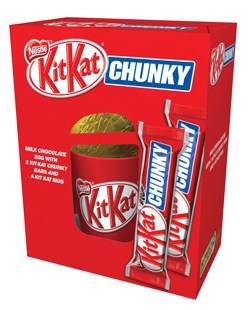
Nestl has replaced the 48 tonnes of rigid plastic used in its mug eggs with FSC approved cardboard, meaning its entire Easter collection is now recyclable. Compostable film is also being used for the windows resulting in a 30% reduction in packaging across the mug egg range.
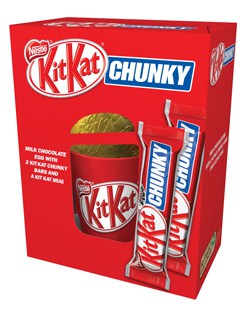
Until recently most of Nestls Easter range was 100% recyclable, including its Milky Bar, Aero and Smarties eggs, with the exception of those accompanied by mugs. The mug eggs have now followed suit with its Yorkie, Munchies and Kit Kat Easter eggs all using 100% recyclable packaging.
David Rennie, managing director of Nestl Confectionary UK & Ireland, said: Nestl carefully considers the environmental impact of packaging as an integral part of its product design. Since the early 1990s, we have been reducing the amount of packaging we use through our global source reduction programme eliminating unnecessary packaging and reducing weight while ensuring product quality.
Project
The removal of all plastic packaging from Nestl Easter egg range is the result of a six-year project that has saved 726 tonnes of plastic waste going to landfill each year.
Since the project started in 2006 Nestl said it had reduced the weight of its packaging for small and medium eggs by 30-50% and in 2009 it replaced non-recyclable plastic with recyclable cardboard across 80% of its range.
The reduction in non-recyclable packaging has also spread to its Christmas range with 95% of selection boxes now being made with recyclable material.
WRAP
A project by the Waste and Resources Action Programme (WRAP) in 2009 called Reducing Easter Packaging found that Easter eggs create 3,000 tonnes of waste in the UK every year.
Following this Nestl, along with other confectionary manufacturers and retailers including Marks and Spencer, Mars UK and Cadbury UK signed up to a voluntary agreement to increase the use of recycled content in their products as well as minimise the weight of packaging following consumer criticisms about the levels of packaging used in seasonal products (see letsrecycle.com story).
Commenting on Nestls work Richard Swannell, director of design and waste prevention at WRAP, said: WRAP welcomes Nestls commitment to optimise Easter egg packaging while also increasing its recyclability. It is packaging innovation like this that helps consumers minimise and recycle their waste effectively.


Register for free to comment