


New Zealand company Envirocomp has announced plans to open its first nappy recycling plant in the UK, just days after the UKs only existing nappy recycling facility, run by Knowaste in West Bromwich, closed its doors.
Envirocomp, which is backed by international services company OCS plans to open facility in Rochester, Kent, in the autumn. Waste for the plant, including disposable nappies, incontinence pads and feminine hygiene products will be sourced from hygiene waste contractor Cannon Hygiene.
The news follows the announcement by Canadian backed firm Knowaste last Wednesday (May 22) that it had closed its 36,000 tonne per year capacity nappy recycling plant in the West Midlands, in order to search for new operating premises, having outgrown the existing site (see letsrecycle.com story).
The Knowaste announcement was a blow for companies and councils supplying waste to the plant, as there are currently no other facilities in the UK capable of reprocessing AHP waste.
Capacity
Upon opening, the Envirocomp plant will have the capacity to process around 1,800 tonnes of waste per year, but the company says it intends to increase this as more feedstock is secured.
However, there are currently no plans to take on nappy waste from local authorities, although Environcomp has said it would be willing to talk to councils to explore the mutually beneficial options around taking on municipal waste in future.
The companys director, Andy Band, said: We are delighted to announce the setting up of the first UK Environcomp following our success in New Zealand. As a proven process it will offer a real alternative for companies in the region, who wish to avail of a fully environmentally-friendly solution to their waste management. We anticipate bringing the first Environcomp plants to other parts of the UK in the near future.
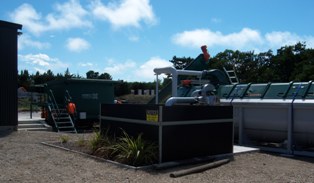
The companys process uses in-vessel composting technology patented by New Zealand-based organics recycling specialists HotRot. It involves nappies and other absorbent hygiene products (AHPs) being shredded before being composted with green waste over a 14 to 16 day period. It then separates off and removes the plastic.
Compost produced from the process is then suitable for a range of non-food horticultural and agricultural purposes, while plastic waste will be treated via energy-from-waste (EfW) facilities.
Related Links
The process is based upon similar technology that the company has in operation at its two plants in New Zealand, which have been fully operational since 2009. The company previously announced its intention to enter the UK market in September 2011 (see letsrecycle.com story).


Register for free to comment