

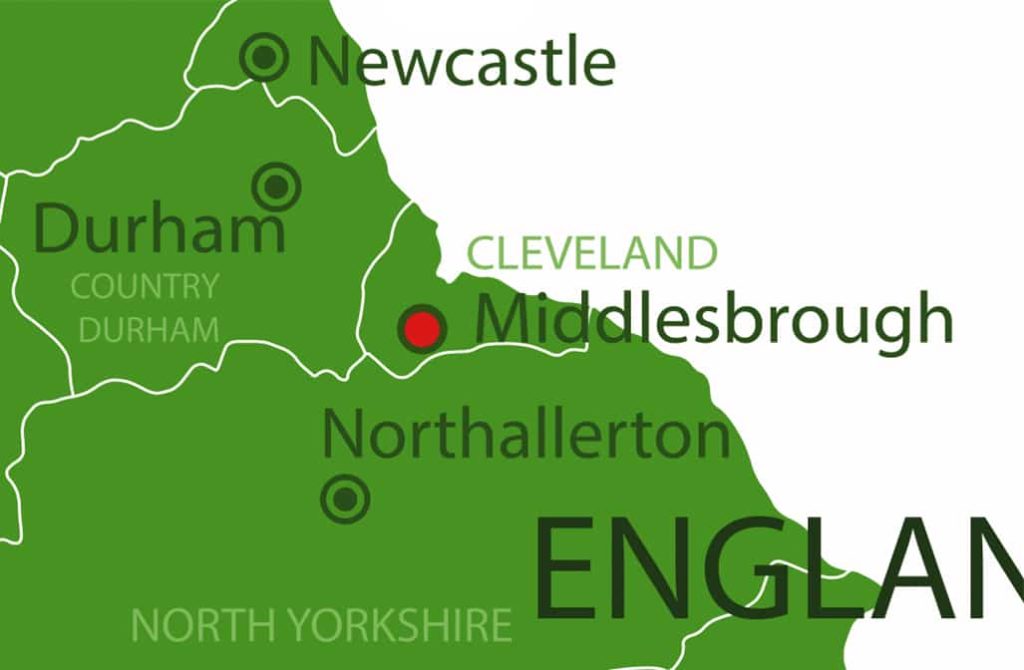
The council’s executive committee today (June 16) is to consider a report on its current commingled recycling collection system, following an assessment of its compliance with ‘TEEP’ requirements that came into effect this year.
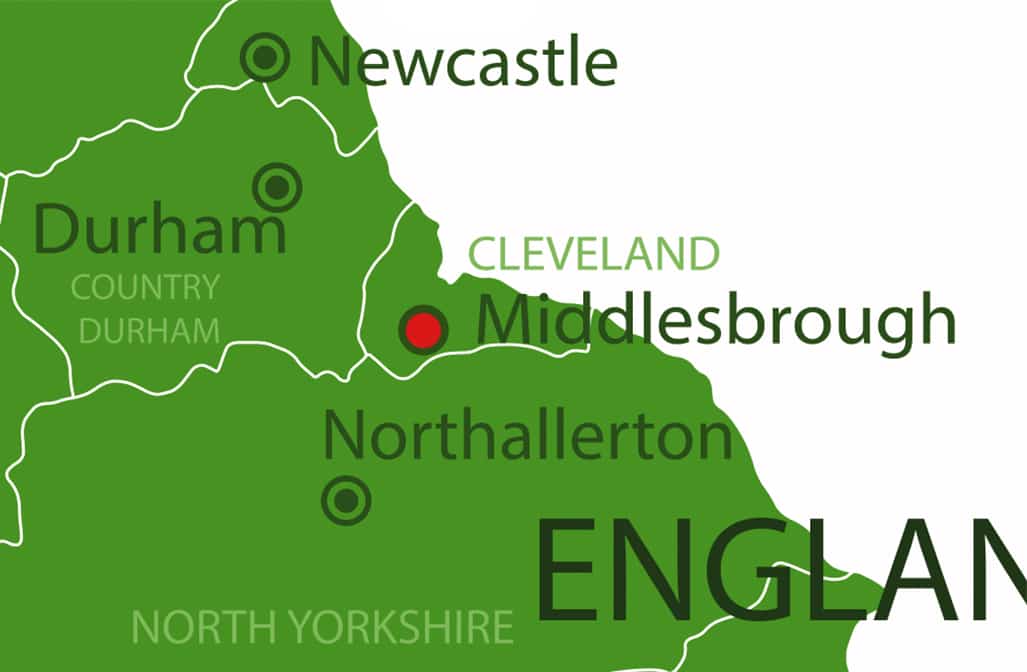
Under the Waste (England and Wales) Regulations, which came into effect in January, councils are required to carry out separate collections of recyclables unless it is not technically, environmentally or economically practicable (TEEP) or necessary to allow high quality recycling of the material.
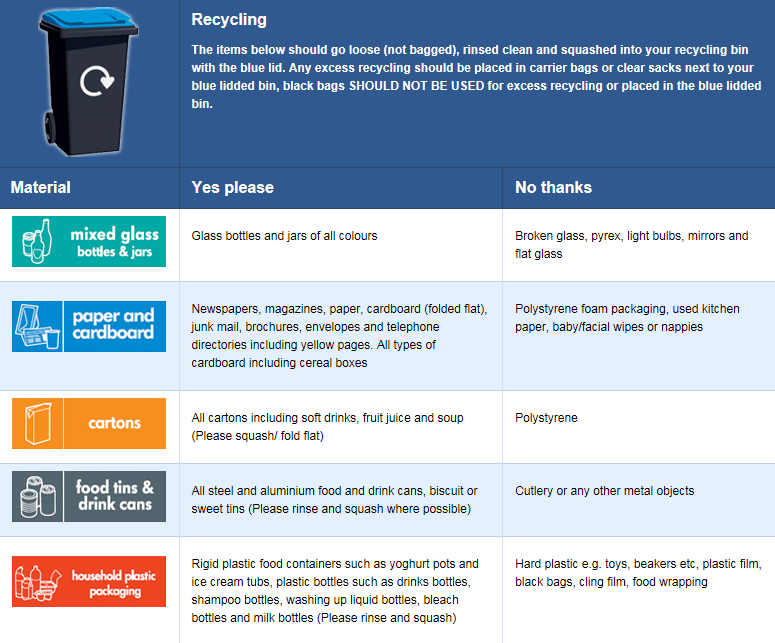
In 2013, Middlesbrough council gained funding from the DCLG Weekly Collection Support Fund to change its collection system – operated by Biffa – from a black box and sacks for separate recyclables to a single blue-lidded 240 litre wheeled bin for commingled collections of glass, paper, cans and plastic.
Under conditions of the funding, the council retained weekly collections of residual waste but rolled out a smaller, 140-litre black bin to help reduce the amount of refuse sent for energy recovery.
WYG
Waste consultancy firm WYG, which was commissioned by the council to carry out its TEEP assessment, has reported that the tonnage of recyclables collected in Middlesbrough has increased ‘threefold’ since the switch.
Under the previous system in 2012/13, the council achieved an overall recycling, composting and reuse rate of 21.55%. However in 2013/14, the local authority climbed to 27.72% – and WYG predicts a further jump in 2014/15 when the full-year effect of the change is included in the figures.
The report notes: “It should be clear from the analysis above that the chosen system is more environmentally practicable: it recycles significantly more than a system which collects material streams separately by an estimated 5,221 tonnes per annum, if fortnightly collections remain.”
WYG adds that under the commingled system, materials processed at J&B Recycling’s MRF are of “good quality” and reports details of contamination on a regular basis to Biffa, which in turn is reported back to the borough council.
It also notes that while a range of materials are accepted in the commingled bin, the council makes clear that contaminants such as hard plastics, films, polystyrene and broken glass are not permitted.
Costs
Significantly, the council also argued that reverting to separate collections would not be economically viable, as to continue collecting current recycling tonnages using a kerbside sort method would require additional vehicles and collection crews.
The WYG report notes that as a unitary authority, Middlesbrough is responsible for both waste collection and waste disposal and would therefore incur additional costs. It calculates that the net cost of collection and treatment of recyclables under a separate system would be £931,000 – meaning an increase of costs around £181,000 a year for the council.
In its own report, the council concluded: “To revert to the previous system would be detrimental to the Councils service to the public, have a negative effect on recycling performance, and incur significant additional funding requirements.”
Councils
Middlesbrough is not the first council to have deemed its commingled collections are in line with TEEP requirements.
Brentwood borough council in Essex, which also consulted WYG, found it too had met the regulations as a change in system would mean an additional £400,000 per year in revenue costs (see letsrecycle.com story).
And in March, East Cambridgeshire council confirmed its commingled system met the requirements, despite Aylesford Newsprint voicing concerns over the quality of used newspapers sourced from the district just days ahead of its closure (see letsrecycle.com story).

Register for free to comment