

At the moment, the council collects dry recyclables in a black box and green waste in a brown wheeled bin. Both are collected for free on a fortnightly basis. Residual waste is also collected fortnightly.
But, in 2010 WRAP commissioned a report by consultancy Eunomia on possible ways of restructuring the councils waste collection service. It advised that significant savings might be achieved by collecting a wider range of materials – including food, card and mixed plastic bottles for the first time- on a weekly basis, with refuse collected fortnightly and a charge for garden waste introduced. This type of service has already been introduced with good results in nearby East Devon, West Devon and Somerset.
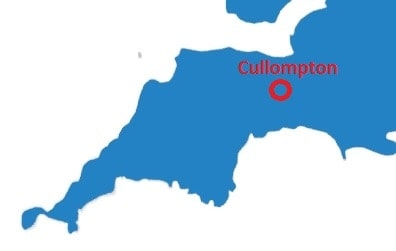
To see how it would work on the ground, the council trialled a weekly recycling collection service for 832 households for three months from June to October 2011 in the Cullompton area.
But, while recycling rates were shown to improve slightly, the service cost more than what is offered at present meaning that the council will not be rolling it out to residents.
Councillor Mel Lucas, chairman of the managing the environment policy development group at the council, said: Although the WRAP report identified significant potential savings, these depended on a number of assumptions that were made about current costs, potential income and changes to residents recycling behaviour. Rather than proceed with a new recycling scheme based on a theoretical study, the obvious plan of action was for Mid Devon district council to test the theory with a practical exercise in order to evaluate the real costs and benefits. It proved that practice is better than theory.
“Charging for garden waste proved very unpopular and overall the new scheme would be more expensive than the way we run the service currently”
Cllr Mel Lucas, Mid Devon district council
Cllr Lucas thanked all residents who took part and for responding positively, and said that the amount of material collected for recycling went up slightly.
But the downsides were that charging for garden waste proved very unpopular and that overall the new scheme would be more expensive than the way we run the service currently. Bearing in mind the need to keep a tight rein on costs, we have decided not to progress these ideas any further, he added.
Cost
According to a report presented to the councils managing the environment policy development group on November 1, the council found that setting up the new recycling service would cost 262,000, with up to a further 347,000 in running costs dependent on the vehicles chosen.
The report says: If such a scheme were rolled out across the councils areas, there would not be the savings suggested (save for some minor salary, vehicle and income adjustments), but the cost to the council being in the order of 600,000 could threaten its Medium Term Financial Plan.
Garden waste
The council found that the charged-for garden waste collection service led to a drop in the amount of material collected and estimated that, due to low levels of take-up, it would consequently only generate a profit of around 50-80,000 a year- much lower than the 249,000 predicted in the Eunomia study.
It seems that much savings predicted in the report were to be achieved by charging for garden waste, the report notes. As it is a free service currently it is to be expected that this was a dubious assertation.
The charge for garden waste also proved to be very unpopular, with the report noting that: Survey respondents liked certain features of the scheme (weekly collection of food waste and the opportunity to recycle mixed plastic bottles), but disliked others, particularly the garden waste collection arrangements and the prospect of being charged for material.
Related Links
Simon Hill, waste strategy manager and recycling officer at the council, claimed that running the trial had given the council valuable experience in collected materials such as plastic, cardboard and food waste in a different way as well as road-tesing a more efficient type of lorry.
This experience, and the data we gathered, will be very useful to us when changes to the service are considered in future, he said.
Eunomia
Commenting on the council’s trial, Joe Papineschi, Eunomias project director, said: we dont know much about the trial, so cant yet comment in detail. However, we would be very cautious about extrapolating cost based on a three month, 800 household trial. Obviously our and WRAPs role in this kind of project can only go so far its then down to the authority to implement the changes effectively. Given where this authority is starting from, wed be very likely to make similar recommendations again though. Our work suggested costs that are higher and productivity that is lower than the Somerset authorities are actually achieving next door in similar territory.


Register for free to comment