

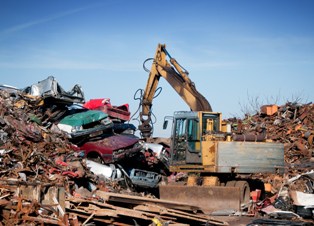
But, recent indications from world markets, including Turkey, are that prices could have reached their low point and may be about to turn up again offering a glimmer of comfort for scrap merchants.
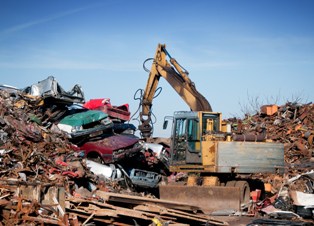
While many in the sector said they would have expected a fall in the market with a mild winter and Turkish demand in particular reduced, the level of reductions over the past five weeks were unexpected.
The impact of the prices is also hitting local authorities with prices for light iron scrap, such as that found on civic amenity sites, reducing by as much as 25% in recent weeks. The price fall will also have at least a short-term knock-on effect on the value of some materials, such as white goods, collected for recycling under the WEEE system.
Reasons for the reductions are thought to be varied but a weak Turkish economy and political unrest there is seen as the main factors.
Turkey

‘There are seasonal changes and when the international markets have a correction, then scrap follows.’
Graham Davy, BMRA president
Turkish orders have been down significantly. Turkey has become a vital outlet for scrap, buying in about 20% of world scrap supplies to feed its electric arc furnaces. The country produces about 35 million tonnes of scrap a year, the bulk of it with electric arc furnaces rather than via traditional steelworks.
While Turkey is still buying some scrap from the US, the flow is reduced and so the unwanted material is having to find outlets elsewhere. The political uncertainty in Turkey with an election due in August, plus a stalling economy, are behind the reduction in orders.
A further factor in weaker demand for February is the mild winter. The Baltic Sea has not frozen over as much as in some winters allowing easier access to scrap from Eastern Europe. Plus, the cold weather in the United States has not interrupted supplies of scrap to any significant extent a severe American winter has in the past helped push up demand for scrap from the UK and the rest of Europe.
Graham Davy, president of the British Metal Recyclers Association, said that the current downturn would make business planning difficult but emphasised that price reductions and increases are very much a feature of the ferrous marketplace. There are seasonal changes and when the international markets have a correction, then scrap follows.
Costs
Metal recyclers contacted by letsrecycle.com generally report that 2013 was a tough year with overheads unchanged, increased costs partly because of the cash payments ban, and volumes of material reduced. Consequently some businesses have drawn on their resources which could make it harder to cope if the current downturn in prices was maintained.
Related Links
Other merchants suggest that some businesses may start to pay slightly over the odds in competition for scrap because volumes in the UK are low and that this will mean that margins will be tighter than ever.
Overall sentiment among merchants, however, appears to be that while prices may bottom out, uncertainties will continue in the metals sector during the year with Chinese demand likely also to be volatile as the government there grapples with how to handle its expanding economy.

Register for free to comment