

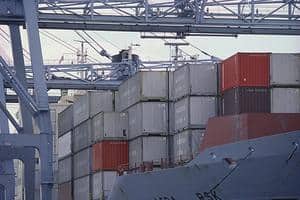
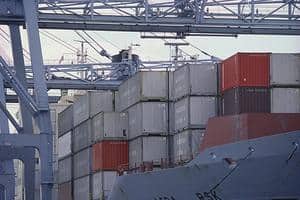
The Malaysian authorities have banned the import of solid plastic waste from the EU, in a move that UK exporters claim could see the value of recycled plastics fall.
The suspension on material leaving the EU bound for Malaysia has been in effect for one month, with the Malaysian authorities advising shipping companies not to transport the material since early September.
Rohani bt. Jusoh, assistant director of the Division of Hazardous Substances at the Malaysian Department of Environment, confirmed to letsrecycle.com that the ban is currently active, and that the import of material from Europe into the South East Asian nation would remain prohibited until the suspension can be reviewed by the Malaysian government.
He said: With due respect to the Commission Regulation (EU) No. 674/2012 the export of B3010 & GH013 (plastic wastes) into Malaysia are prohibited until further review.
The reason for the ban is not yet known, although it is not thought to be connected to the quality of plastic waste coming from the EU. It is also understood that Malaysian end users of recycled plastic are lobbying the government to have the ban overturned.
Value
A UK-based plastic exporter told letsrecycle.com that should the ban remain in place, the UK market could see a slight fall in the value of waste plastics as more material will be available.
He commented: The effect of this ban is good and bad; good for the end user because it means that there will be cheaper material on the market, but it is likely to be bad for the collectors of the material because if the price is going to fall, it is likely to be fed down to them.
He added that the UK should have the reprocessing facilities available to cope with the excess material available as a result of the ban.
According to a report published last month on plastic waste exports from the EU by plastics recycling body European Plastics Recycling (EuPR), Malaysia is the fifth biggest market for waste plastics from the continent, behind China, Hong Kong, India and Vietnam.
‘We recognise that the Asian markets have been critical to the growth of recycling collection systems in the UK but we believe that this is evidence of the sorts of risk we will see in the future.’
Roger Baynham, BPF
Export
Plastic products manufactured include automotive parts, components for the telecommunications industry, construction materials, household goods, acrylic sheets, bags, bathroom accessories, battery casings, bottles, containers, toys, games and packaging materials.
Roger Baynham, chair of the British Plastics Federations Recycling Group, commented that the ban highlighted the UKs vulnerability to changes in the Asian export market, and said that it underlined the need for a bigger reprocessing network in the UK.
Speaking to letsrecycle.com he said: While Malaysia is a relatively small export market for the UK and Europe, we are conscious that there are issues going forward with the stability and sustainability of the Asian markets and that means we need to ensure that there are local recycling resources to ensure that we are able to manage our own waste.
We recognise that the Asian markets have been critical to the growth of recycling collection systems in the UK but we believe that this is evidence of the sorts of risk we will see in the future. Anything that is going to have a detrimental effect on the market is not good for our exporters.
Related Links
The plastics sector has already been hit with difficulties in exporting material to the Asian market in 2012, with exporters reporting in May that the price of shipping containers to the continent had seen material prices drop by up to 20 a tonne (see letsrecycle.com story).

[…] month, we have reports stating that Malaysia will start to ban solid waste plastics from the EU (see lets recycle story) and then this week we see reports that now The Chinese Ministry of Environmental Protection has […]