


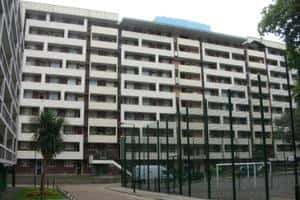
Issues over space and safety have traditionally made it difficult to introduce recycling into flatted and multi-occupancy accommodation. However, these account for 50% of London's housing stock and 40% of its municipal waste stream.
Recycling in flats and multi-occupancy buildings was identified in the London Waste and Recycling Board's business plan earlier this year as one of the key areas that it intended to focus on over the course of 2010/11 (see letsrecycle.com story).
In addition, the Mayor of London, Boris Johnson, identified improvements to flats recycling services as a key priority in his draft waste municipal strategy published in January of this year (see letsrecycle.com story).
Announcing the funding yesterday (June 22), Mayor Johnson said: “With so many people in this city living in flats, we have to find smart ways to help boost recycling in these properties. Not only will this help residents do the right thing when it comes to the environment, but it also helps borough councils cut the mountain of waste being sent to landfill and the heavy economic costs of doing so.”
Focus
The London Waste and Recycling Board (LWaRB) was formed in September 2008 as a means of promoting waste and recycling in the capital, with £84 million in funding drawn from Defra and the London Development Agency.
And, Clyde Loakes, LWaRB board member and Waltham Forest council's cabinet member for environment, said: “When you consider that around 40% of the capital's municipal waste comes from these types of properties I am thrilled that the Board are investing in helping London look at ways to improve recycling from flats.
“The fund will allow boroughs to share best practice in this area, to improve existing schemes as well as looking at new ways to make recycling as easy as possible for everyone.”
The comments were supported by councillor David Williams, LWaRB board member and councillor for London Borough of Merton, who said: “Making it easy for flat dwellers in London to recycle is not just a good idea, it is essential. More Londoners live in flats than other parts of the country, which is why recycling rates in the capital are lower.
“Not only will our environment improve but council tax payers will also benefit from reduced landfill charges.”
The LWARB is aiming to have all of the £5 million committed by March 2011, with successful schemes being fully operational by March 2012. Details of how to apply for funding will be outlined in an event for local authority officers at City Hall in early July this year.

Register for free to comment