


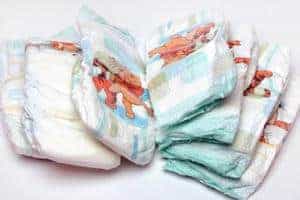
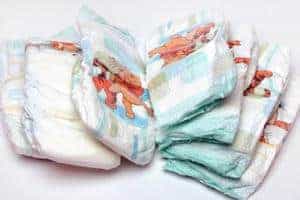
The new report found that disposable nappies, if used for an average of two and a half years, “would result in a global warming impact of approximately 550kg of carbon dioxide” whereas, if reusable nappies were laundered and dried to best practice the carbon impact could be reduced to 470kg.
Biba Hartigan, of the Women's Environmental Network (WEN), which established the Real Nappy Campaign, said of the report:
“At last, this report supports what WEN has been stating for decades, real nappies are best for the environment with 40% carbon savings to be made over disposables. It's easy to make a difference with a sensible washing routine.”
The new report is based on modern reusable nappies versus disposable ones and takes into account different washing methods and the most popular types of reusable nappy.
The 2005 Environment Agency report came under fire because it was based on old fashioned terry nappies, not the more widely-used shaped and pre-folded reusables.
Best practice
Defra said in its report that washing nappies in full loads and 60ºc is “best practice” and said it was better for the environment for them to be line-dried instead of put into a tumble dryer.
However, the report also acknowledged that it was not possible for parents to follow “best practice” all of the time and this was taken into account when assessing the carbon savings offered by reusable nappies.
A spokeswoman for the EA said the report stated that reusable nappies were only better than disposables if they were laundered using best practice. She pointed out that the report also showed that if best practice was not followed, reusables could be less environmentally friendly.
The report stated that if reusable nappies were washed at a high temperature and also tumble dried, they could produce 470 kg of carbon, 20 kg more than the average disposable.
The spokeswoman added that the EA would not be changing its policy on nappies.
She told letsrecycle.com: “We still believe that people should be free to choose whichever type of nappy is best for them. This report supports the previous findings on the environmental impacts of different kinds of nappies, although it does highlight the importance of laundry choices for reusable nappies in cutting their impact.”
Publicity
WEN argued that the new report needed to be fully publicised after the “confusion” of the 2005 report. It claims the 2005 report was confusing for parents and may have discouraged many from using reusable nappies and therefore the Government should be promoting the results of the 2008 report to the public.
WEN described the 2005 report as “seriously flawed” (see letsrecycle.com story) and claimed it was based on “poor quality data”. WRAP also criticised the 2005 report (see letsrecycle.com story ).
Kay Wagland, of WEN accused Defra of “abdicating responsibility by not promoting the results”, she added: “They should be encouraging this report.”
A Defra spokeswoman commented: “It's not the Government's job to tell people what sort of nappies to use. Our role is to provide information on the environmental impacts so that people can make informed choices appropriate to their own lives. This report supports the previous findings on the environmental impacts of different kinds of nappies, although it does highlight the importance of laundry choices for reusable nappies in cutting their impact.”
She added that the report would get the same publicity from Defra as all other reports.

Register for free to comment