

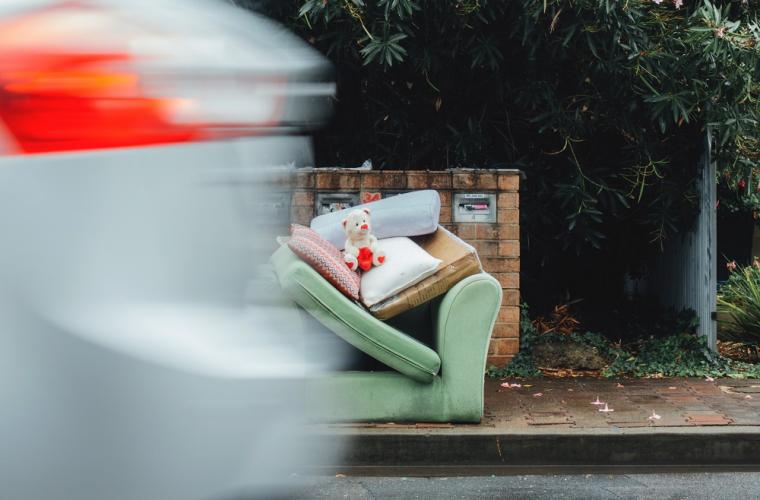
The call comes after figures released by the LGA on Saturday, 4 January, show that fly-tipping incidents have soared to over 1 million in 2018/19, up from 714,637 in 2012/13.
The association highlighted that only 5% of those prosecuted in the last six years were fined above £1,000. The maximum penalty is £50,000 or a five-year prison sentence.
Now, the LGA is calling on the government to work with councils on reviewing guidance to the courts, to ensure that the worst offenders face tougher sentences, and that councils have the funding needed to investigate and prosecute fly-tippers.
In a statement, the LGA stated that “due to demand on councils’ legal duties, less money is available for discretionary powers like issuing penalty notices for fly-tipping.” Despite this , councils managed to take legal action over nearly 500,000 incidents in 2018/19, up by 5,000 on the previous year.
Councillor David Renard chair of the economy, environment, housing and transport board at the LGA, suggested that manufacturers of bulky household items could contribute “by providing more take-back services so that people can hand in more furniture and mattresses when they buy new ones.”
Cllr Renard added that councils are “determined” to crack down on fly-tipping.
“Fly-tipping is not only an illegal, inexcusable and ugly blight on society, it is a serious public health risk and costs tax-payers in England £50 million a year to clean up.
“Councils are determined to crack down on the problem and have increased enforcement activity, including installing CCTV at fly-tipping hotspots to support successful prosecutions.This is why we want to work with the government on reviewing sentencing guidelines for fly-tipping, so offenders are given bigger fines for more serious offences, and to ensure that councils have the funding needed to investigate incidents.”

Register for free to comment