

Evidence is being sought on the UK refuse derived fuel (RDF) market for both export and domestic use by the Department for the Environment, Food and Rural Affairs (Defra).
The Department issued a call for evidence today (March 12) to businesses, councils and stakeholders involved in the RDF industry, including the likes of the Environmental Services Association (ESA), the Green Investment Bank (GIB) and the Local Government Association (LGA).
Defras letter to stakeholders on the consultation, which runs until May 9 2014, states that it is aiming to fill the gaps in our knowledge about the RDF market and its challenges.
It also asks stakeholders for opinions on whether there is a case for the government to take action to ensure the waste hierarchy is fully applied, highlighting the introduction of clearer minimum standards for the material as a possible option.
According to the call for evidence document, the government is keen to ensure that RDF produced for both the domestic market and for export is limited to material which cannot be effectively recycled, and the combination of fuel and technology is sufficient to deliver clear environmental benefits.
Export
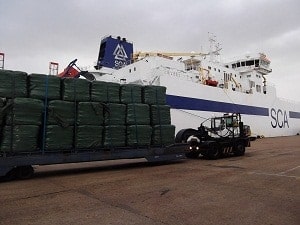
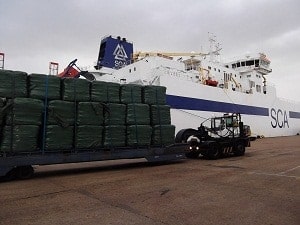
The consultation follows a report issued last month by Defra on energy-from-waste, which highlighted the increase in RDF export in recent years due to overcapacity of infrastructure to process RDF abroad (see letsrecycle.com story).
‘The government is keen to ensure that Refuse Derived Fuel (RDF) produced for both the domestic market and for export is limited to material which cannot be effectively recycled, and the combination of fuel and technology is sufficient to deliver clear environmental benefits.’
Defra’s call for evidence document
Provisional RDF data revealed by the Environment Agency in January showed that more than 1.5 million tonnes of the material was exported in 2013 significantly higher than the c. 900,000 tonnes exported the previous year (see letsrecycle.com story).
However, some believe that exporting RDF to the likes of the Netherlands should only be a medium-term solution and there is also concern that, when sent abroad, this material becomes a lost valuable resource to the UK.
According to the call for evidence document the government is concerned that minimally treated RDF being produced for export does not necessarily achieve the best environmental outcome in terms of the waste hierarchy or support wider aims around energy security and self-sufficiency.
And, it adds that there is anecdotal evidence that the export of RDF to Northern Europe is leading to a decline in the amount of investment in EfW infrastructure in the UK. It also highlights issues with some RDF businesses producing too much of the material and then stockpiling it in large quantities.
Related Links
Defra is seeking to find out:
- how this fuel is made and who uses it
- issues with domestic use of refuse derived fuel
- challenges from exporting this type of fuel
- is government action needed to improve the market, particularly in terms of achieving environmental benefits
- if government action is needed and what should it be doing

Register for free to comment