
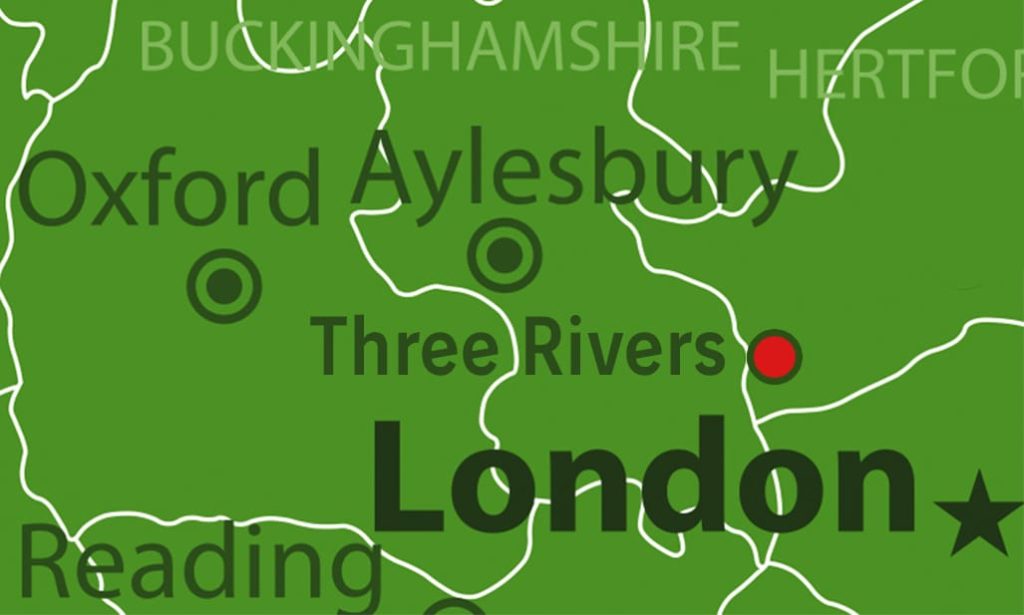
Three Rivers district council based in Rickmansworth, Hertfordshire, composted 43.35% of the household waste it handled in 2013/14 – almost 6% more than Rochford which claimed the second highest rate with 37.82%.
Three Rivers has also historically performed well in the overall recycling league table, ranking fourth in England last year with a recycling, composting, and reuse rate of 62.44%.
But in October the council brought in changes to its scheme in order to reduce the tonnages of garden waste collected and to make savings on the cost of treating the material.
Frequency
The changes saw Three Rivers revert from weekly to fortnightly collections of green waste, as well as launching a new weekly service to collect food waste separately from the green waste stream.
The council has attributed the switch from the combined collection system to the increasing cost of in-vessel composting, the only treatment option available to authorities which operate a mixed green waste and food waste service. Although the council would not disclose its own treatment costs, in 2013 the average gate fee for IVC was £46 per tonne – compared to an average of £24 per tonne for windrow composting according to WRAP.
However, the amount of food waste actually composted by the council is significantly lower than green waste, with the majority of residents disposing of the material in their residual waste bins.
A food waste composition analysis published by Hertfordshire Waste Partnership in October shows that in 2013/14, 226,485 tonnes of food waste ended up in the residual waste stream across all Hertfordshire councils – compared to 115,572 tonnes which was composted.
Treatment
Allison Page, head of environmental services at Three Rivers council, said it was more cost efficient to send food waste for anaerobic digestion and garden waste for treatment at a windrow composting site once the current IVC contract ends with West London Composting at the end of January 2015.
She said: “We were paying for a huge tonnage of garden waste to go through in-vessel composting. As 95% of the organic waste we were collecting was garden waste the council decided it was cheaper to dispose of that material at a windrow composting site.”
[testimonial id = “164” align=”right”]
The council has also opted to return to fortnightly collections of green waste in order to reduce tonnages collected and to cut costs.
The move led to complaints from some residents, and fears within the Hertfordshire Waste Partnership that its overall recycling performance – which stood at 49.3% in 2013/14 – could drop.
Ms Page added: “When we introduced weekly green waste collections [in 2011] we found a lot of extra waste going into the waste stream and before people were thinking of alternative ways of disposing of it. Following the changes in the last quarter our composting tonnage decreased by 1,000 tonnes.
“The nature of Three Rivers is we have a lot of large houses with very large gardens. We had to explain to residents that the issue of collecting this extra material and transporting it for composting was not sustainable.”
Collections
Hertfordshire county council currently subsidises composting collections by an estimated £2 million, which is further added to through the payment of transport subsidies for organic waste.
According to Ms Page, the county council – which procures treatment contracts on behalf of Three Rivers – has also expressed some concerns that the changes could put them below the combined contractual guaranteed minimum tonnage of 75,000 tonnes per year.
At present, current tonnages going to four IVC facilities from Hertfordshire stand at 115,010 tonnes per year.
The removal of food waste from the green waste stream also allows Three Rivers to introduce a charge for green waste collections, which the council could consider in the future.

Register for free to comment