

During trials undertaken last year on behalf of all local authorities in Surrey, the county council collected 155 samples of leaves from six of its waste transfer stations, with the material visually assessed and analysed for physical and chemical contaminants.
And, the study found levels of harmful chemical polycyclic aromatic hydrocarbons (PAHs) above the recommended limit in only one – 0.6% – of the 155 samples, which were otherwise below limits for other contaminants. A subsequent risk assessment concluded that this posed a ‘low risk’ to human health.
Surrey Waste Partnership (SWP), alongside Resource London (LWARB and WRAP) and the Waste Network Chairs, said it was now planning to meet with the Environment Agency in the coming months to discuss the results.
The study was first announced by Surrey in January 2015 in response to a 2012 Environment Agency ruling prohibiting leaves collected from road sweepings from being used to produce PAS 100 compost (see letsrecycle.com story)
An assessment of 66 leaf sweeping samples undertaken by the Agency had found physical contaminants and high levels of PAHs in the material, which it said could pose a risk to human health if used in quality compost.
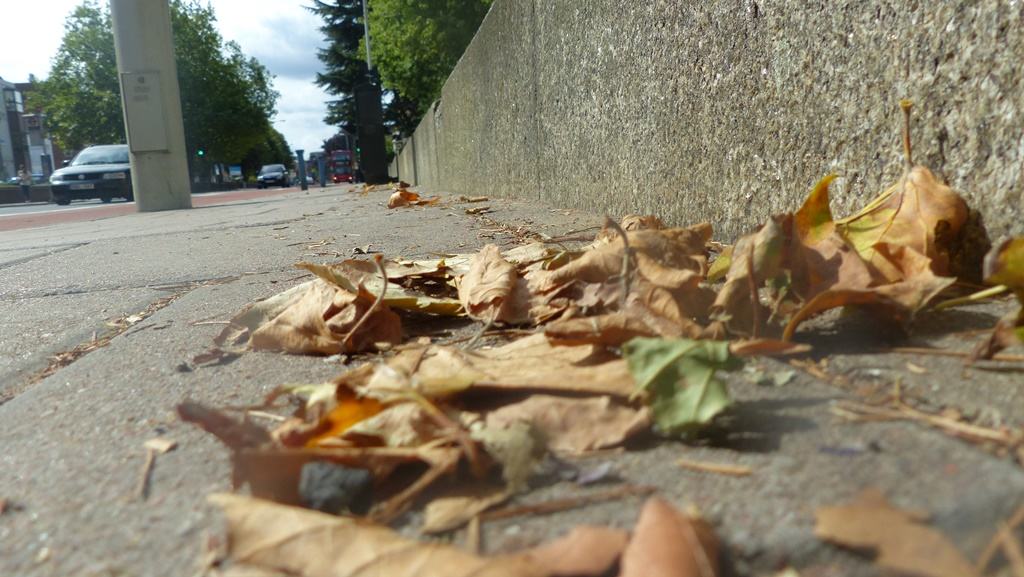
The decision had an adverse impact on a number of local authorities’ recycling rates, including Surrey Heath council – which blamed a 5% drop in its 2013/14 recycling rate on no longer being able to recycle street leaf sweepings into compost (see letsrecycle.com story) – and Wokingham council (see letsrecycle.com story).
SWP estimates that the decision has cost its councils around £200,000 a year due to increased treatment costs incurred by sending street leaves to a special facility in West Sussex, while it believes the overall cost for local authorities nationwide could be between £9-21 million with many councils forced to send the material to landfill.
Study results
Enlisting the help of consultants Leap Environmental, Surrey undertook a study of a much larger sample of street-swept leaves than carried out by the EA study in the hope of getting the Agency to look again at its classification of the material.
Speaking to letsrecycle.com, Surrey Waste Partnership manager Tom Beagan, said: “We were unhappy with the EA decision. The data that it based the decision on – the Agency itself admits that it has limitations, one of which is the small sample size used.
[testimonial id = “267” align=”right”]
“We have tried to add to the data to better inform the decision making process.”
Leap Environmental looked over the samples to make sure the methodology was comparable to the Environment Agency study, he explained, noting that the results were compared against a “wide range of assessment criteria” including Defra’s category 4 screening levels for contaminated land published in December 2014.
And, Mr Beagan said: “For nearly everything examined, contaminants and PAHs were below the assessment criteria, and the mean concentration of PAHs was far below the limit.”
Although only one of the 155 samples – 0.6% – exceeded the upper category limit for PAHs, the council undertook a further risk assessment for the material.
This concluded that “overall there is a low risk to human health from leaves collected from Surrey’s roads if they are used as a compost provided they are first screened for physical contaminants and routinely monitored and chemically assessed to ensure that batches that contain high concentrations of BaP (Benzo[a]pyrene), for example, are not included in the final compost output”.
However, the assessment also said that due to the variability of the results found within Surrey compared to the Agency’s national study “it is not recommended that other local authorities use the data in this investigation” and that they “should instead undertake their own research if they wish to compost street-swept leaves”.
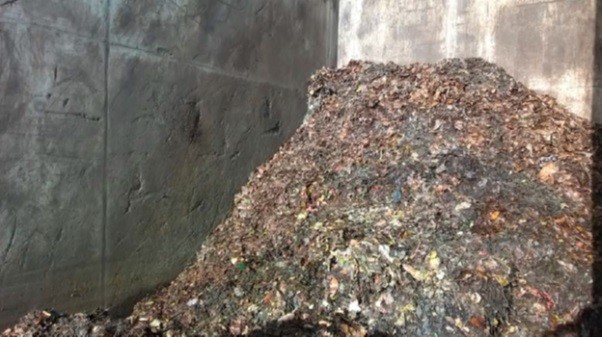
The study concludes: “Overall, however, this investigation is considered to have provided significant information to provide the basis for renegotiation with the EA for the use of street-swept leaves from Surrey in producing ‘quality compost’.”
Next steps
Mr Beagan said that the Agency was “aware of the study and welcomes the discussion” and that an initial meeting between all parties to discuss the results further was likely to take place towards the end of September 2015.
He said: “It is good to see that there is a low level of contamination in Surrey’s leaves and that it could potentially be used as a feedstock for high quality compost. Other local authorities are encouraged to talk to the Environment Agency to undertake other studies themselves.”
Also speaking to letsrecycle.com, advisor to the Waste Network Chairs, David Greenfield, said: “We will be working with the EA to determine what the timeline is going to be for potentially using the study results in any further discussions.”
Dr Greenfield said it was “very early days” and that it was up to the Agency to decide, in light of Surrey’s evidence “whether it needs to look at the topic area again”.
He added: “We understand the EA’s position and how they got to that position. What we are trying to do really is increase the knowledge towards any decision which is made.”

Register for free to comment