
The organisation, which includes the Organics Recycling Group, represents anaerobic digestion operators and composters, is petitioning the Treasury to bring in the measures in line with Scotland and Wales.
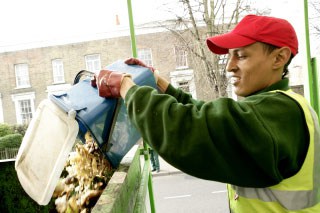
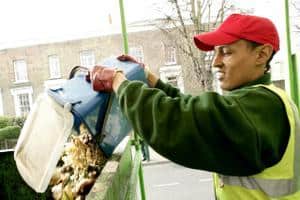
The REA is also looking to promote the separate collection of garden waste – and has in the past been critical of the growing trend among English councils to charge householders for the service.
Published on change.org, the appeal has received 104 supporters at the time of writing – with REA aiming to collect 200 signatures in total.
According to the petition, only 10% of household food waste is currently captured and recycled in the UK with around 7 million tonnes ending up in landfill each year.
Scotland
Measures introduced in Scotland last year mean local authorities north of the border must offer a food waste recycling service in non-rural area from January 1 2016. A ban on all municipal biodegradable waste to landfill is due to follow in 2021 (see letsrecycle.com story).
And, the Welsh Government has also set a goal that all food waste should be collected separately and sent to AD facilities by 2025 as an ‘intermediate step’ towards its zero waste ambitions.
However England has yet to introduce mandatory food waste collections. Prior to the general election, the Labour Party scrapped a pledge to ban food waste to landfill after a ‘dossier’ published by the Conservatives claimed it would cost £477 million to implement in 2015/16 (see letsrecycle.com story).
According to the REA, separate collections of food and garden waste would bring a boost to the AD and composting sector by increasing the amount of feedstock for facilities available on the market. A similar surge in capacity was seen following the introduction of regulations in Scotland, according to AD plant operators.
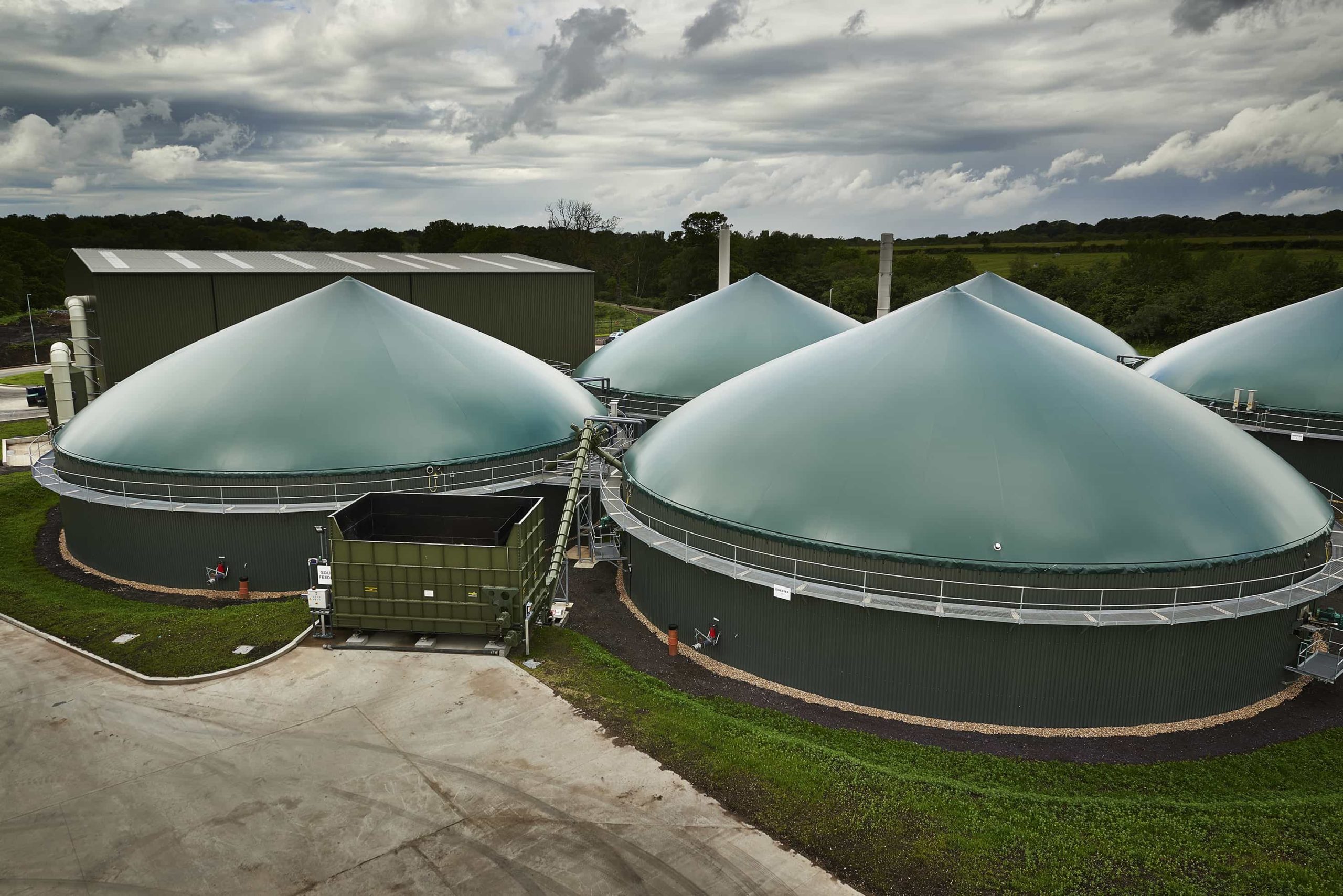
Concerns have been raised in recent years that the amount of AD capacity that has been commissioned in England will soon outgrow the available feedstock – though the government’s decision to end the Climate Change Levy for renewables may stem the tide of future developments (see letsrecycle.com story).
Circulation
Commenting on the petition, REA technical director Jeremy Jacobs has urged organic recyclers to circulate the appeal.
Mr Jacobs said: “We have launched our campaign to promote the collection of food and garden waste. Please circulate details of this wide and far so that we can get as many signatories as possible to support this initiative in order that we can follow the example from across the borders. There, capture rates have increased dramatically since the collection of food waste was made mandatory.”
The campaign to bring in separate collections of biowaste in England also formed part of the REA’s response to the European Commission’s consultation on its upcoming circular economy package.
However, speaking to letsrecycle.com at the RWM Show in Birmingham in September, the Commission’s outgoing director general for environment Karl Falkenberg appeared less than enthusiastic about the inclusion of separate collections in the package (see letsrecycle.com story).
Related Links:
Petition: Support Mandatory Food Waste Collection in the UK

Register for free to comment