

An Oxfordshire-based anaerobic digestion plant developed by organics recycling firm Agrivert has become the seventh facility in the UK to achieve the PAS 110 standards accreditation.
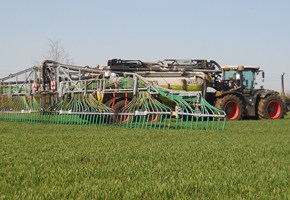
The plant, which cost 9 million and opened its doors to Oxfordshires organic waste in October 2010 (see letsrecycle story) produces a high quality whole digestate as a byproduct of the AD process, which is then exported for use in local agriculture and industry.
The PAS110 certification, first published in February 2010 and since awarded to about seven AD facilities across the UK, sets parameters on input materials and the management system for the AD process.
Quality
These include minimum standards for the quality of whole digestate, separated fibre and separated liquor. The aim has been to remove a major barrier to the development of AD by assuring companies purchasing the digestate that the product is of a consistent quality and to encourage more sustainable practices in the AD industry according to the standards agency BSI.
Commenting on the announcement, Alexander Madden, Chief Executive of Agrivert, said: Agrivert is a great supporter of PAS standards. We now work with 17 local authorities, many of whom attach great value to PAS accreditation. The agricultural community are not only interested in the NPK value of digestate but they are also interested in the cleanliness of the product and its low odour level.
As with several AD plants currently operating in the UK, Agrivert originally commissioned the Cassington plant with a view to using silage as a supplementary feedstock. However, facilities wishing to secure PAS110 are required to pasteurise their silage on a regular basis, according to BSI.
Silage
Without the capability to pasteurise silage on site, Agrivert opted to remove silage from its feedstock in order to acquire PAS110 status. A review of PAS110 due this autumn is set to assess whether pasteurising silage still has merit, and consequently whether adjustments to the certification should be made.
The Cassington plant was constructed as part of Agriverts 20 year contract with Oxfordshire county council and has a waste capacity of 45,000 tonnes a year. Providing 2MW of electricity a year to the National Grid, the plant is one of five Agrivert facilties which deal with a total of 130,000 tonnes of organic waste per year across Oxfordshire.
Related links
Mr Madden added: Our product at Cassington consistently tests at a minimum Volatile Fatty Acid (VFA) threshold and at half the residual biogas potential (RBP) threshold required under PAS110. These excellent results further underpin confidence in our facility… securing PAS110 is not only important for our clients but also for our stakeholders in the agricultural industry.


Register for free to comment