

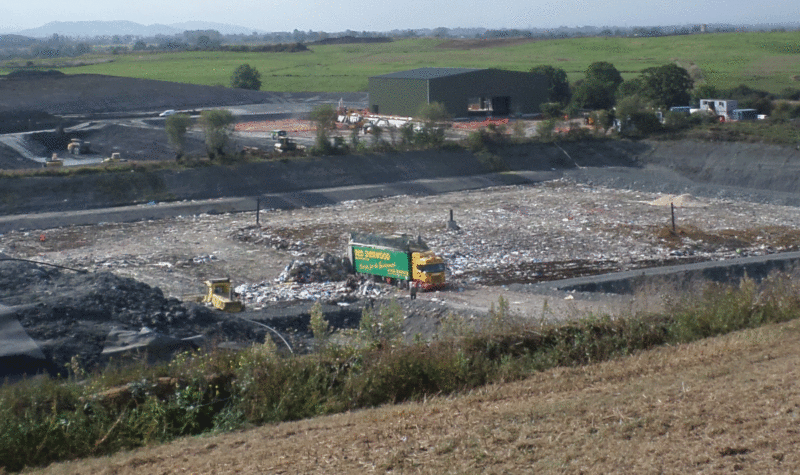
Separate applications against HMRC were launched by Veolia and Viridor, but were heard together in February.
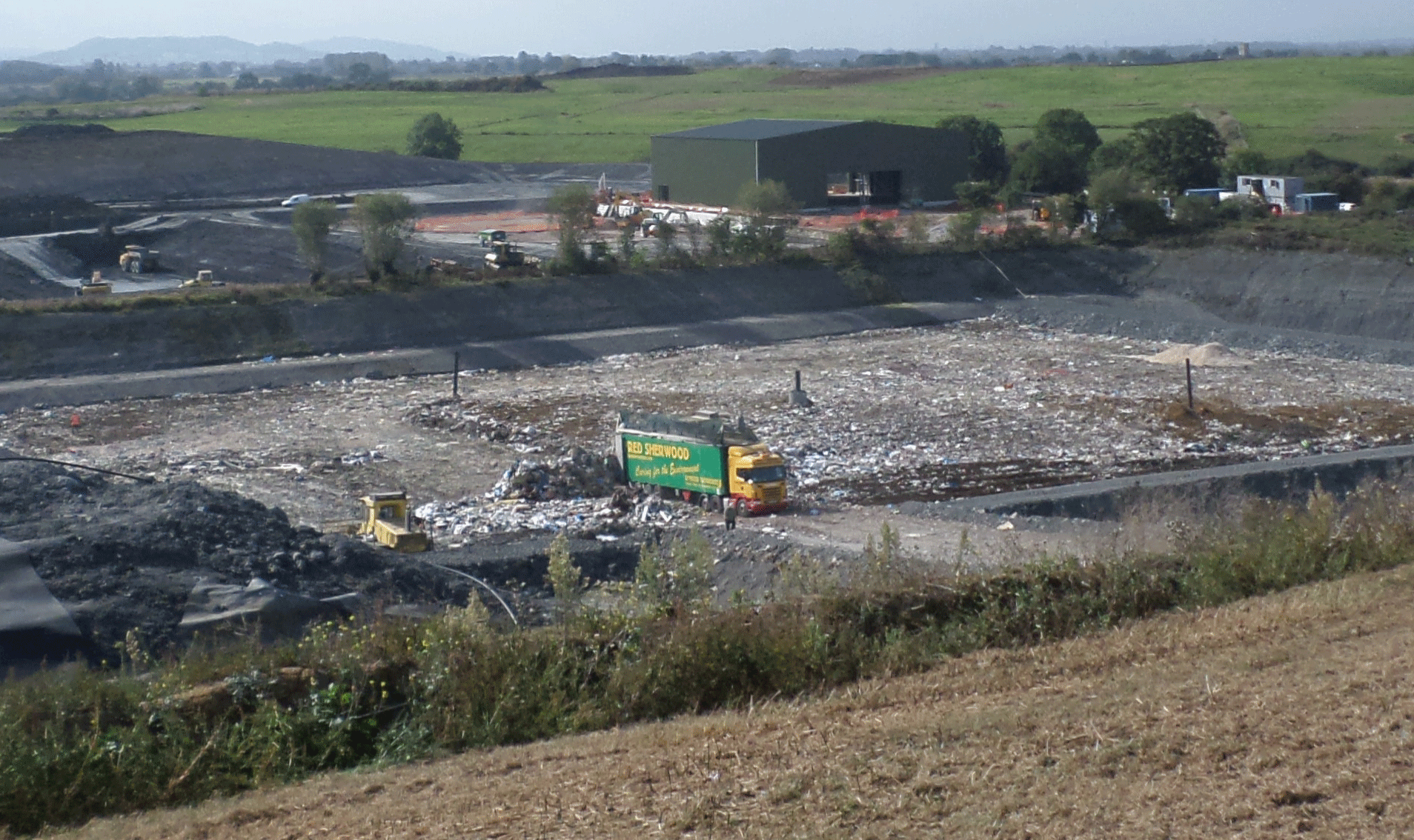
The applications were thrown out earlier this summer after Justice Christopher Nugee ruled HMRC’s decision “was not so unfair that it amounted to an abuse of power”.
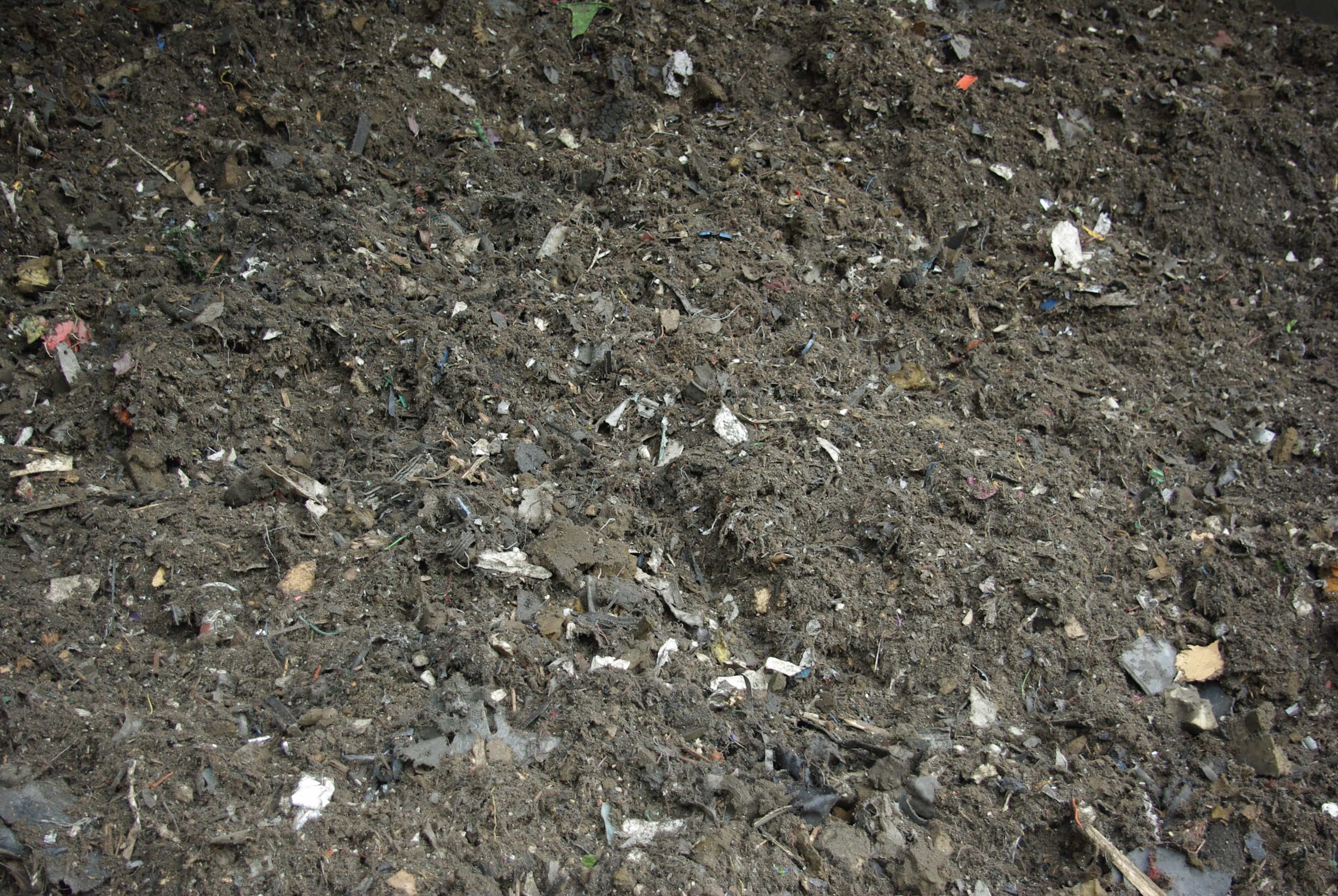
The ruling comes as part of an ongoing legal case over the classification of ‘reverse or top fluff layer’ waste material used for engineering purposes in landfill cells, and whether this should be deemed taxable.
Tribunal
As a result of the ruling HMRC will not be required to issue rebates to the companies in this case, but appeal proceedings to determine whether the material used was or was not subject to landfill tax are still being put forward in a separate first-tier tax tribunal involving more than 90 landfill operators, understood to be scheduled for November 2016.
The pending first-tier tax tribunal, which also involves Veolia and Viridor, could see HMRC have to issue reimbursement to the claimants if it is found that fluff material was not taxable prior to the tax body halting rebates for the material in 2012.
The origins of Veolia and Viridor’s judicial reviews – merged as ‘Veolia ES Landfill Ltd and others v HMRC’ – can be traced back to 2008, when fluff material was briefly discounted from the landfill tax regime following an appeal by the Waste Recycling Group.
At the time, the Court of Appeal found that where material received at landfill is put to use on the site it cannot be classified as taxable as there was no other disposal option available to processors.
Claims
In accordance with the judgement, HMRC initially invited claims for repayment of landfill tax and acknowledged a claim from Veolia that it had overpaid on base and side fluff. However, the tax relief ended in 2012 when HMRC issued two notices claiming ‘reverse or top fluff layer’ material was taxable and that its disposal did not constitute a use of the material.
In early 2014, the government solidified its position further by claiming all types of fluff ‘are and always have been taxable’ and that the 2008 ruling ‘does not set a precedent’ on landfill tax (see letsrecycle.com story).
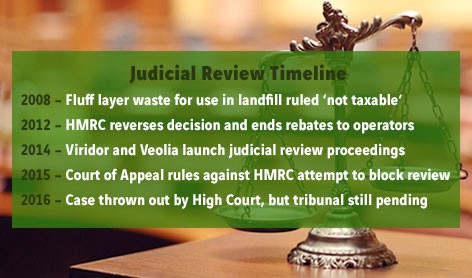 Both Viridor and Veolia responded by launching legal proceedings, asserting a breach of its legitimate expectation that its claims would be paid.
In Viridor’s case, HMRC paid part of its claim for base and side fluff but held back the balance pending unjust ‘enrichment arrangements’. Veolia’s claim had been accepted ‘in principle’ but had not received a rebate at the time the decision was reversed.
Ruling
Ruling in favour of HMRC, Justice Nugee resolved that the base and side fluff claims were a “relatively early skirmish” in what had become “an all-out attack on the tax as a whole”. He suggested that had HMRC known at the outset the extent of the challenge, “the whole approach would have been different”.
On Viridor’s case, he said “if the true position is that fluff was not taxable, Viridor can (and one must assume will) establish that in due course in its appeal to the tribunal”.
He added that Viridor’s ‘legitimate expectation’ was retroactive – meaning the firm did not believe it would be exempt from the tax at the time of laying down the fluff layers. Justice Nugee also noted that Viridor had received a “very substantial repayment” already – many times the £75,000 it incurred reviewing whether its customers’ waste was likely to be suitable for the fluff layer – which he argued as a matter of tax law it was “not entitled to”.
Veolia
In Veolia’s case, the Judge admitted the position was “much less clear cut”. He argued that like Viridor, the firm had not arranged its affairs in the belief that the fluff was not taxable – but that correspondence with HMRC had led it to believe that repayment would be made.
But, he argued that while it may be unfair that Veolia was led to spend time and money (£63,000) on assessing the fluff material, he did not think HMRC should be “obliged to pay it millions” as a result.
He added: “The mere fact of HMRC raising a taxpayer’s hopes by telling it that it is due a refund, and then dashing them by telling it that on further consideration no refund is due, is bound to cause the taxpayer disappointment but is not I think in itself necessarily productive of unfairness.”
‘Disappointed’
Commenting on the verdict, Veolia said: “Veolia is naturally disappointed at the result of the Judicial Review application, and is now seeking leave to appeal this decision to the Court of Appeal.”
HMRC is currently consulting on ways to ‘simplify’ the criteria around which types of waste qualify for landfill tax from April 2017 as a direct response to ongoing legal challenges from across the industry (see letsrecycle.com story).
Commenting on the High Court decision, an HMRC spokesperson said: “We are pleased that the High Court’s decision confirms HMRC’s analysis of this issue.”

Register for free to comment