


LARAC has written to Defra minister Emma Hardy calling for the Government to reassess the financial and operational implications of the scheme for local authorities.
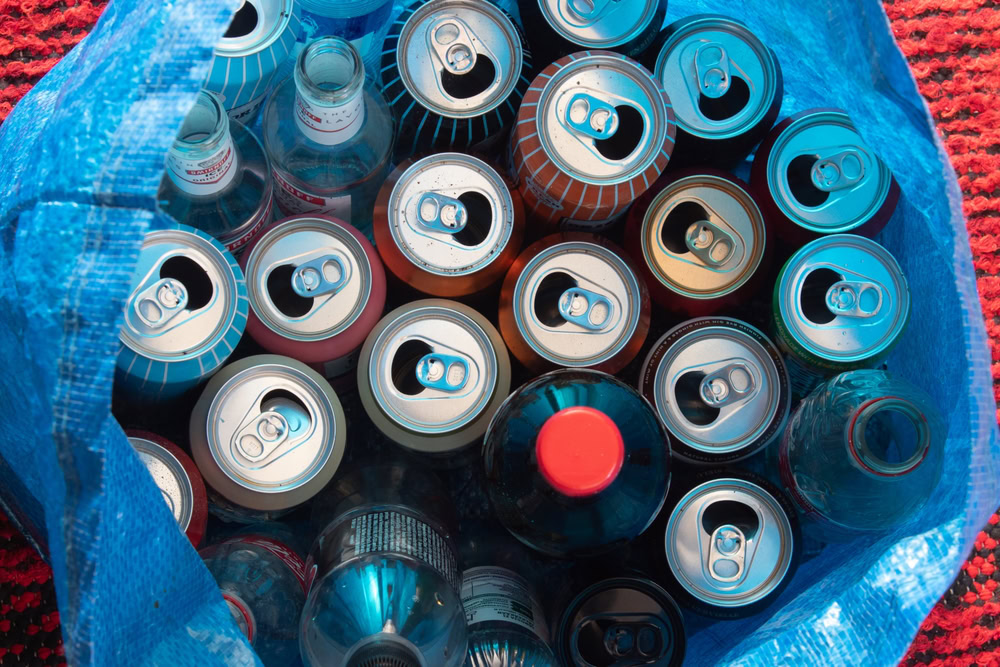
The organisation said drinks containers are among the most widely collected and valuable materials in household recycling, and warned that removing them from kerbside collections could leave councils facing additional costs.
Defra’s 2024 DRS Impact Assessment estimated that the scheme would generate a saving of 69p per household for local authorities.
However, LARAC said it believes DRS could instead cost councils millions of pounds through lost income from valuable materials, increased Material Recovery Facility (MRF) gate fees, Trading Standards enforcement, litter management and changes to collection contracts.
It also raised concerns over the Impact Assessment’s reliance on composition and behavioural data dating back to 2016.
Four actions on DRS
LARAC has called for four actions from Government:
- An updated DRS Impact Assessment using current data to establish the likely financial and resource implications for local authorities.
- A financial mechanism to offset lost income and additional costs, either through the New Burdens Doctrine in England and equivalent arrangements in the devolved nations, or through an appropriate share of unredeemed deposits held by the Deposit Management Organisation (DMO).
- A formal monitoring and review framework involving local authority representatives during the scheme’s initial years.
- A cumulative assessment of DRS, packaging Extended Producer Responsibility (pEPR) and Simpler Recycling in England, looking at how the reforms interact and affect implementation and effectiveness.
LARAC chair Gareth Rollings said the organisation was concerned that the Government’s assessment did not account sufficiently for factors likely to increase costs for councils and the wider waste sector.
He commented: “While some of the gaps in Defra’s 2024 Impact Assessment may reflect the limited evidence available at the time, its failure to account for factors likely to increase costs for local authorities and the wider waste sector is extremely concerning.
“The suggestion that councils will achieve savings through DRS does not reflect the financial and operational consequences they expect when the scheme goes live.”
LARAC also called for consideration of unredeemed deposits, which it said would be directly linked to the performance of the scheme.
Rollings added: “Local authorities must also have a formal role in monitoring and reviewing DRS once it is operating, including how it interacts with packaging Extended Producer Responsibility, Simpler Recycling and the wider system of waste and recycling reforms.”
MRF concerns
LARAC’s call comes after six independent MRF operators also called for the implementation of DRS to be paused and reviewed.
Timberpak Pearce, Grundon, Levenseat, N&P, Sherbourne and Yorwaste wrote to Government calling for a “whole-system review” of the scheme’s potential impact on existing recycling services.
The operators said DRS should not proceed until its interaction with pEPR, Simpler Recycling, TEEP assessments and changing collection systems had been properly evaluated.
They also raised concerns about the removal of PET bottles and aluminium cans from kerbside collections, arguing that these materials are disproportionately important to the economics of MRF operations.

Register for free to comment