



A new code of practice to help increase landfill gas capture and maximise renewable electricity production at landfill sites has been launched by the Environmental Services Association (ESA), the trade association for the waste management industry.
The Industry Code of Practice (ICOP) for the management of landfill gas provides best practice advice and standards for operators and regulators involved in the collection and use of landfill gas.
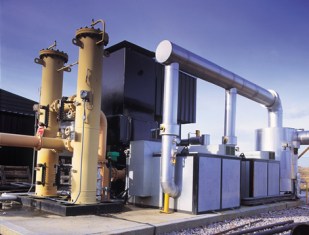
Between 2006 and 2010 the waste management industry increased the production of electricity from landfill gas by over 14%. In 2010 landfill gas comprised around 20%of all the renewable electricity produced in that year.
This increase in electricity production, despite the decline in landfilling waste, is largely due to improved techniques for the capture and efficient use of landfill gas. The sector has also been working with regulators to help define appropriate regulation for the sector and methods to best maximise the capture of landfill gas. This process is ongoing and the sector continues to seek further increases in the capture of landfill gas and the resultant production of green electricity.
Responsibility Deal
The Code of Practice has been developed following the launch of a Responsibility Deal between Government and the waste management sector, which was published in June 2011. It recognised that the waste and resource management sector had been central to the major progress made in recent years in modernising the UKs approach to waste management and aimed to build on this progress and improve further the management of waste as a resource in the economy through an agreed set of commitments.
ESAs director of policy, Matthew Farrow, said: The ICOP will enable continued effective management of landfill gas, with associated environmental benefits. It is a result of effective joint working, and we particularly welcomed the involvement of the UKs environmental regulators in its development. Publishing this ICOP is one example of how we are demonstrating our commitments in the Waste and Resource Sector Responsibility Deal: to maximize recovery of landfill gas, and to adopt practices that reduce nuisance and impact on local communities.
Environment Agency
The Code of Practice is the result of collaboration between various waste management companies, industry experts and the Environmental Services Association and has been assisted and reviewed by the Environment Agency.
Related Links
The Environment Agencys head of regulated industry, Harvey Bradshaw, added: Control and capture of methane emissions from landfill is one of our top environmental priorities. We welcome publication of the ICOP as evidence of the commitment we seek from the waste industry to work with us to find solutions for stopping uncontrolled methane emissions. We expect the ICOP to play a key role in promoting best practice and improving the standard of landfill gas management within the UK, to reduce the environmental and amenity impact of landfill.

Register for free to comment