

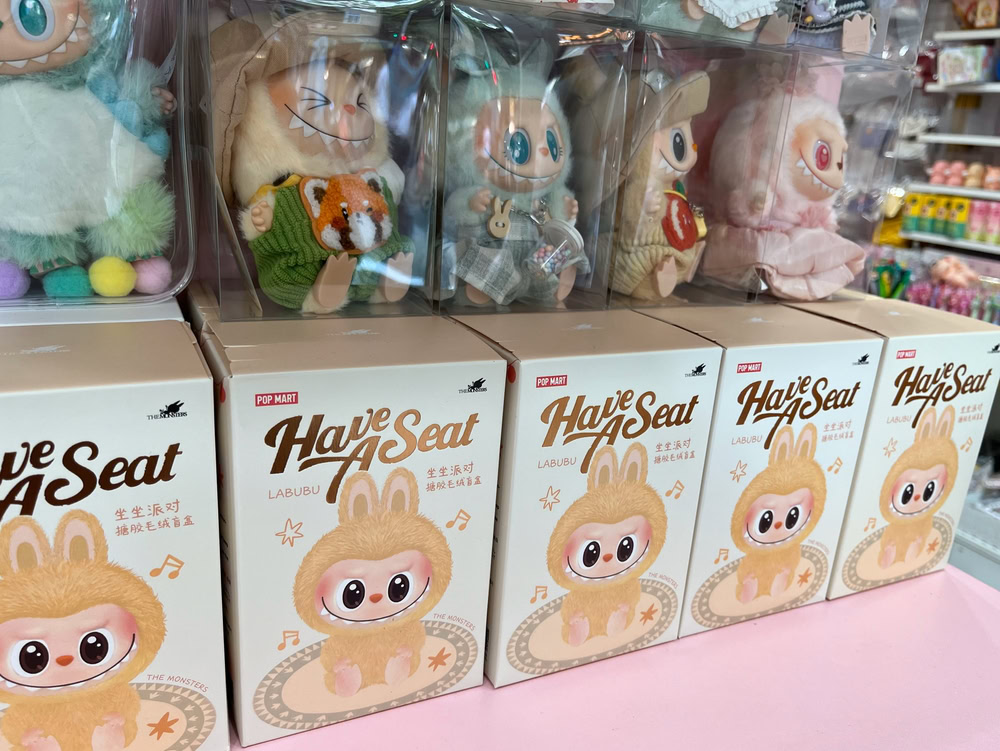
At its summer peak, Pop Mart’s CEO predicted daily Labubu sales could exceed 10 million units by September 2025, potentially outpacing global Barbie doll sales.
The company’s revenue surged 204% in the first half of 2025, buoyed by a retail expansion that saw 40 new outlets opened worldwide, taking the total to 571.
However, following a downbeat assessment by JPMorgan Chase on 14 September 2025, Pop Mart’s share price slumped by nearly 25% from its record high.
By late October, shares have fallen a further, extending the decline since the late-August peak.
Industry observers caution that toy trends like this are typically short-lived, with a natural cycle of just two to three years.
Mystery boxes and mounting waste
According to Science Direct, around 80% of all toys end up in landfill, and Labubu dolls are unlikely to be an exception.
Each figure is primarily made from polyvinyl chloride (PVC) and polyester fabric, both of which are tricky to recycle.
However, the real concern may lie not in the toys themselves but in their packaging.
Each Labubu is sold as part of a “blind box” – a sealed package that conceals which doll lies inside until it’s opened.
This mystery model, central to Pop Mart’s success, fuels repeated purchases as consumers chase rare “secret” editions, often at odds of one in 72.
Every doll comes wrapped in multiple layers of plastic film and cardboard, meaning that millions of units translate to vast quantities of mixed-material packaging waste.
Ben Richardson, Commercial Director at Reconomy Connect, said the Labubu boom highlights a recurring blind spot in how manufacturers and retailers think about product life cycles.
Richardson commented: “With such high volumes of this product entering the market, it is important for strong collaboration across the industry and supply chains to ensure clear guidance and infrastructure are in place to help consumers properly dispose of or recycle them responsibly at the end of their life.”

Register for free to comment