

Under current plans, the government expects measures such as the introduction of separate weekly collections of food waste and the implementation of consistency in the collection of dry recyclable materials to be in place by 2023.
The Greater Manchester Combined Authority (GMCA) says significant investment in additional vehicles and crews would be required to collect materials separately and to allow for any required changes in frequency of collection.
It suggests contract changes would be needed to reflect extra materials handling costs and the need to source anaerobic digestion (AD) treatment capacity, either from the market or via development of a dedicated facility.
GMCA officers met with representatives from resources charity WRAP and Defra, to help them understand what they could expect from forthcoming consultations on specific elements of the strategy.
A report on the implications then went before the GMCA’s housing, planning and environment scrutiny committee on 14 January. It reads: “If all the original proposals are enshrined in legislation and statutory guidance, they would have a significant impact on both collection and disposal services across Greater Manchester.”
The GMCA has commissioned Wood Environment and Infrastructure Solutions UK to model the financial and environmental impact of a range of scenarios that could result from the final strategy.
Dry recyclables
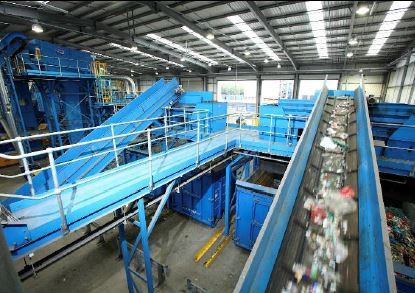
As a result of consultations held by Defra in early 2019 a ‘multi stream’ system was decided as the preferred method to collect dry recyclables. A set of core materials that would be collected separately from others was established. The initial set includes glass bottles and containers, paper and card, plastic bottles, plastic pots, tubs and trays, and steel and aluminium tins and cans.
The GMCA currently operates a ‘twin stream’ collection system. It does not currently collect plastic pots, tubs and trays as it does not believe there is a sustainable market for their recycling.
Defra’s initial consultations also a suggested a preference for a consistent set of bin colours to be applied nationally. The GMCA estimates changing their current bins would cost around £38 million. However, it says its conversations with WRAP and Defra suggested this policy was no longer a priority.
Food and residual waste
The initial consultations set out proposals for a minimum expectation that households should have alternate weekly collection of residual waste with separate weekly food waste. AD was identified as the preferred disposal method for food waste.
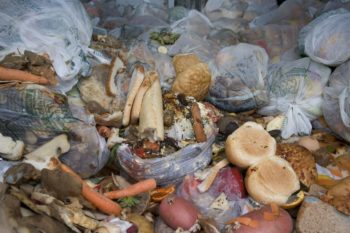
The GMCA currently collects food waste mixed with garden waste and processes it through in-vessel composting (IVC) facilities.
The combined authority says that while the consultation does not rule out the ability to continue to use IVC, it is prescriptive in the expectation that food and garden waste would need to be collected separately at the kerbside and then mixed together after collection if such treatment is used.
It estimated that separately collected food treated using a wet AD system with garden waste treated via windrow composting, as Defra desires, would cost the GMCA around £30.8 million per year.
Residual waste collection in Greater Manchester is currently based on two systems, with a split of districts operating either three weekly collections with a 240-litre wheeled bin or collecting on a fortnightly basis with smaller 180- or 140-litre wheeled bins. Mandating fortnightly collection will increase collection costs for those districts currently operating a three weekly collection service, the GMCA says.
Manchester
Representing an estimated population of 2,813,000, the GMCA had a recycling rate of 47.9% in the 2018/19 financial year.
In May 2019 Suez UK signed two contracts worth a combined £1 billion with the GMCA to manage waste from the region (see letsrecycle.com story).

Register for free to comment