


Speaking to letsrecycle.com yesterday, the council explained that energy from waste combined with increased recycling and composting was its preferred option for a forthcoming 25-year waste disposal contract.
A council spokeswoman said: “Energy from waste is our preferred option but it has got to be with other things. It is one line we are almost definitely going down, but until we know what the market has to offer we won't be sure.”
“At the moment we are doing the background work for a long-term contract and we will start looking for a private sector contractor from around next year,” she explained.
Landfill
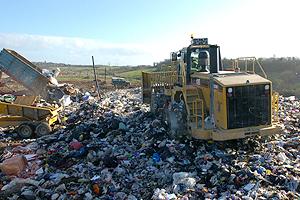
Plymouth is now facing the imminent closure of its only landfill site at Chelson Meadow, which is to close its doors next year.
In the short term, waste will then be transported by Viridor Waste Management to the Lean Quarry commercial waste landfill site, at nearby Liskeard, under a seven year interim contract.
However, in the long-term, the city council is hoping to divert much more waste from landfill in order to avoid financial penalties under the Landfill Allowance Trading Scheme (LATS), which forces a reduction in the amount of waste councils can send to landfill each year.
Councillor Ted Fry, the cabinet member for planning, regeneration and economic growth, said: “Plymouth needs to manage its own waste and we need to plan now so we can tackle our waste in future.”
“We are all aware that we can no longer keep throwing things away to landfill. AS consumers we all need to recycle more and as a council we are looking ahead to ensure we can recycle as much as we practically can, as well as disposing of the waste produced in the city responsibly.”
Plymouth's support for energy from waste follows a public consultation earlier this year in which residents were asked to comment on Plymouth's Municipal Waste Management Strategy, addressing how waste will be treated in the city.
The council explained of the responses to the consultation: “They supported increased recycling and composting together with an energy-from-waste facility, which means electricity could be produced as a product of disposing of our household waste.”
The council pointed out that other cities in the South, including Southampton, Portsmouth and Exeter had already opted for energy-from-waste but added: “A final decision for the council's need will be made in the future, as part of a tendering process with specialist waste contractors.”

Register for free to comment