

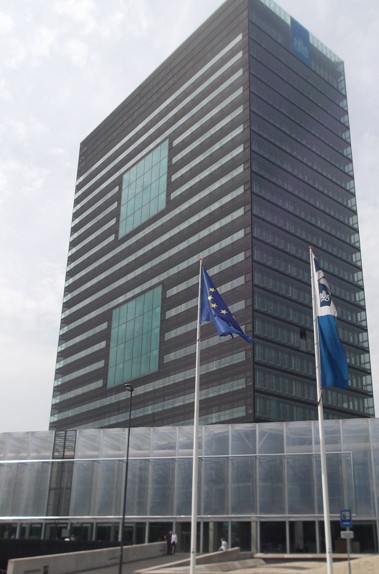
Preventing illegal e-waste shipments and sentencing for waste criminals were among the agenda items on the first day of talks between European environmental agencies at a conference on Tuesday (June 18).
The Waste Shipments and Management Conference 2013, brings together the continents environmental regulators, including the UKs Environment Agency, under the banner of the EU network Implementation and Enforcement of Environment Law (IMPEL).
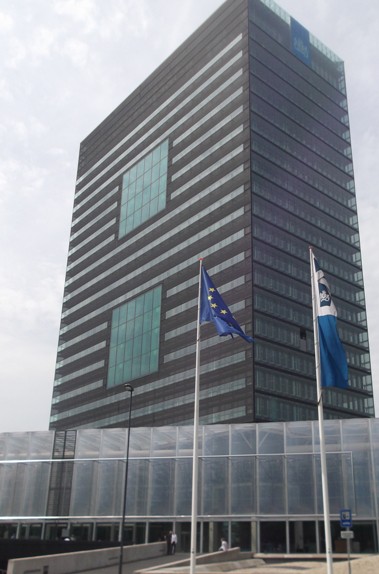
Staged over three days in the Dutch city of Utrecht, theeventwas staged to helpharmonise work across the continent on enforcing and implementing EU law on waste shipments.
Also key among the discussion topics was the future of the organisation itself, which according to its chair John Seager, has come under increasing pressure to broaden its work beyond waste to encompass other environmental areas by the European Commission, which funds some of its work.
During his opening address, Mr Seager, who is also head of environment strategy for the Environment Agency, told delegates that he had relayed the groups desire to retain its independence from the Commission, at a meeting with its director general of environment, Karl Falkenberg, this week.
He said: The European Commission provides two thirds of the funding for the network, so we are dependent on our work with them, but they have challenged us to consider moving into other areas because we have mainly been looking at TFS.
They want us to look more at problems with enforcement in areas around nature conservation and water quality as well as other issues relating to the waste framework directive.
There is a big question about how we describe our position, yesterday we were very clear that we are an independent network and we want to work closely with them but we do not want to be an agent of the Commission. One thing Karl Falkenberg said was that he was keen to develop ways of harmonising working across borders- something that we told him we are already doing.
Commission
Delegates also heard from European Commission representative George Kiayias, who urged IMPEL to continue its cross-border enforcement work, and briefed representatives on some of the topics set to be discussed at the Commissions meeting of correspondents on June 27, where waste shipment regulations will be examined.
‘We feel particularly that Impel could act in disagreements among competent authorities on what is and isnt waste and between recovery and disposal operations.’
George Kiayias, European Commission
He said: We feel particularly that IMPEL could act in disagreements among competent authorities on what is and isnt waste and between recovery and disposal operations. They are also encouraged to continue the organisation of co-ordinated inspections and joint enforcement actions.
Mr Kiayias added that proposals were being discussed by the European Commission to strengthen the requirements around waste shipment inspections, but stressed that these are at an early stage, and have yet to be properly assessed.
We are having our next meeting of correspondents in one week, issues to be discussed are possible revisions of the correspondence guidelines. There is also a study set to be launched to assess the feasibility of an electronic data interchange for waste shipments.
Basel Convention
Meanwhile, the conference also heard from Juliette Voinov-Kohler, policy and legal advisor for the Basel Convention, the overarching treaty which governs waste shipment policy in the EU and amongst other signatories.
Ms Voinov-Kohler updated delegates on the eleventh meeting of the Conference of the Parties, the governing body of the Convention which took place during late April and early May. She explained that the meeting had seen a number of initiatives approved, including work to improve the enforcement of the Convention and more work to stop the illegal transit of WEEE globally.
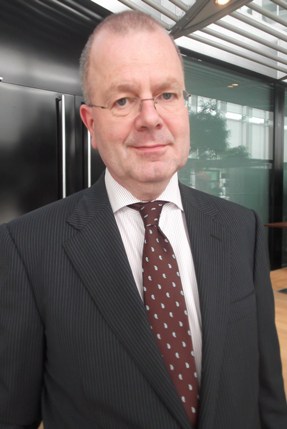
Key amongst the work, she explained, was the establishment of the Environmental Network for Optimising Regulatory Compliance on Illegal Traffic (ENFORCE), which aims to combat illegal traffic in hazardous and other wastes through the better implementation and enforcement of national law.
She added: Work on further guidance on e-waste is also beginning that will be published globally. This includes technical guidelines on transboundary movements of e-waste, but there is still disagreement over when used EEE is presumed not to be waste.
And, on sentencing for illegal exporters, Rob de Rijck director of the Dutch Public Prosecutor Service, called for prosecutors across Europe to work together to ensure that enormous differences in sentences handed out to criminals for similar crimes are brought more closely in line.
He said: In Rotterdam we intercepted a shipment that was in violation of the waste shipment regulations. We planned to bring that into court and we nominated for a fine of 100,000 based on the amount of waste that was transported.
Shortly before the hearing we had a letter from a Portuguese defence lawyer that the Portuguese authorities had prosecuted for the same offence, with a fine of 1,500.
Related Links
Our plan is to have a yearly meeting of prosecutors in this field and we also plan to create a database for prosecutors containing details of all the prosecutions for related crimes- so if a Greek court makes a prosecution for example, the decision is in the database in Greek, with English key words, so other prosecutors can easily find it.


Register for free to comment