

The Hertfordshire Waste Partnership has revealed that it is eight years ahead of government waste minimisation targets, after its residents produced less than 225kg of residual waste per person during 2011/12.
The figure comes in the recently released Annual Report for the 2011/12 financial year from the Partnership which is made up of Hertfordshire county council and the ten Hertfordshire district councils. The report reveals that the Partnership had met the target after residents disposed of nearly 7,000 tonnes less waste than during the previous year.
Councils were tasked with overseeing a fall of around 45% in the amount of waste generated per person from the average level measured in 2000 (450kg) as part of Defras Waste Strategy, launched in 2007. The Strategy also set councils a target to recycle 50% of waste by 2020.
In its report the HWP said: 2011/12 saw the Partnership achieve a key target 12 months ahead of schedule with our overall recycling rate rising to 50.4% compared to 48.4% a year earlier and reflects significant additional tonnages of organic material being captured for composting which along with a modest increase in dry recycling actually saw total household wastes rise slightly to 499,520 tonnes.
However, perhaps more importantly 2011/12 also saw further reductions in the amount of residual waste disposed of by residents down 6943 tonnes on the previous year. Subject to final population numbers this means that the HWP has already achieved the Governments 2020 target of reducing residual waste to 225kgs per head with a provisional result of 222.49kgs during 2011/12.
Reduction
The reduction in waste generation from residents is thought to be in part due to a reduction in consumption caused by the economic downturn but also down to the overall impact of the Partnerships successful WasteAware campaign, which has been running since 2004.
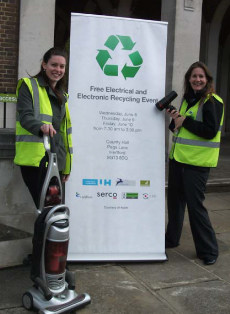
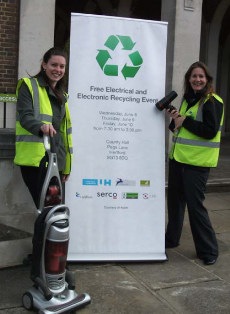
Over the last twelve months the WasteAware campaign focused on increasing participation in recycling and composting as well as launching several waste electrical and electronic equipment (WEEE) takeback initiatives to increase landfill diversion rates.
Since its formation, the Partnership has developed a number of consortium contracts whereby the member authorities sell their recyclable materials jointly, including lucrative deals for textiles (see letsrecycle.com story) and paper (see letsrecycle.com story).
2011/12 saw the HWP award a two year consortium contract to Viridor Resource Management, which is expected to be worth more than 120,000 per year greater than if each of the councils had agreed separate contracts.
Related Links
And, in the report, the Partnership claims that these contracts are generating income levels significantly above market averages based on fixed terms contracts.

Register for free to comment