

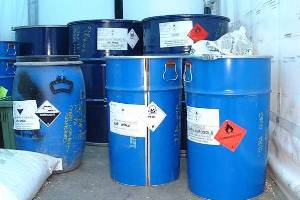
A framework for planning decisions on hazardous waste in England has been laid out in a National Policy Statement (NPS) published by the Department for Environment, Food and Rural Affairs (Defra).
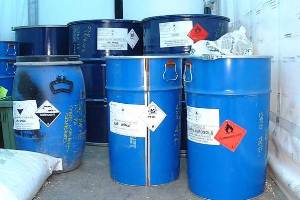
Entitled National Policy Statement for Hazardous Waste: A framework document for planning decisions on nationally significant hazardous waste infrastructure, the document was published on Friday (July 19).
Defra said that the document provides both a framework for the Secretary of State, and guidance throughout for potential developers, advising them on what should be included in their assessment of the potential impacts of projects dealing with a capacity of over 100,000 tonnes a year in the case of hazardous waste landfill sites, or more than 30,000 tonnes for other treatment systems.
Facilities which are covered include plants for treating waste electrical and electronic equipment (WEEE), oil; air pollution control residues; oily wastes and oily sludges; and, contaminated soils.
Four objectives
The document details four main objectives for government policy on the suitable management of hazardous waste:
- the protection of human health and the environment
- implementation of the waste hierarchy
- ensuring sufficient disposal facilities are provided within an appropriate proximity
- to minimise greenhouse gas emissions.
As set out in the Waste Framework Directive, the policy statement explains tha the waste hierarchy prioritises the order in which hazardous waste should be treated. This is ranked by prevention, preparation for reuse, recycling, recovery (including energy recovery), and finally disposal.
In accordance with the hierarchy, the NPS stipulates the construction of hazardous waste landfill facilities should only be proposed for waste which cannot be managed in an alternative way.
Applicants are referred to Defras Guidance on the applicability of the waste hierarchy to hazardous waste before attempting to gain consent for development.
Strategy
The NPS goes on to summarise the growing demand for large-scale hazardous waste infrastructure, which was set out in Defras 2010 report A Strategy for Hazardous Waste Management in England.
This, the NPS argues, is illustrated in the increase of WEEE arisings. Figures provided by the Waste and Resources Action Programme (WRAP) indicate an increase of waste desktop monitors, laptops, and LCD TVs, which show arisings are expected to rise from around 40,000 tonnes in 2011 to an estimated 120,000 tonnes by 2016.
However, the NPS also explains that with technologies still under development, specific criteria for WEEE facilities is not yet possible. It notifies applicants to demonstrate the recycling and recovery of WEEE where possible.
A Defra spokesman said: The National Policy Statement provides developers with guidance on what should be included in their application, while providing the government with information to help their decision making.
It will identify the types of waste for which we need new facilities to recover or recycle more.
Related links
The NPS was initially laid before Parliament last month (June 14), one of a series of drafts published under the Planning Act 2008 (see letsrecycle.com story).
A number of other recommendations, such as the proposal for the Department for Communities and Local Government (DCLG) and Defra to take decision on hazardous waste NSIPs together, have been rejected.
In Scotland, Wales and Northern Ireland, planning consents for all hazardous waste projects are devolved to the Scottish Government, Welsh Government and Northern Ireland Executive respectively.


Register for free to comment