


From this week (June 1), new European rules governing the classification, labelling and packaging of chemicals – known as The European Classification, Labelling and Packaging Regulation (CLP) – have come into force in the UK, requiring many hazardous waste chemicals to be assessed against a new set of criteria.
The changes are outlined in an Environment Agency guidance document entitled ‘Technical Guidance WM3: Guidance on the classification and assessment of waste’. The document replaces previous guidance WM2 and guides those who produce, manage or regulate waste on how to comply with the new requirements.
Obligations
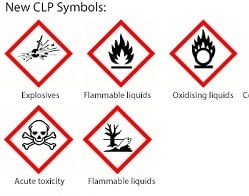
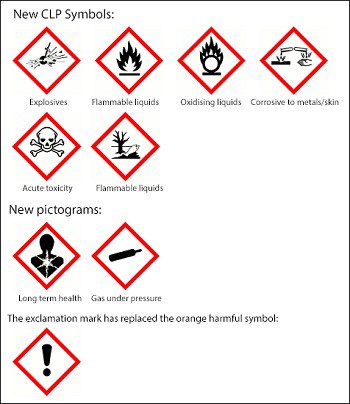
The obligations under the CLP Regulation are similar to the previous EU legislation; however, there are some important differences. An enormous number of products must be re-labelled to comply with CLP, including consumer items such as paints or detergents, as well as industrial mixtures. The hazard pictograms, which were previously orange, have already changed in line with this (see above).
The new system is based on hazard classes, categories and statement codes rather than previous risk phrases and categories of danger
Importantly, the changes mean that some materials which were previously classed as non-hazardous could now be classified as hazardous.
The CLP aligns previous EU legislation to a globally harmonised system agreed by the United Nations in a bid to facilitate international trade and protect the environment and human health.
WasteCare
One company which has been keen to publicise the changes is Leeds-based waste services provider WasteCare. To ensure the company and its clients comply with the new regulations, the firm has re-evaluated the hazard codes of over 2,000 different waste streams that it handles, identifying the new codes and assessing any changes to hazard status.
Peter Hunt, managing director at WasteCare, said: “We have had to re-assess every hazardous waste stream we handle and want to make it as painless as possible. There is a different set of criteria for assessing the material. It has taken a bit of time to take on board the nuances of it. The customers will also be the last to know about the changes and will need help.”

Subscribe for free