

Hackney council had a recycling rate of 28.3% in the 2019/20 financial year, below the national average of 45.5%.

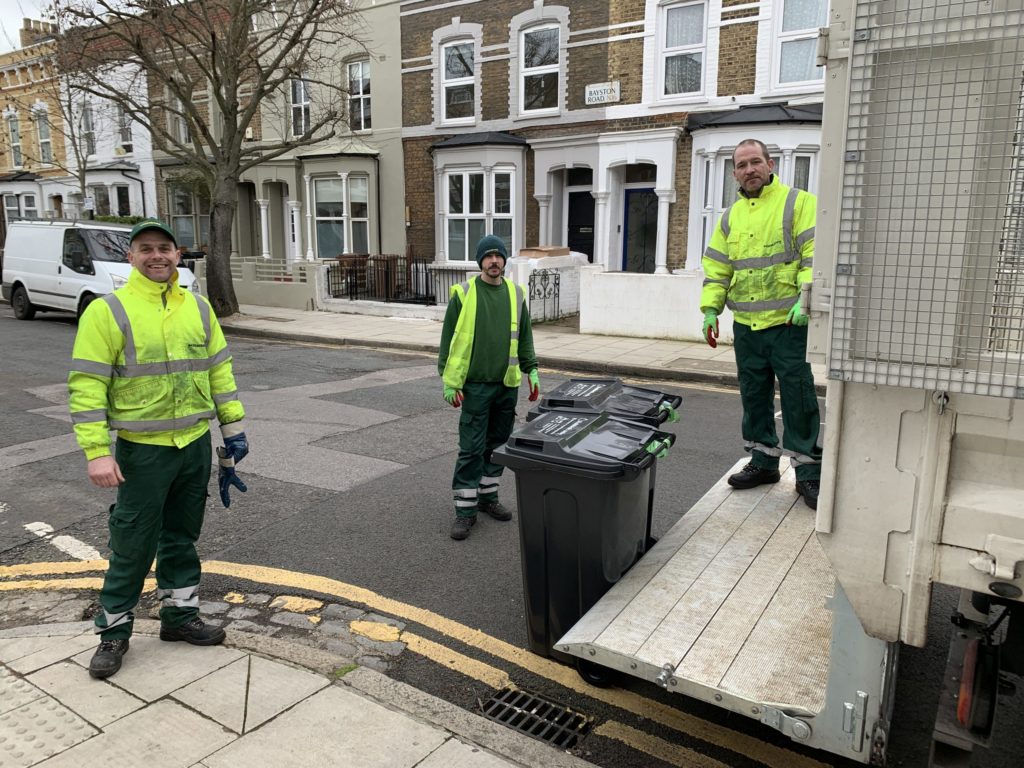
Residual waste collections at some properties in Hackney switched to every two weeks from 1 March.
Mayor of Hackney Philip Glanville said: “Hackney residents have made incredible progress in increasing the amount they recycle, with recycling rates up from 1% in 1998 to around 28% today.
“These changes will encourage residents to recycle even more, which will help us reduce the amount of waste we send to be incinerated.
“Recycling and food waste collections are staying weekly to help residents recycle as much as possible – and I’d encourage people to try using our new fox-proof food waste bins for their food scraps, which will help keep other bins clean.
“We know these changes will be more difficult for some and are keen to help households through this process. We are committed to ensuring that our streets remain some of the cleanest in London.”
Food waste and recycling collections will remain weekly. The changes will not affect estates or blocks of flats, which keep weekly waste collections.
Hackney
According to figures published by Defra last week, Hackney council collected 301.1kg of household waste per person in 2019/20, which is also amongst the lowest figures in the country. The borough has an estimated population of nearly 280,000.
The local authority has operated an in-house collection service since 2013 and sends its kerbside recyclables to Biffa’s Edmonton material recycling facility (MRF). Its residual waste is processed at the Edmonton energy from waste (EfW) plant, which is operated by LondonEnergy for the North London Waste Authority (NLWA).
“Hackney is an inner London authority with a number of demographic issues to contend with when delivering recycling services”
A council spokesperson suggested to letsrecycle.com that the number of properties in Hackney without a garden may have contributed to the borough’s low recycling rate, with there being less green waste to go towards the figures. They said: “Hackney is an inner London authority with a number of demographic issues to contend with when delivering recycling services.
“Unlike in suburban and more rural locations, Hackney cannot rely on high levels of garden waste to increase recycling rates as few properties have gardens, and those that do are smaller.
“Around half of Hackney’s housing stock is made up of flats with communal collections, which produce lower recycling rates than street level properties. This is evidenced by the work that LWARB have undertaken on improving recycling rates in flats.
“Flats above shops, which make up around 4% of Hackney’s housing stock, also represent a challenge to implementing some of our recycling services.”
Switch
Hackney council decided to roll out fortnightly residual waste collections in May 2020 (see letsrecycle.com story). It says that currently around half of the waste the borough throws away could be recycled.
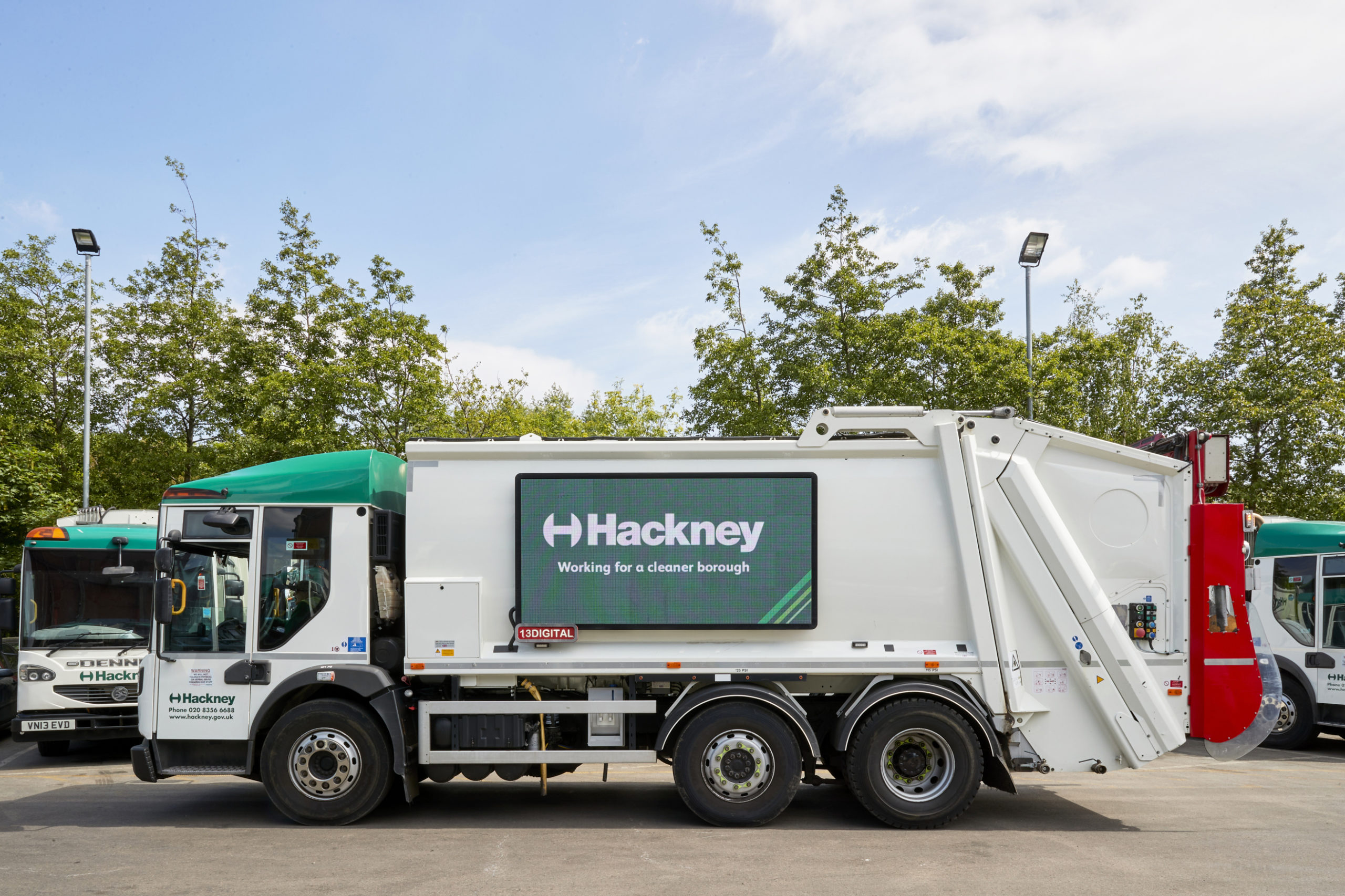
The change affects houses or houses that have been converted into flats and currently have green sack recycling services.
Hackney hopes the switch to fortnightly collections will reduce the amount of waste sent for “incineration” by 4,500 tonnes each year.
With fewer overall waste collections, it also expects there will be reduced traffic disruption and fewer emissions generated by refuse collection vehicles.
The council says the 15 London boroughs that have already implemented fortnightly collections to meet targets set in the Mayor of London’s Environment Strategy, to which all London councils are signed up, have seen increases in recycling.
Residents have been provided with new wheelie bins. Larger households and households with babies can apply for an extra bin if they need it.

Register for free to comment