


Digestate produced through the process will be used to replace inorganic fertiliser, heat will be used in the companys offices and the electricity generated will power the plant itself.
The ETF was established by Defra and the Department for Energy and Climate Change in September 2008 as a means of helping fund low-carbon energy infrastructure in the commercial sector. The ETF has 400 million to distribute to projects.
The Staples Vegetables plant is the first of four AD plants funded by the ETF that are set to come online before the end of spring. This is in addition to a further 30 currently at the planning stage.
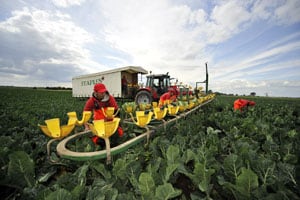
WRAP
The Waste & Resources Action Programme (WRAP), which was involved in delivering the Staples Vegetable project, said that the delivery of the Boston plant indicates growing confidence in AD among the commercial sector.
Marcus Gover, director of market development at WRAP, said: Were delighted this facility is now available in Lincolnshire and that the robust benefits of anaerobic digestion technology will be reaped not only by Staples Vegetables, but local authorities, communities and businesses across the UK as this technology becomes increasingly mainstream.
The design and technical expertise was provided by Danish based biogas specialist Xergi, which was also the main contractor for construction of the biogas project.
Staples was also assisted in developing the project by Lincoln based JHWalter, which provided technical, planning, funding and project management advice.

Register for free to comment