


Plans by the government to push councils to return to weekly waste collections are expected to relate to food waste only.
Over the weekend, national newspapers such as the Telegraph and Express claimed that councils will be offered a share of 100 million of funding to collect household waste once a week. The papers did not specify what kind of waste this would cover but said it would help to reverse unpopular decisions to move to fortnightly collections of residual waste.
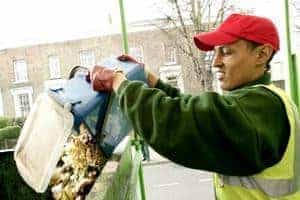
However, as reported by letsrecycle.com last month (see letsrecycle.com story), any encouragement is expected to be for weekly food waste rather than weekly residual waste collections.
Weekly waste collections have long been championed by Communities Secretary Eric Pickles, who pledged in 2008, when in opposition, to help councils re-introduce them. By encouraging food waste collection under the Waste Review, he could make good on this pledge while also helping to divert food waste from landfill.
Meanwhile, it is understood that the100 million figure does not relate to any firm commitment in the review itself. In fact, Defra is under pressure from the Treasury not to spend any money at all. The figure in the original story has been dismissed by some as spin.
A spokesman for Defra said that the department would not comment on speculation about the final detail of the waste review, which is expected to be published in mid June.
The spokesman said: It is important that the right polices are in place to help communities and businesses reduce waste and maximise recovery of materials through recycling. The review will be published shortly.
According to an LGA analysis of WRAP figures published last month, food and drink waste cost households 13.7 billion in 2010, taking into account the cost of buying food that was then waste and the cost to council tax payers of sending it to landfill. This was based on WRAP figures showing 5.07 million tonnes of avoidable food waste being sent to landfill.
WRAP today (May 31) told letsrecycle.com that its latest figures show 72 local authorities in England collect food waste separately, alongside 18 in Wales and four in Scotland.
A spokesman for WRAP said: You will have to ask Defra about the Waste Review its their review. WRAP’s view is clear – it’s up to each council to decide what waste and recycling scheme works best in their area. Every council is different. The key thing is that to work properly a waste collection schemes should be well run and offer residents a good service which is easy to use.
Green
While some in the sector said it was possible that Mr Pickles had managed to change the Waste Review plans at the last minute by securing money to fund weekly residual waste collections, it is thought unlikely that the government would do this as it would be at odds with its pledge to be the greenest government ever. This is because collecting residual waste less often has been shown to increase recycling.
Environmental groups such as Friends of the Earth have already been critical of any potential moves to return to weekly residual waste collections.
Friends of the Earth waste campaigner Julian Kirby said: Moving from fortnightly to weekly waste collection comes with a hefty price tag at a time when council budgets are being squeezed more than ever – with some estimates putting the cost as high as 530 million over the next four years.


Register for free to comment