

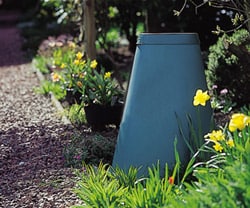
The largest study yet to be carried out on the use of food digesters in the UK looked at householders in West Sussex given subsidised “green cone” food waste digesters.
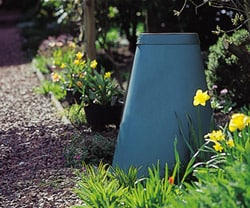 Councils are being advised to help householders install food waste digesters if running schemes |
The digesters are plastic containers semi-submerged in soil in the garden, which break down foods including meat and dairy products, but not green waste. The digesters are best used alongside a standard green waste home composting bin.
Of the 5,012 West Sussex households surveyed, just 50% were found to be using their food digesters.
Of the other householders surveyed, 26% had never even installed the digesters, 12.7% had stopped using them within six months, while the remaining 12.7% had given them away.
Sussex
Researchers, from the Waste and Energy Research Group at the University of Brighton, was employed to provide advice and support for the 16,000 households in West Sussex provided with green cone digesters since 2002.
West Sussex county council has run three major campaigns in the last four years promoting the use of food waste digesters. Most householders were given the digesters free of charge, with a small number purchasing the digesters for a discount rate of 20.
The Brighton team suggested that if all households in West Sussex were given digesters, and all of those households used those digesters, potentially up to 59,000 tonnes of material would be diverted from landfill each year.
The researchers said those householder that were using their food waste digesters used them regularly – with 93% of those who said they were using their digester using them at least once a week.
Installation
Commenting on the initial findings of the project, Robert Swabey, one of the researchers involved, said: “Once people have started using their green cone, they tend to go on with it.
”This research does reveal that householders are fantastically keen to use these digesters. “
– Green Cone Ltd
“With 25% of people not even installing their green cone, councils really need to set up an officer that specialises in green cones, or provide an installation service with the price of the green cone,” he said.
Mr Swabey was among the postgraduate researchers presenting their latest work at the annual “Tomorrow's World” event of the waste sector, Tackling Waste 2006, held at the University of Nottingham on Thursday and Friday.
He said problems cited by householders using food waste digesters had included concerns about the slow decay time involved, flies and vermin. Mr Swabey noted that the Green Cone company supplying the digesters have in some cases offered a metal mesh that would counter the vermin problem.
Green Cone Ltd has clarified that the product does not come with a mesh screen as standard as, “properly
installed, there is no need for any such accessory. It was provided as an additional precaution only for certain rat-infested islands”.
Mr Swabey said 88% of surveyed householders who said they were using green cones were satisfied with the product.
Green cone
Commenting on the findings of the research, a spokesman for London-based Green Cone Ltd said: “Normally councils sell green cones for a discounted rate, and those householders that buy them rather than get them for free do make use of them.
| Related links: |
“It is important that they are properly installed – they are not a conventional composter, they treat kitchen waste so it is important they are correctly installed and used to complement green waste composters.
“But this research does reveal that householders are fantastically keen to use these digesters,” the Green cone spokesman said.


Register for free to comment