

The United Resource Operators Consortium (Uroc) argues local authorities are “unlikely to have budgeted” for disposing of the thousands of tonnes of flood damaged materials sent to landfill over Christmas.
The trade body added the tax should be rebated “in light of it being an emergency event”. At present the standard rate of landfill tax is set at £82.60 per tonne.
Its appeal echoed similar sentiments from the Environmental Services Association (ESA) today, which said the government “should consider all reasonable means of supporting local authority areas which have been affected by the floods”.
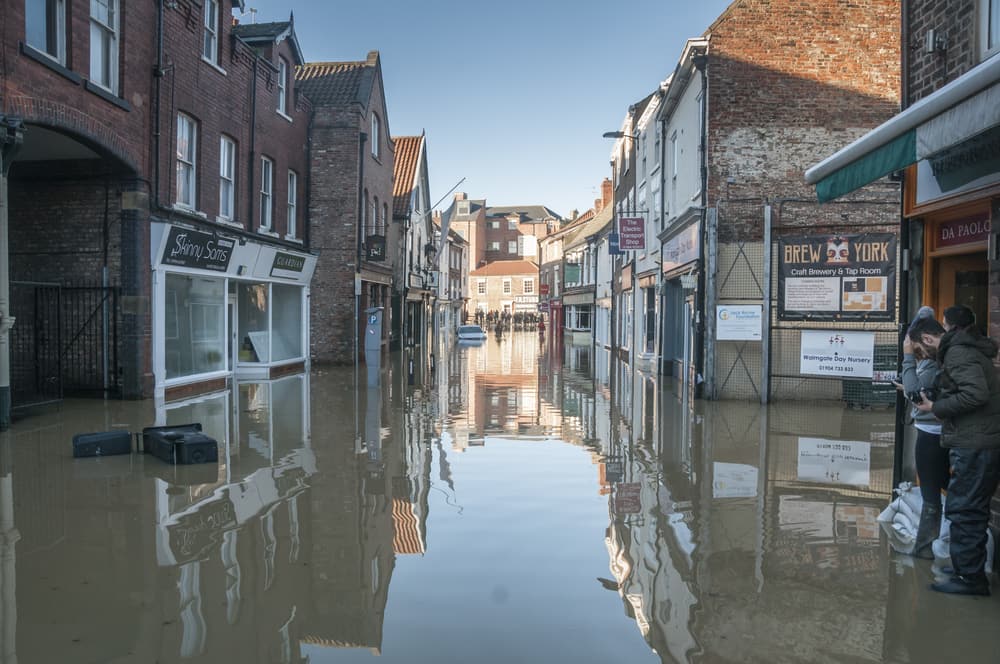
Around 16,000 households in England were flooded last month following one of the wettest Decembers on record – with areas such as Cumbria, Lancashire, West Yorkshire, Leeds and Greater Manchester among the worst hit.
Storms also ravaged parts of Scotland into the New Year with Penrith and Kinross, Dumfries and Galloway and Scottish Borders councils affected.
Typical items lost in the flood include bulky items such as white goods, WEEE, and furniture, as well as carpets. This waste, which is contaminated by floodwater, is classed as hazardous and therefore unsuitable for recycling.
- Update 08/01/16 [11:37]: The view that waste was classed as hazardous came from local authorities and skip companies involved in handling the waste from the floods. Today, the Environment Agency has pointed operators to the European Waste Catalogue to accurately classify whether materials affected by flooding should be deemed hazardous. The technical guidance can be found here.
The Environment Agency is trying to apply the waste hierarchy to the disposal of the waste arisings because of the floods and in particular is applying the hierarchy to white and other electrical goods.
When contacted by letsrecycle.com, York and Leeds city councils said they had not yet assessed the final cost of the disposal operation as their waste teams were still dealing with the aftermath of the flooding.
Carlisle
In Carlisle, Cumbria, an excess of 1,064 tonnes of waste had been disposed of up to 18 December, with the bulk collected using tractors and trailers and deposited at temporary tips at a car park and rugby club.
A further 92 tonnes of flood waste was collected from household waste recycling centres (HWRCs) in Bousteads and Brampton, while up to 350 skips have been provided by the council since the start of December.
In response, the council told letsrecycle.com it intends to claim back the disposal costs via the Bellwin scheme, which provides emergency financial assistance to councils in England to ‘safeguard life or property’.
Following extensive flooding to parts of the South West in 2014, the government announced it would be expanding the Bellwin scheme. The changes mean councils can now claim 100% of exceptional costs above a qualifying threshold, with assistance previously capped for each authority.
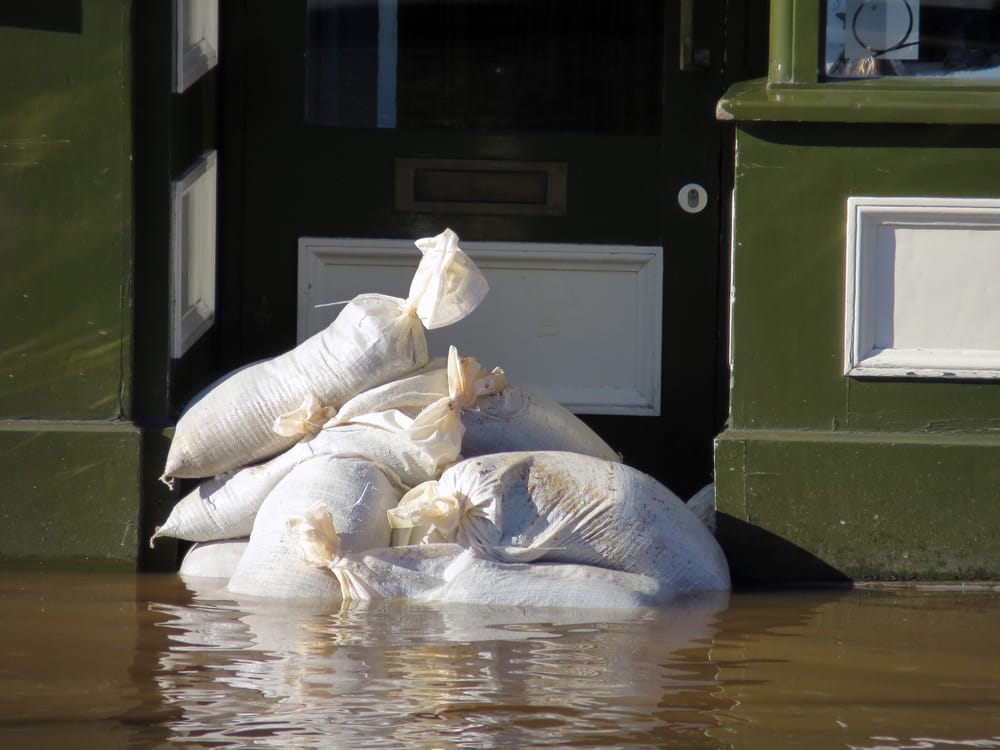
Sandbags
The question of disposal costs for flooding has long been on the political agenda, with MPs calling for action on the issue as far back as March 2014. This debate was sparked by Caroline Nokes, Conservative MP for Southampton North, who asked the then Economic Secretary Nicky Morgan whether the Treasury would waive landfill tax for the disposal of sandbags by local authorities.
Ms Morgan responded that the Treasury “had not undertaken a specific assessment” of councils’ landfill tax liability but argued providing an exemption would require new legislation which would “take time to introduce” as well as new administrative burdens for landfill operators.
However, she added that the government had established “a severe weather recovery scheme” to help councils repair highways and infrastructure – money from which she suggested could help with “some of the costs associated with disposal”.
A spokesperson for insurance company Aviva told letsrecycle.com that while insurers were expected to compensate householders for perishable items, most of the disposal costs remained with local authorities.
At the time of writing, the Department for Communities and Local Government was not able to comment whether the Bellwin scheme would cover the latest flood waste disposal costs incurred by local authorities.

Register for free to comment