

Energy Secretary Amber Rudd yesterday confirmed that she had accepted the advice of the Committee on Climate Change to endorse the Fifth Carbon Budget – which sets out tough new objectives for decarbonisation for a five-year period.
Under the Budget, the UK must reduce its carbon emissions 57% during 2027-2030 on 1990 levels – more than the 40% cut required under EU legislation.
The announcement has eased concerns for the future of carbon reduction in the UK following its referendum decision to leave the EU last week.
ADBA
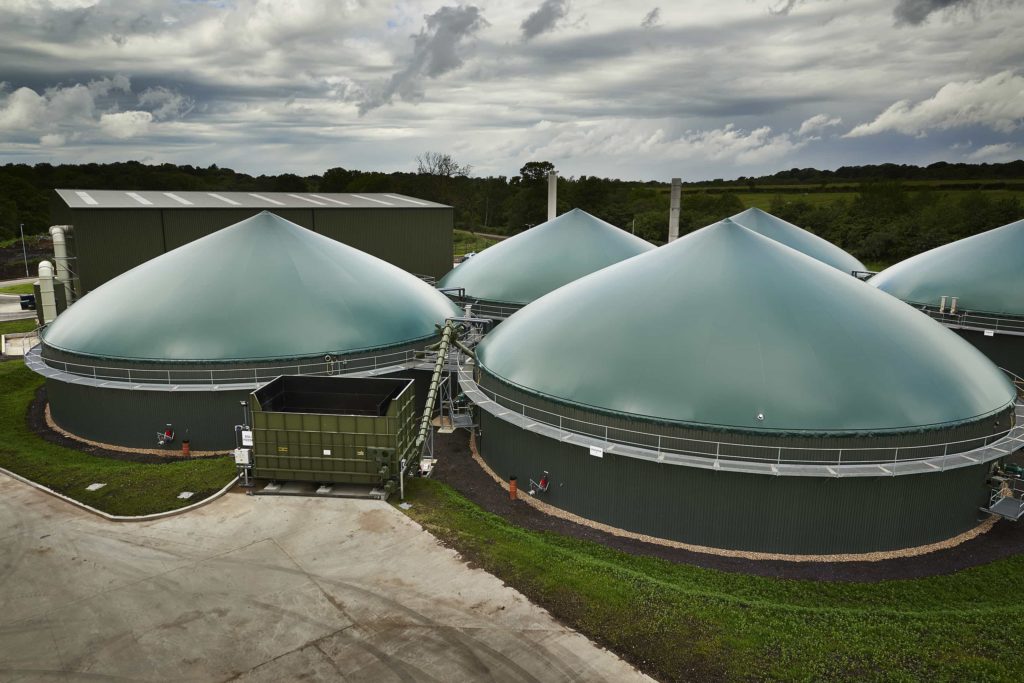
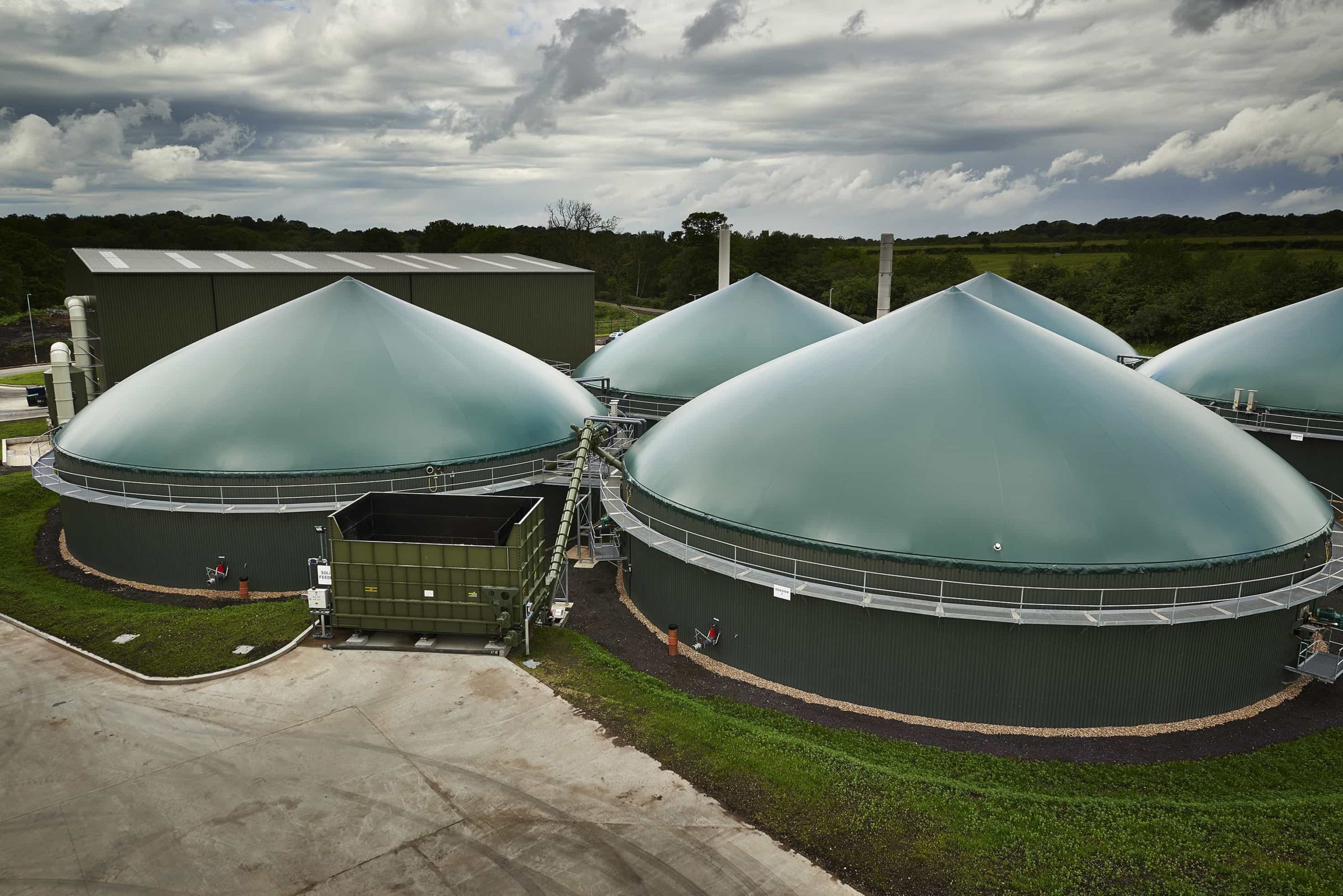
The Anaerobic Digestion & Bioresources Association (ADBA) welcomed the government’s decision – which will bolster the AD and renewables industry.
ADBA added that under the Committee on Climate Change’s advice, government could also be obliged to introduce consistent food waste collection services throughout England.
Charlotte Morton, chief executive of ADBA, added: “Anaerobic digestion (AD) has the potential to reduce the UK’s greenhouse gas emissions by 4% – that’s about £1.2 billion saved in carbon abatement costs – by decarbonising electricity and heat sectors, farming and transport.
“As well as contributing to the Fifth Carbon Budget emissions reductions by generating renewable energy or transport fuel, AD reduces emissions from rotting manure, landfilled food waste and expensive carbon-intensive manufactured fertiliser.
“The AD industry’s continued growth has been put at risk by changes to support mechanisms like the Feed-in Tariff, but the government can reassure the sector and deliver its goals by setting out a clear vision for both food waste collections and farm-based AD.”
REA
Also commenting on the decision, The Renewable Energy Association (REA) said that the decarbonisation target “would need to be backed by ore supportive policies that will unlock finance” where it is needed.
James Court, REA’s Head of Policy and External Affairs, added: “The fundamentals of energy have not changed post-referendum, we still need new generation that is cost effective, low carbon and secure.
“This would be the worst time for the government to row back or U-turn on existing commitments, which would be toxic to inward investors. bhuSo this is a positive first step, but will need to be backed up by a robust energy plan by the end of the year.
“The referendum has been a shock to economy, yet we still have a looming energy gap. Renewables will be easier to finance than larger centralised projects, will give the UK energy security and price stability, as well as boost new technology jobs and inward investment.”


Register for free to comment