


Exporting recyclables overseas is important for UK recycling and has helped to achieve a near quadrupling of recycling rates over the last decade, according to the Environmental Services Association (ESA).
The waste management trade association has today (September 10) published a briefing entitled Overseas options: the importance of exports to UK recycling, which looks at the role of exports.
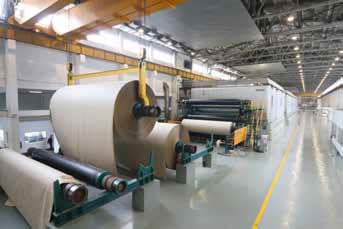
In the document, the ESA explains that recycling rates have climbed steeply in the UK over the last decade, with almost six million tonnes of dry recyclables collected from households in 2009. But, it says that export markets are important to ensure that this material is not sent to landfill or incinerated because there is not enough domestic reprocessing capacity in this country to recycle it particularly in the case of metals, paper and plastics. The ESA notes that while exports to the EU have remained relatively stable over this period, exports to China have increased more than tenfold.
The ESA claims that overseas reprocessors often pay higher prices for UK recyclate than their UK competitors despite suggestions from some that exports are merely a way of getting rid of poorer quality material at a knock-down price. This, the ESA argues, is a natural consequence of recyclables becoming a commodity and helps to keep waste and recycling costs down.
For this reason, the ESA says that restricting the export of UK recyclate, as suggested by some to help encourage UK reprocessors, would merely give them a monopoly access to material at a reduced rate, which would mean falling UK recycling rates.
The briefing adds: Surplus material for which there wasnt domestic reprocessing capacity may have to be landfilled or incinerated, and the incentive to find new ways to capture more material for recycling would be reduced. It would also almost certainly mean higher Council Taxes as Councils and their waste contractors would be selling material at lower prices.
Capacity
Commenting on the briefing, ESAs director of policy, Matthew Farrow, said: Householders, councils and waste management companies have worked hard in the last ten years to boost recycling – three times as much dry recyclable material is now collected each year compared to 2000. Exporting some of this material for reprocessing elsewhere has enabled the amount we recycle to grow well beyond the size of the UKs reprocessing sector, which does not have the capacity today to take all the material collected.
ESAs members want to see a thriving UK reprocessing sector and several are investing in their own UK reprocessing facilities. We support measures to help compensate energy-intensive reprocessors for their high energy costs, as these firms can save more carbon through reprocessing than they emit. At the same time, we must recognise that exports of sorted recyclate to overseas reprocessors, often paying high prices and working to high quality specifications, will have a role to play in further raising our recycling rates for some time to come.
However, the ESA stressed that illegal exports of raw or unsorted waste needed to be stamped out.
Related Links
Mr Farrow said: One of the reasons we have developed the MRF Code of Practice is to help the authorities target this sort of illegal activity.
The briefing note from the ESA comes as the government puts renewed emphasis on the importance of quality recycling in the face of an ongoing Judicial Review over commingled collection. A consultation on a code of practice for materials recycling facilities, drafted by the ESA to help ensure the quality of materials from MRFs, is expected later this month.



Register for free to comment