

The council’s recycling rate currently sits at around 34%, against an average of more than 50% amongst other Devon local authorities.
The current target by the council is to increase the rate by 1% on an annual basis and push towards the 50% target rate which the UK is required to meet under the EU Waste Framework Directive.
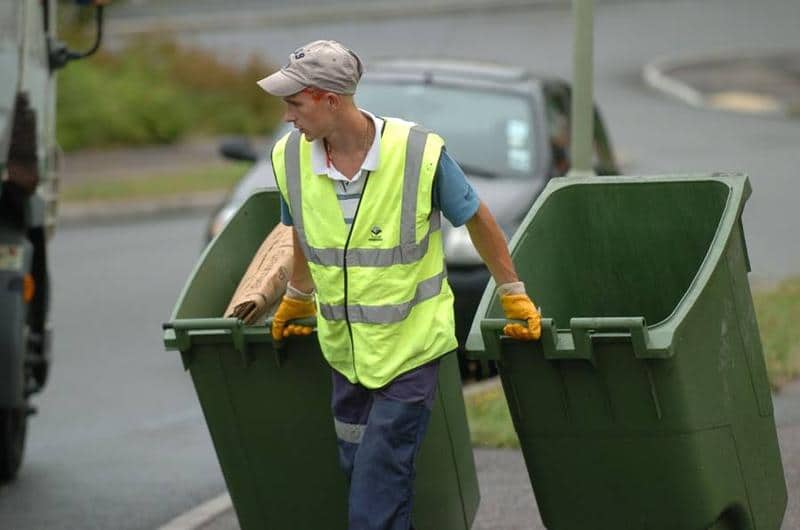
The council currently operates alternate-weekly collections of refuse and recyclables including card, newspapers, mixed plastics, aerosol cans and foil from wheeled bins. Glass, paper, cartons, small WEEE and textiles can be deposited at bring bank sites.
Put to the council’s community scrutiny committee this month, the aims of the Recycling Action Plan 2016/17 address certain known barriers to recycling – which include householder behaviour and attitude to recycling issues.
Jennifer Laver, senior recycling officer at Exeter city council told letsrecycle.com that the new strategy places an emphasis on public communications and engagement in improving recycling rates.
Ms Laver said: “The general recycling behaviour of citizens is very good – we are looking at the potential to motivate people more to improve on what is already quite good – with a focus on positive recycling behaviour.
“We know there is a really good attitude culturally. People are willing to recycle but they are not quite getting the message to recycle.”
Recycling improvements
Reasons suggested for Exeter’s relatively low recycling rate include the lack of separate food waste collections – which it is claimed has suppressed the city’s recycling rate by around 8% – a lack of garden waste available for collection, due to the urban housing stock within the borough, as well as a need to introduce ‘on-the-go’ recycling.
To overcome this, the council is seeking to improve engagement with residents on social media, using vehicle livery to communicate recycling messages, as well as promoting a ‘Three R’s’ campaign via schools.
The council is also one of three Devon authorities which could be included in a 10-year waste treatment contract for food waste, which could see separate collections of the material introduced in some areas (see letsrecycle.com story).
Food waste
However, progress on the introduction of a separate collection in Exeter has largely been held up by the potential cost of the service, with discussions with Devon council ongoing to share the savings made by diverting the material from landfill.
And, commenting on the issue of on-street recycling, Ms Laver added: “It is something that we are quite committed to, people expect to recycle on-the-go.”
Despite the relatively poor performance on recycling, Exeter does note in its strategy that it is among the 20 authorities in England producing the lowest amount of waste per head in 2014/15, with around 304kg per person.
An update to the Council’s Recycling Plan 2011-2016 is due to be presented to the Community Scrutiny Committee on 7 June 2016.

Register for free to comment