

In a survey carried out by letsrecycle.com this month, Rochford, which was the 34th highest performing council in the audited Defra figures for 2008/09 with 49.35% (see letsrecycle.com story), claimed an increase of 16% in recycling and composting rates in 2009/10.
In terms of collection methods, seven of the top 10 authorities, according to letsrecycle.com research, collected recyclables using a commingled service.
These provisional figures have to be verified by the government's waste database WasteDataFlow, the Environment Agency and Defra before being officially published. The official publication of councils' fourth quarter returns for 2009/10 is expected in November 2010 along with the announcement of England's overall household recycling rate for the last financial year.
Councils

Staffordshire Moorlands district council, the best performing council from 2008/09, looks likely to slip to third despite recording a slight rise in its recycling and composting rate from 61.55% last year to an anticipated 61.84% rate for 2009/10.
Other councils expected to have performed well over the course of 2009/10 are Cotswold district council, which also saw a very slight increase in its recycling rate from 60.83% in 2008/09 to 61% in 2009/10.
And, an increase was also seen by Stratford-on-Avon district council, which said it had recorded a 58.6% recycling and composting rate for the year, up from 47.02% for 2008/09.
Rochford
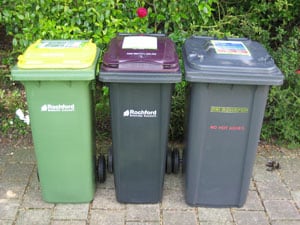
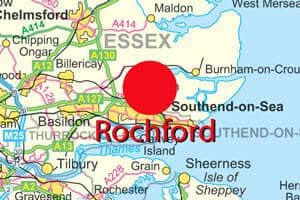
Rochford attributes the rise over the past two years – having recorded a 19% recycling and composting rate in 2007/08 – to the uptake of the three-bin waste and recycling system with alternate weekly residual waste collections that was introduced by its waste and recycling collection contractor SITA UK in July 2008.
“We were previously collecting glass, cans and newspapers and then we included cardboard and plastics and food waste, as well as garden waste. We introduced a three-bin system and changed collection frequency and we really, really promoted it.”
The spokeswoman added that the council was now looking to further improve the service by introducing textile collections at the kerbside as well as expanding its collections to encompass more flats in the region.
“I think flats, while I am not sure exactly, will receive the same basic collections as households but without the food waste – although we are working to develop communal composting,” she said.
South Oxfordshire

The district council claims that its provisional 64.2% recycling and composting rate for the financial year has come as a result of it signing a £50 million contract with waste management and services firm Verdant Group in January 2009 (see letsrecycle.com story).
A spokeswoman for South Oxfordshire said: “If you take the financial year, then we achieved a 64.2% recycling rate but if you count the 12-month period since we have been working with Verdant we are around 70%.
“It was a significant massive change for us, for example we converted to offering residents food waste recycling and they now have weekly food waste collections.”
South Oxfordshire operates a commingled recyclable collection using a 240 litre bin for paper and card, glass bottles and jars, plastic bottles and a range of mixed plastics, food and drinks cans, aerosols and foil.
One of the most marked increases by a local authority was reported by Rugby borough council, which claimed an increase of around 18% from 32.18% in 2008/09 to around 51% for 2009/10. This rise could potentially move the West Midlands council into the top 30 councils, having been 215th in the previous financial year.
Decline
We have seen a slight drop, mainly on paper collected at the kerbside, and we put that down to the recession
Spokeswoman, Harborough district council
The changes to names at the top of the council league tables can be attributed to both to the improved rates recorded by councils with lower performance levels in previous years and also to the slowing or decline of recycling and composting rates among some leading local authorities.
For example, while Staffordshire Moorlands and Cotswold district councils managed to slightly improve on their respective performances in 2008/09, councils in last year's top 10 such as East Lindsey, Teignbridge, Huntingdonshire and North Kesteven district councils all reported falls in their recycling and composting rates.
East Lindsey, which was the best performing council in England in 2007/08, said its rate had fallen by over 3% according to its provisional figures – from 59.37% to around 56%. According to preliminary calculations this would see the Lincolnshire council fall from 3rd in the rankings to around 8th.
David Roberts, quality and performance monitoring officer at East Lindsey district council, told letsrecycle.com that the local authority had chosen to cut back on its green waste collections over the winter months and this could be seen as a factor behind the fall in its overall recycling and composting rate.
He said: “It was a cost issue and what we did was look at the actual collections that we did over the winter months. We accepted that we would stop for the winter months and we accepted that we would come down to around 55%.”
In October 2009, East Lindsey had warned that there was a potential for some councils to no longer consider recycling a priority as they looked to save money on services (see letsrecycle.com story).
Leaves and paper
Elsewhere, Teignbridge district council in Devon said it had taken the decision to cut the amount of leaf sweeping collections in order to save money. And, the council claimed this had led to a fall in the amount of material it was composting, which in turn led to a 1.2% fall in its household recycling and composting rate from 57.4% in 2008/09 to 56.2% in 2009/10.
Harborough district council, which posted a provisional rate of around 53.5%% for 2009/10 compared to its 54.92% in 2008/09, directly attributed the fall in its recycling rate to the adverse impact on the quantity of material available for collection caused by the economic situation.
A spokeswoman said: “We have seen a slight drop, mainly on paper collected at the kerbside, and we put that down to the recession, as the paper industry said that they are seeing less paper and a lot of companies are not doing as many adverts as before.”



Register for free to comment