

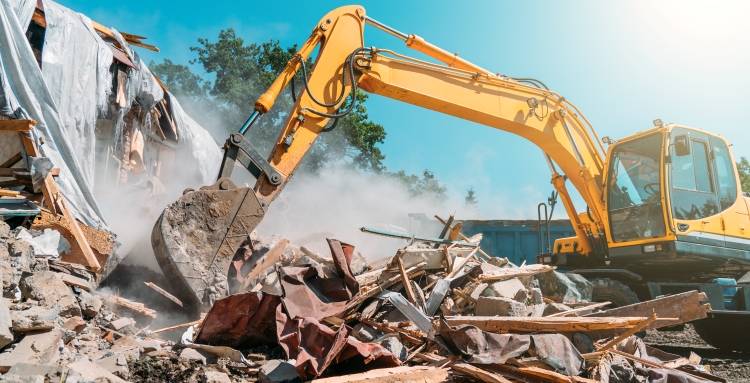
The EA is looking for a buyer to carry out the project between 1 September 2023 to 31 August 2025 by undertaking phases of sampling and analysis. The contract also states that findings should be presented in a report.
The contract is being valued at £450,000 and potential buyers can bid until 7 August 2023.
Programme
The Agency told letsrecycle.com that the tender forms part of a wider programme of work identifying waste streams containing POPs, informed by risk assessment, done in partnerships between the EA, Defra, other regulators and industry representatives.
It added that this work has been active for several years and has already looked at waste electrical and electronic waste, end of life vehicles and domestic seating, among others.
If POPs are found to be in construction and demolition waste, this could have a huge impact on disposal costs for commercial companies if any of their waste is landfilled.
POPs
The Agency is examining a range of material streams to assess whether they contain POPs, with fears that textiles and carpets could also be branded as POPs waste (see letsrecycle.com story).
These fears arose from a Defra consultation ran between 2 March and 27 April 2023 and came on the back of recent additions to the UN’s Stockholm Convention on POPs which the UK, as party to the Convention, must implement at a national level.
In the consultation, Defra asked about amending its regulations to add or update various POPs limits and adding new chemicals. This includes Perfluorohexane sulfonate , often used in stain-resistant fabrics and Perfluorooctanic acid, used in textiles and non-stick kitchen items.
A previous EA investigation also found large levels of POPs in seating textiles and foams which led to the legislation which manded that waste upholstered domestic seating must be sent for incineration rather than landfill and cannot be mixed with non-POPs waste (see letsrecycle.com story).
The correct treatment of waste upholstered domestic seating such as sofas, armchairs and beanbags includes segregating the material, describing, and classifying it correctly and sending it for destruction in a municipal or hazardous waste incinerator or cement kiln.

Register for free to comment