

And, landfilling is not the only waste disposal option available to authorities disposing of the material during clear-up operations.
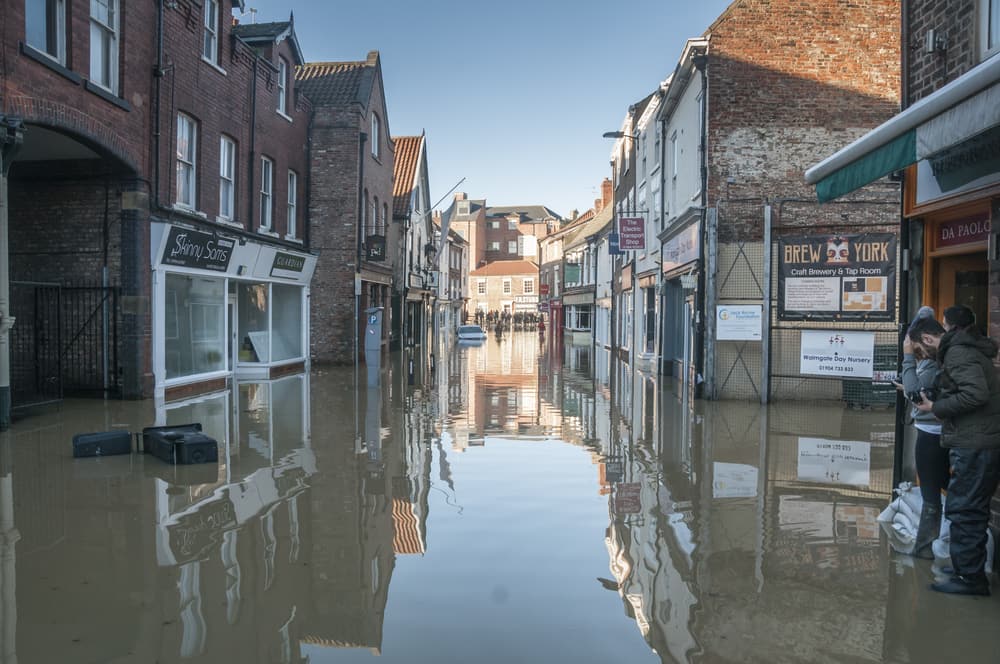
The clarification follows some questions from waste operators and local authorities as to where flood damaged materials sit within the waste hierarchy – after extensive flooding devastated parts of Northern England and Scotland in recent weeks.
Some waste businesses had considered that all flood-damaged household items should be landfilled, as the materials were considered ‘hazardous’ due to contamination by floodwater and so were unsuitable for recycling.
The Local Authority Recycling Advisory Committee (LARAC) noted that flood waste disposal should be considered a ‘public health issue’.
Classification
The Environment Agency, which has also pointed councils to the European Waste Catalogue to help with classification of flooded waste items, has today provided additional information.
An Agency spokeswoman said: “Household items which need to be removed after flooding can in many cases be treated in the usual way for this type of waste. While items such as carpets and furniture may be damaged or contaminated and unsuitable for re-use, they are unlikely to be classed as hazardous after flooding unless they have come into contact with a significant amount of oil or other hazardous materials.
“Landfill is not the only option for waste disposal as recycling would still be possible in many cases.”
The Environment Agency added that local councils are responsible for collection and disposal of domestic waste.
Separately, DCLG has already confirmed authorities will be able to claim compensation on flood-related expenditure (see letsrecycle.com story).
Health
The Agency has also pointed councils towards flood recovery guidance issued by Public Health England, which remains relevant.
The guidance suggests that all flood-damaged food waste should be placed in ‘plastic refuse sacks’ for collection and ‘double bagged if possible’.
And, the guidance also advises householders to take care of household chemicals and oil which may also have contaminated floodwater. Sandbags “tend to retain contaminants such as sewage and oils when they come into contact with floodwater” and should not be placed alongside household waste, it adds.

Register for free to comment