

Research from the Waste and Resources Action Programme (WRAP) said the total economic cost from food waste will be £3 billion a year in 2016.
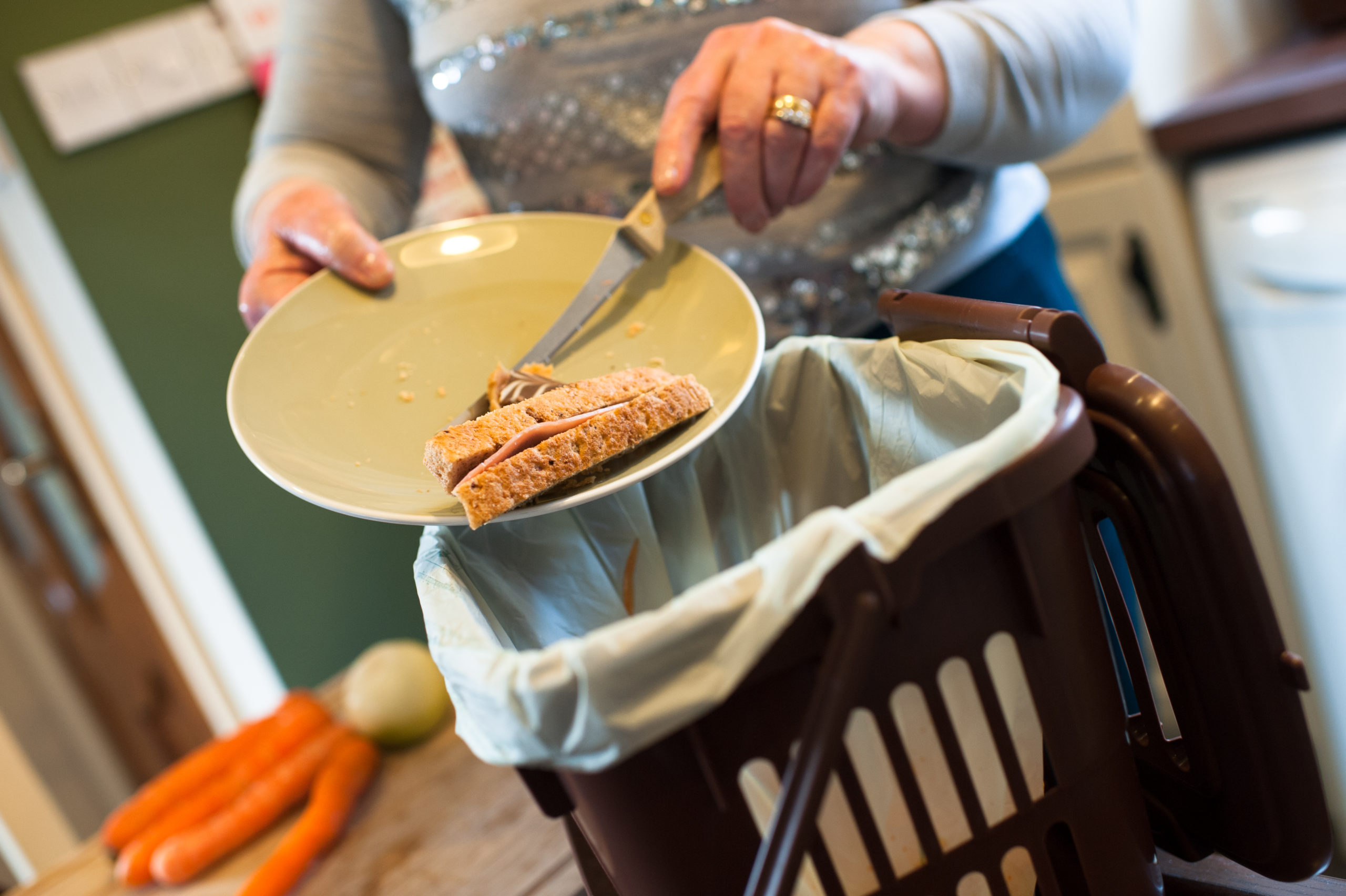
The committee will look into the economic, environmental and social impact of food waste, with EFRA to examine the effectiveness of voluntary schemes, what proposals could be effective in reducing food waste and, how comparative approaches from developed nations and European countries could be used to tackle the issue.
The EFRA committee is chaired by Neil Parish MP, with other MPs sitting on the committee to include Chris Davies, Jim Fitzpatrick, Simon Hart, Paul Monaghan, Rebecca Pow, Margaret Ritchie, David Simpson, Angela Smith, Rishi Sunak and Valerie Vaz.
Mr Parish said: “Despite the progress made reducing food waste along the supply chain, the amount of reusable, recyclable food that we throw away in the UK is still staggeringly high. Of the estimated 7 million tonnes we discard from our homes each year, nearly half is edible.
“Not only does this have an impact on the family purse, but the environmental cost is equally heavy. We will be asking what more can be done to reduce food waste and this needless expense to our households.”
Food security
Previously the EFRA committee has looked into food security: demand, consumption and waste, which was launched back in October 2014.
In January of last year the committee reported that the government and retailers must do more to help consumers choose healthy food from sustainable sources, and waste less.
In 2013 MPs called for more action to curb food waste in the UK including the introduction of binding food waste reduction targets for businesses and a national consumer campaign to reduce domestic food waste.
However, the recommendations from the International Development Select Committee made no mention of work already being done in this area by WRAP.
REA
The Renewable Energy Association (REA), which leads a campaign for UK-wide mandatory separate food waste collections, has welcomed the parliamentary committee’s investigation.
Jeremy Jacobs, technical director of the REA, added: “The announcement of this food waste inquiry is another step forwards in the movement for UK-wide separate food waste collections. While the Committee should recognize that the waste hierarchy is followed wherever possible, separate collections can help support the growth of the green gas industry, improve recycling rates, and reduce potent greenhouse gas emissions from landfill.
“The REA are working with stakeholders including retailers, energy companies, not-for-profits, and local authorities, to put forward a compelling and cost effective case for separate collections.”

Register for free to comment