


The ‘Guidance for dust and particulate abatement techniques at Waste Management Facilities’, issued this month, focuses on waste transfer sites but the Agency said many of the techniques could be applied to other types of waste facilities. It will be used by officers carrying out investigations into dust and particulate emission pollution.
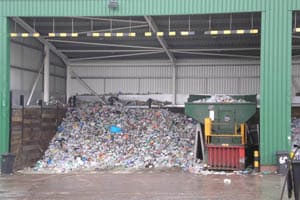
Dust and particulates are primarily generated by mechanical grabbers and mobile plant which sort and load waste and can also be produced by sites that shred waste or fragmentise metals.
Heavy duty vehicles carrying waste to and from sites may also generate fugitive dust and particulate emissions, which can be entrained onto the local road network.
The Agency said that the inhalation of dust and particulates has a number of associated potential health risks. For example inhaling wood dust can cause asthma.
In a bid to prevent the migration of dust from site boundaries and reduce health risks, the Agency outlines a range of measures in the guidance which can be undertaken by waste sites. These include: consideration and limitation on vehicle movements, dust extraction and misting.
Nuisance
According to the guidance, it is important for operators of waste facilities to minimise the amount of dust and particulates omitted from and at sites if they are to avoid legal claims over nuisance. Under the Environmental Protection Act 1990 one type of statutory nuisance is described as any dust, steam, smell or other effluvia arising on industrial, trade or business premises and being prejudicial to health or a nuisance.
If local authorities believe that statutory nuisance exists it can serve an abatement notice. Failure to comply with the notice is an offence. However the Agency said that is a defence if an operator employs the best practicable means to prevent or to counteract the effects of the nuisance.
Measures
Some ways dust and particulate prevention and remediation measures both low and high cost – can be applied at waste sites listed in the guidance include:
- Dust extraction systems including electrostatic precipitators, wet scrubbers, bag houses, viscous media and filters;
- A speed limit and no idling policy as well as minimising vehicle movements on site which should help to reduce emissions;
- Ceasing operations during high winds and prevailing wind direction as dust and particulate mobilisation is likely to be greater during these periods;
- Water suppression with mist sprays at sites, particularly at entrances and exits; and,
- Installing dust and particulate monitors with trigger alarm which is activated when short term particulate concentrations are elevated.
Related Links
Operators which hold a permit under the Environmental Permitting Regulations 2010 are required to have an appropriate environment management system (EMS) in place. In the case of dust and particulate management, the Agency said it would expect to see methods the operator proposes to use to be clearly identified in the site management system and implemented in order to comply with their permit.

Register for free to comment