

And, also from April 2016, the group of seven councils is expected to transfer residual waste from Bridport to New Earth’s Avonmouth MBT plant – subject to a successful trial period.
The arrangements, which have yet to be formally announced, were resolved by the Partnership prior to its meeting yesterday (29 February) and are expected to be signed in the coming weeks.
Residual
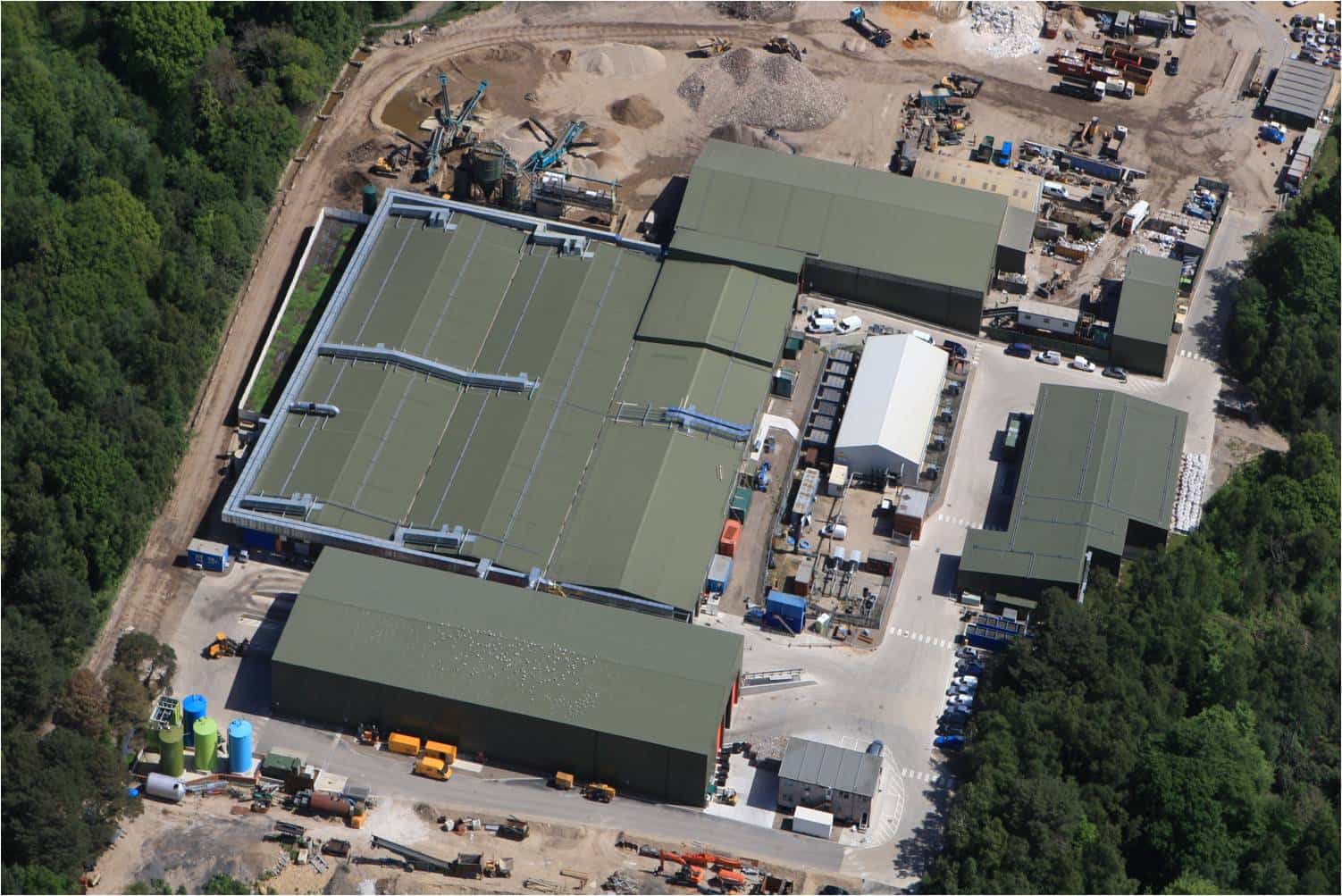
Dorset has operated two residual waste treatment contracts since September 2011, with one delivering 20,000 tonnes of feedstock to New Earth’s Canford MBT facility near Poole. The other contract sees 10,000 tonnes sent for incineration at Veolia’s Marchwood energy from waste plant in Hampshire.
These contracts were initially signed for a period of six years, with an option to extend for a further four years up to 2021. In 2013, Dorset opted to extend its contract with NES in partnership with Bournemouth to reduce the gate fee and share in the sale of recyclables – with guaranteed minimum tonnage rising to 25,000 tonnes.
With three out of four landfill sites used by the Partnership closing this year, Dorset is facing a disposal route shortfall of 39,000 tonnes per year from August 2016 – and 49,000 tonnes from 2017. Committee members have therefore decided to increase guaranteed tonnage at Canford to 40,000 tonnes per year and extend the contract with Veolia.
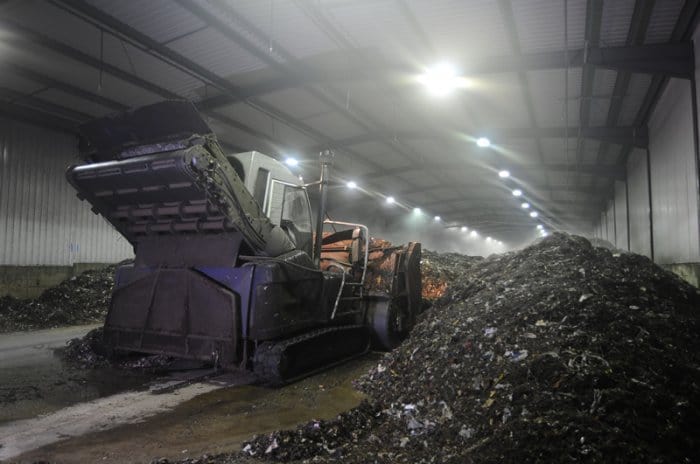
Residual waste processed at New Earth’s network of MBTs is used in part to fuel the Avonmouth gasification plant near Bristol, which was sold by New Earth as part of its energy division last year due to ‘poor financial performance and further capital expenditure’. New Earth also exports material as RDF from the waste contracts. This was the case last year ahead of the sale of the Avonmouth energy recovery facility.
Energy
Explaining the rationale for the sale, in October last year, Michael Richardson, director of the Premier New Earth Fund, noted that there had been a cut in subsidies and support for renewables by the new Conservative government and that with New Earth just having the one power plant at Avonmouth, economies of scale or expertise were unlikely to be achieved.
But, because of the poor financial performance of the power plant and the investment needed, in a letter to shareholders, Mr Richardson explained that it was sold to a new joint venture company owned by Macquarie Bank and an institutional investor. Overall the episode cost New Earth £60 million.
The Avonmouth gasification plant is now operated by a new company, Avonmouth Bio Power Ltd, with former Eco Plastics chief financial officer Jeff Holder (see letsrecycle.com story) in post as interim chief executive.
Restructuring
New Earth itself, now operating solely as a waste business with five active sites, has also undergone a period of internal restructuring.
At the end of 2015 directors Jonathan Fogg, Christopher Cox and David Whitaker resigned from the company – with Gerben Nijland appointed as interim chief executive. Mr Nijland was previously sales director with Stadler America and has also worked for Lubo Systems and Dutch firm van Gansewinkel Environmental.
When contacted by letsrecycle.com, Richard Brooke, commercial director at New Earth, declined to comment on the likely new contracts with Dorset, stating the arrangements had not yet been finalised.
He added that following the sale of the energy business, New Earth was still supplying its former Avonmouth plant and still pursuing local authority contracts.
Dorset Waste Partnership
• Figures published ahead of the Dorset Waste Partnership meeting reveal the Partnership looks set to end 2015/16 with a reduced overspend of £356,000, down from a potential £900,000 overspend which officers had feared the councils could face (see letsrecycle.com story). The overspend in 2014/14 was £2.8 million.
Factors that continue to cause issues for the Partnership include the cost of vehicle hire, now at £240,000 per year, extra disposal costs per tonne of recyclate material amounting to £199,000, redundancy costs of £113,000 and a garden waste service income shortfall of £192,000.
While these and other adverse variances amount of around £1.5 million, some of this has been offset by fuel price, contract inflation, vehicle lease costs and capital programme slippage.

This is surely not the way to go. No treatment process needs a Gate Fee (Treatment Fee) these days and to suggest otherwise is pure stupidity. Likewise there is no need for any massive Energy Subsidy as is being meted out here.
There are four to five proposals in the UK which can treat the Municipal Solid Waste (after recycling) for a £zero treatment fee and these can make a huge profit because the right product is being made. So take it from here as follows, the Galashiels project – the disasterous project using New Earth Systems has been abandoned because at 60,000 tonnes per year it needs a treatment fee and cannot make the desired output of electricity. This is the repeated stupidity of the project in Ayrshire which is to do the same and treat over 85,000 tonnes of waste in the Killoch plant
Dorset and Galashiels should be aware that there are opportunities around to deal with waste and make biofuels/energy that are capable of being built and worked within the current technology profiles and which can produce huge savings for them. An example, 100,000 tonnes per year of biomass from waste will generate an income measured as EBIT of almost £3.5 million per month, or one at 240,000 tonnes per year would produce £8 million per month and in both cases the developer will pay off its building debt in less than 5 years for the first and under 4 years for the second.